TL;DR
Erotic furniture can mean a few different things. Most often, it refers to sex furniture made for positioning, support, comfort, and easier cleanup. It can also mean discreet furniture that blends into a home, accessibility-focused pieces that reduce strain or support mobility needs, BDSM furniture built for restraint or heavier use, or sculptural pieces that look sensual but are mainly decorative.
If you plan to use it during sex, focus on stability, body support, weight limits, measurements, and cleanable materials. Start small with a pillow, wedge, or ramp if you are new to it, and only move up to larger chairs, lounges, or sofas if they fit your space, budget, and real needs.
Erotic furniture can be confusing at first. A quick search brings up a mix of products, styles, and labels, and it’s not always clear what’s actually useful versus what just looks interesting. If you’re new to the idea—or just curious and browsing for fun—this guide is meant to give you the basics without overcomplicating things.
You don’t need experience or a specific goal to start reading. We’ll focus on fundamentals: what erotic furniture usually means, the types you’ll see online, how materials and design affect real use, and what to pay attention to before buying. Whether you’re just exploring or thinking about your first purchase, the goal is to help you understand what you’re looking at before you spend time or money on it.
Expanded Definitions of Erotic Furniture
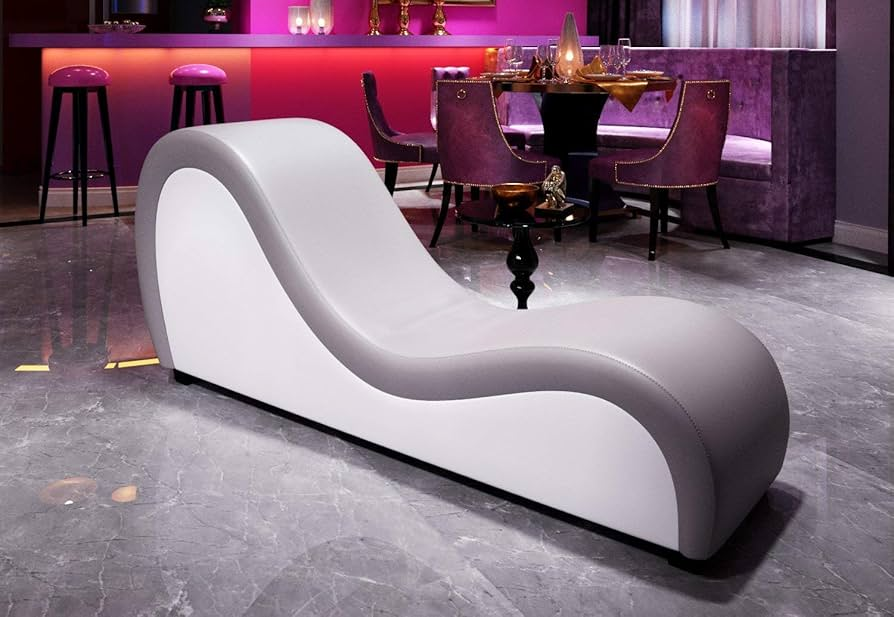
Most online searches for erotic furniture take you straight to sex furniture and BDSM gear. That’s how the term gets used on shopping sites and in reviews. In that world, it usually means a piece that’s made to be used during sex on purpose, not just a regular chair that happens to work. It’s built to stay stable, hold up under movement, and be easy to clean. A common example is a purpose-made lounge or bench.
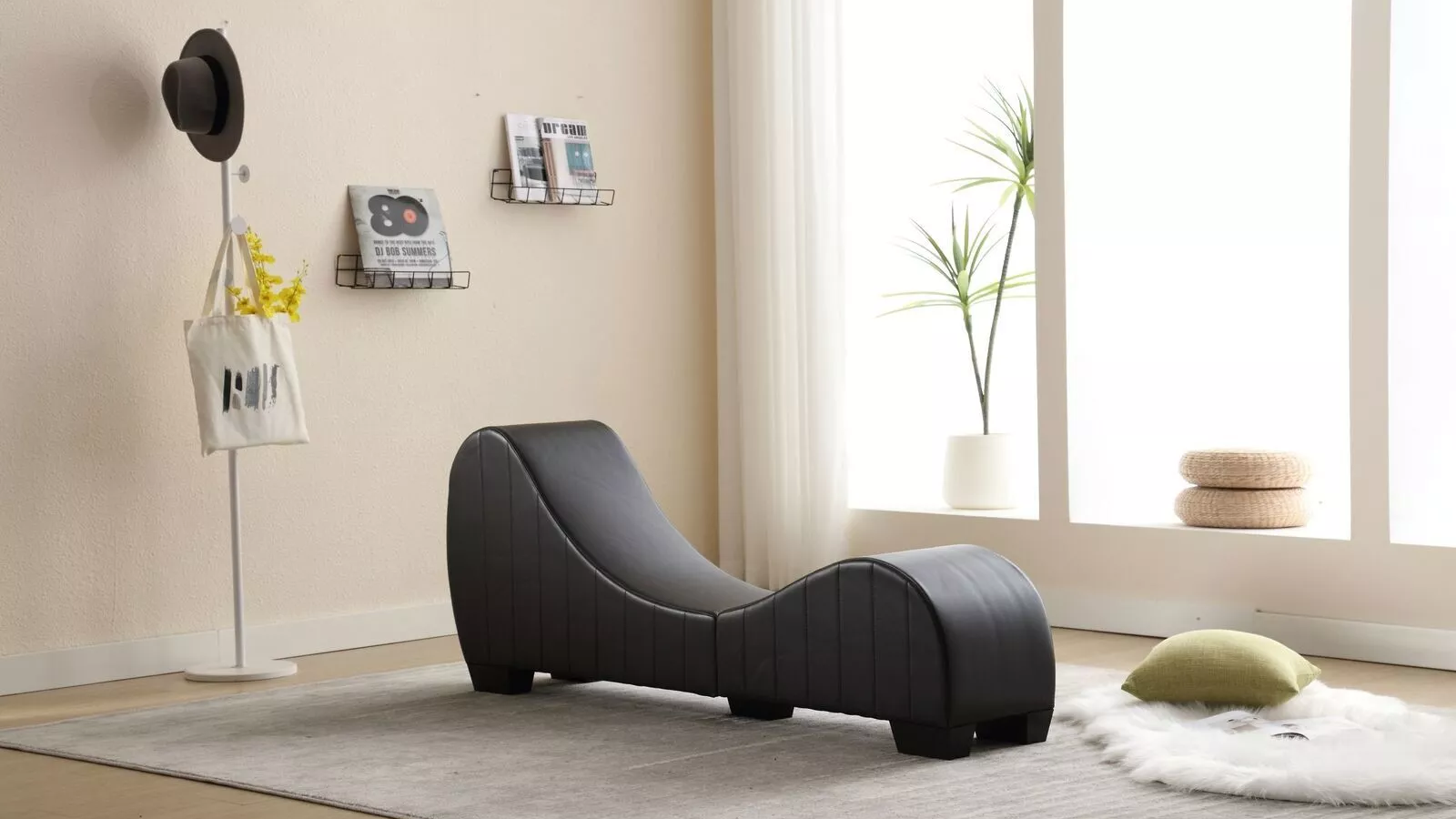
But, it doesn’t always mean obvious sex gear. Sometimes it means furniture that looks normal and fits into a home. Think a specially chosen (or crafted) bench at the foot of the bed, a solid ottoman, or a modern lounge chair with hidden surprises. It looks like regular décor, but it’s chosen because it works well for intimacy.
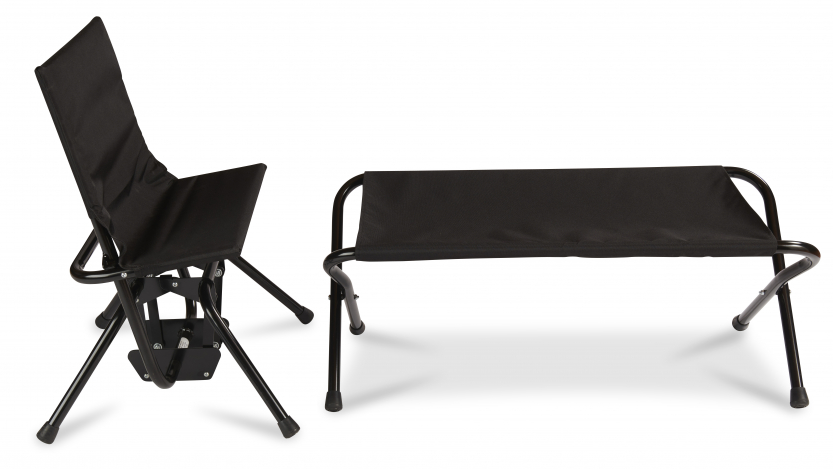
You’ll also see more pieces that are made for accessible sex. This is still “erotic furniture,” but the goal is comfort. People look for it when they deal with pain, limited mobility, fatigue, or just want less strain on joints. They’re usually simple and practical: steady, supportive, and shaped to help with positioning – like a wedge or ramp set.
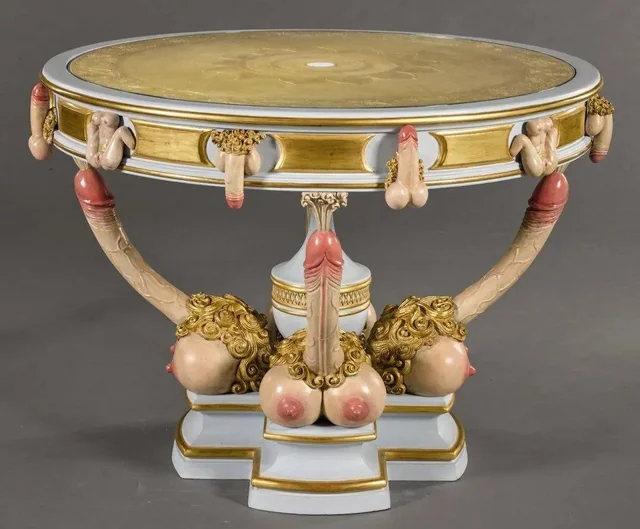
And sometimes people use the term in a totally different way, the art side of it: sculptural shapes, bold curves, body-inspired design, and pieces that give a sensual vibe. It could be anything from subtle curves that merely suggest to a table that looks like it’s made of genitals but has no actual sexual use.
Common Categories of Sex Furniture
Keep in mind, this list is the stuff people use for fun times – not the art versions that are pretty (or odd) to look at.
| Category | What It Is | Best For | Storage Level |
|---|---|---|---|
| Mats and Pads | Flat padded surfaces used on the floor, bed, or other stable areas. | Extra comfort, grip, and easier cleanup without changing positioning much. | Easy |
| Cushions and Sex Pillows | Firm pillows made to prop, lift, or support the body. | Beginners, small spaces, light positioning support, and discreet storage. | Easy |
| Wedges and Ramps | Angled foam supports that raise or support parts of the body. Wedges are usually shorter; ramps are usually longer. | Changing angles, reducing strain, and adding firmer support than regular pillows. | Easy to medium |
| Bolsters and Rolls | Long rounded supports placed under the hips, knees, back, or shoulders. | Joint support, pressure relief, and smaller positioning adjustments. | Easy |
| Inflatable Supports | Air-filled wedges, ramps, or cushions. | Travel, occasional use, and people who need something lightweight or temporary. | Easy |
| Lounges and Tantra Chairs | Curved chair or chaise-style pieces made for body support and positioning. | People who want a permanent furniture piece with more structure and support. | Hard |
| Benches | Sturdy pieces used for sitting, leaning, bracing, or lying across. | More stable positioning, bracing, and furniture that can handle movement. | Medium to hard |
| Stools and Chairs | Compact seating-style furniture used for close-range positioning. | Smaller rooms, seated positions, and people who want furniture that takes up less space than a lounge. | Medium |
| Sofas and Modular Sex Couches | Larger structured pieces with angled sections or modular shapes. | Dedicated spaces, full-body support, and people who want furniture that feels more like a sofa. | Hard |
| Saddles | Straddle-style seats, sometimes furniture-only and sometimes built with mounts or motion features. | Focused seated or straddling positions and more specialized use. | Medium |
| Swings and Slings | Hanging or supported gear that holds part or all of the body’s weight. | Taking strain off the body, changing positions, and support that does not rely on floor furniture. | Medium to hard |
| Gliders and Rockers | Furniture made for controlled back-and-forth movement. | People who want motion support built into the furniture. | Medium to hard |
| Restraint Furniture and Stations | Larger BDSM-focused pieces with frames, anchor points, or built-in restraint options. | Kink use, restraint play, and heavier-duty support where safety and hardware matter. | Hard |
Sex Furniture Materials: Decorative Use vs. Functional
Quick note before getting into specifics: if something is made for sex, it should already use materials that are easy to clean and won’t soak up fluids. If it’s more on the decorative or “looks sexy” side, materials matter far less. If someone wants a regular piece converted, they often add a silicone sheet, throw, or cover before using it. That doesn’t make the furniture bad—it just means you need to plan for cleanup and protection.
Materials used in sexy or decorative furniture
Upholstery fabrics
This includes things like linen, velvet, microfiber, and blended fabrics. They look good and feel nice, but they absorb moisture and stains easily. They’re meant for sitting, not for heavy movement or mess.
Standard furniture foams
Most everyday furniture uses softer foams that compress over time. They’re comfy for lounging, but they don’t always bounce back well under pressure or repeated use.
What these materials are not designed for
They’re not made for easy cleaning, repeated friction, or body weight shifting in one spot. If you’re using decorative furniture for sex, adding a protective layer isn’t optional—it’s just part of using it safely and sanely.
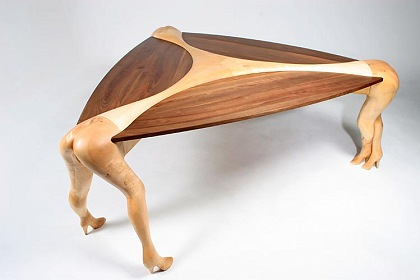
Wood and veneer finishes
Decorative furniture often uses veneers or lighter wood finishes. These are great for looks, but they can scratch, dent, or absorb moisture if used beyond normal sitting.
Materials used in functional erotic or BDSM furniture
High-density and medical-grade foams
These foams are firmer and hold their shape. They’re used because they support weight without collapsing and are often paired with covers that can be wiped clean.
Vinyl vs leather
Vinyl is common because it’s easy to clean, non-porous, and lower maintenance. Leather looks and feels more premium, but it needs proper care and sealing to stay hygienic.
Solid wood vs steel frames
Functional pieces usually rely on solid hardwood or steel frames. These materials handle stress and movement without flexing or breaking down over time.
Hardware, anchors, and reinforcements
If a piece is meant for restraint or strong positioning, it should have reinforced joints, quality hardware, and anchor points designed for load. This isn’t a place where shortcuts are safe.
The big takeaway is simple: how something looks doesn’t tell you what it’s built to handle. Materials are the difference between furniture that’s just sexy to look at and furniture that’s meant to be actively used.
What to Look for When Shopping for Erotic Furniture
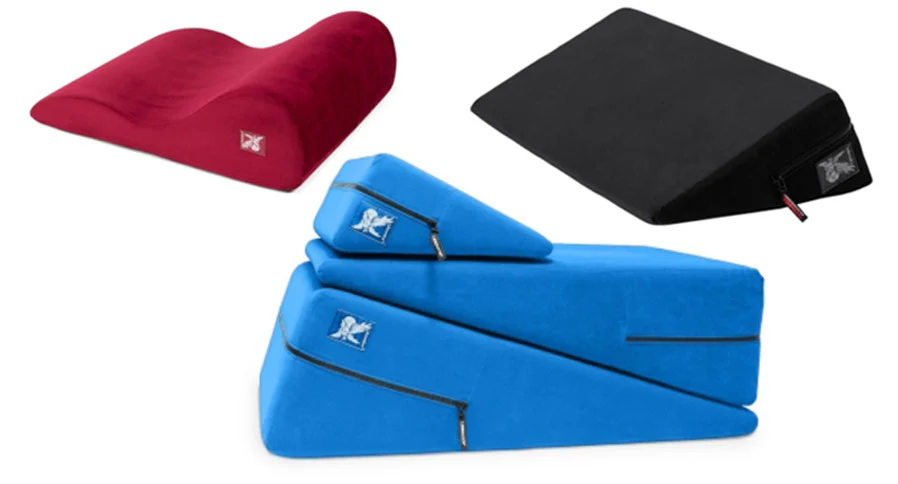
Be clear about why you want it. Are you shopping for comfort and positioning, mobility support, or specific kink use? Choose pieces that match the purpose rather than ones that just look interesting. Then there are accessories. See if protective sheets, extra covers, or pads are available. These extend life and make cleanup easier.
If the piece is meant to be used during sex, you should be able to wipe it down easily. Non-porous covers, sealed surfaces, or medical-grade vinyl are good. If it has a cover, check whether it can be removed and washed instead of spot-cleaned.
Build quality and measurements are just as important.
Look at the stated weight limits, how the frame is built, and how dense the padding is. Always check the exact height, width, and depth to make sure it fits your body and the space you plan to use it in. Sturdiness under movement is non-negotiable. If you move fast, play rough, or shift weight suddenly, the furniture should stay solid. It shouldn’t wobble, slide, flex, or creak when pressure is applied. If it does, it’s not built for real use.
Corners and seams are overlookd too ofen. Check photos closely. Smooth edges and sealed seams are easier to clean and more comfortable than rough or poorly finished joins or the sharp lines of inflatable versions.
Measure your room before you buy. Think about where the piece will live and whether it’s easy to move or adjust. Also, some items need walls, doors, or ceilings for anchors. Know what tools or installation is required before you buy.
- Return policy and warranty: Can you return it if it’s not what you expected? Clear, fair return policies matter with furniture.
- Reviews and trusted sources: Look at user reviews and expert blog reviews. Reviews that mention real use, comfort, durability, and cleaning give better clues than pictures alone.
- Trusted sellers: Buy from retailers or makers known for adult furniture or supportive design rather than general marketplaces with mixed quality.
How to Choose Erotic Furniture
- New to sex furniture: Start with a smaller support piece like a wedge, ramp, or compact positioning pillow. These are easier to store, usually cost less, and help you figure out what kind of support you actually like before buying a larger piece.
- Limited space: Choose something compact, foldable, or easy to store. A sex pillow, wedge, or convertible ramp usually makes more sense than a full chaise, sofa, or tantra chair.
- Discreet home setup: Look for furniture that resembles regular home décor. Some positioning pillows look like ordinary cushions, while some larger pieces are designed to pass as ottomans, lounges, or sculptural chairs.
- Comfort and strain relief: Prioritize support over style. Wedges, ramps, bolsters, and accessibility-focused chairs can help reduce pressure on the knees, hips, back, wrists, or shoulders.
- Pain, fatigue, disability, or limited mobility: Choose accessibility-focused furniture or stable support pieces. Look for easy transfer, steady frames, reduced strain, and designs made for comfort instead of novelty.
- Permanent furniture piece: Consider a tantra chair, divan, sofa, or lounge. These take up more room and usually cost more, but they are meant to stay in place like regular furniture.
- Smaller budget: Start with a positioning pillow, wedge, or ramp before looking at full-size furniture. Smaller pieces can still improve comfort, angles, and cleanup without the cost of a chair or sofa.
- Easy cleanup: Choose non-porous or easy-clean materials. Look for removable washable covers, moisture-resistant liners, sealed surfaces, or wipe-clean vinyl.
- BDSM or restraint use: Look for furniture built for that purpose. Check weight ratings, stable frames, reinforced hardware, smooth edges, and anchor points designed for load.
- Choosing between several options: Buy for the main problem you want to solve. Storage needs compact furniture. Pain needs support. Mobility needs accessibility. Aesthetics need discreet or sculptural furniture.
Comparing Top Brands
| Product | Price | Type | Best for |
|---|---|---|---|
| Liberator Wedge/Ramp Combo | $229–$300 | Foam wedge + ramp positioning set | Best first serious buy for people who want flexible support without buying a full furniture piece. Good for changing angles, reducing strain on hips/knees/back, and storing away when needed. |
| Dame Pillo | $129 | Compact sex pillow / positioning aid | Best discreet small-space option for people who want something closer to a regular pillow than obvious sex furniture. Good for apartments, beginners, travel, or anyone who wants light support without committing to a large item. |
| IntimateRider Sex Chair | $499 -$599 | Accessibility-focused mobility chair | Best accessibility-focused option for people with limited mobility, chronic pain, fatigue, disability, wheelchair transfer needs, or reduced range of motion. Good when comfort, stability, and lower physical strain matter more than aesthetics. |
| Tantra Chair Original | $1,449–$1,549 | Premium tantra chair / Kama Sutra divan | Best luxury statement piece for people who want permanent furniture rather than something stored away. Good for dedicated bedrooms, larger spaces, sculptural design, and a higher-end furniture feel. |
| TantriXofa Standard | Handmade tantra divan/sex sofa | Compact sex pillow/positioning aid | Best full-size sofa-style option for people who want a larger, more furniture-like piece with a softer home décor feel than a chair or wedge. Good for comparing sex sofas/divans against smaller positioning aids and premium chairs. |
Where the furniture lives matters
Smaller or lighter pieces are usually meant to be stored and brought out when needed, while larger items are designed to stay in place like regular furniture. Storage space, room layout, and how often you plan to use it all affect what makes sense. In shared homes or places with frequent guests, choosing something that’s easy to move, cover, or put away can make everyday life a lot simpler.
Why Sex Furniture Has Become More Mainstream
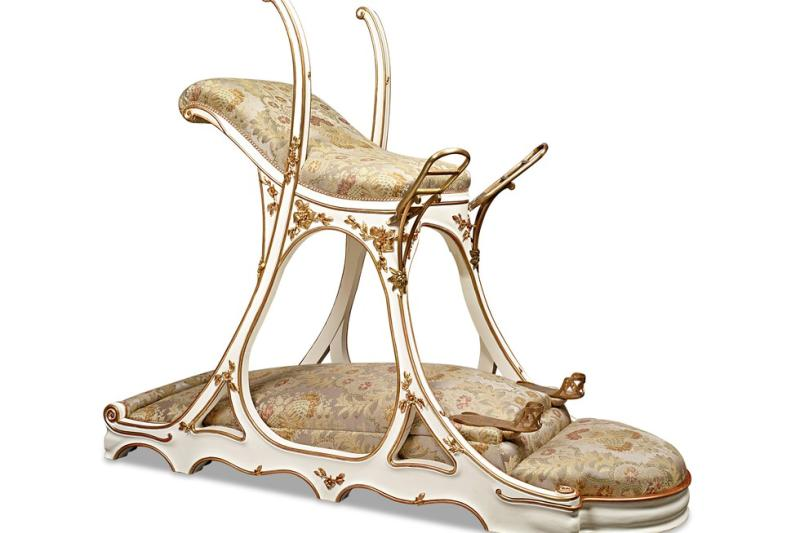
A big reason is design. Modern furniture already uses smooth lines, curves, and flexible shapes, which fits naturally with furniture made for intimacy. Because of that, erotic furniture doesn’t feel as strange or separate as it used to. Comfort plays a huge role too. More people want sex to feel easier on their bodies. That includes people dealing with pain, stiffness, injuries, disability, or just getting older. Furniture that offers support isn’t a luxury anymore—it solves real, everyday problems.
Attitudes have shifted as well. Intimacy at home is no longer treated like something you just “make work.” People are more open to setting up their space in ways that actually support their sex life, instead of hiding it or improvising.
Sex Toys That Pair Well With Erotic Furniture
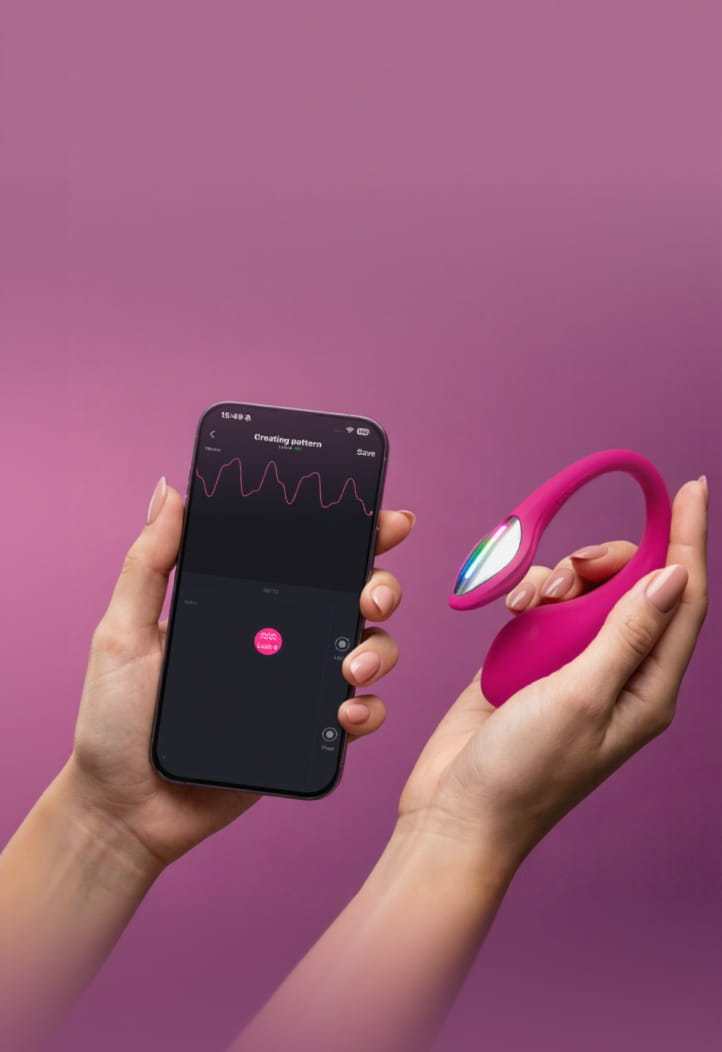
Domi 2 – Wand Massager
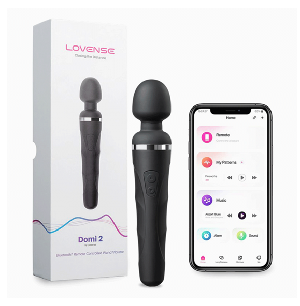
- Compact but powerful – with powerful vibration
- Ideal for intense punishment or reward sessions
- Full control via the Lovense app
- Flexible neck for comfort
Gemini – Vibrating Nipple Clamp
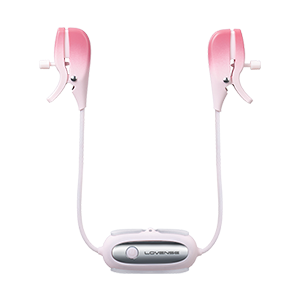
- Compact and wearable
- Remote-controlled vibration & intensities
- Adjustable pinch strength for comfort
- Triggers Full-body arousal
Sex Furniture FAQs
Sex furniture is used to support the body during intimacy. It can help with angles, comfort, balance, stamina, and reducing strain on the knees, hips, back, wrists, or shoulders.
Regular pillows can work in a pinch, but they usually flatten, slip, or absorb moisture. Sex furniture is firmer, easier to clean, and made to hold its shape under body weight.
A wedge, ramp, or compact positioning pillow is usually the easiest place to start. They are smaller, less expensive than full furniture, and useful in more than one position.
A wedge is usually smaller and angled. A ramp is longer and gives more gradual support. A positioning pillow is a broader term for cushions made to lift, prop, or support the body.
Compact pillows, wedges, foldable ramps, and pieces that double as regular-looking furniture work best in small spaces. Full lounges, sofas, and tantra chairs need more room.
Smaller pieces can go under a bed, in a closet, or inside storage furniture. Larger pieces are easier to manage when they look like an ottoman, lounge chair, bench, or sculptural décor.
Look for wide surfaces, firm foam, strong frames, clear weight limits, and stable bases. Avoid anything that slides, wobbles, or gives vague product specs.
Supportive wedges, ramps, bolsters, and accessibility-focused chairs are usually better than novelty pieces. The goal is less pressure, easier positioning, and less effort to stay comfortable.
Follow the product instructions. In general, removable washable covers, wipe-clean vinyl, sealed surfaces, and moisture-resistant liners are easier to keep clean than regular upholstery.
Non-porous or protected materials are best for functional sex furniture. Look for wipe-clean vinyl, sealed surfaces, moisture-resistant liners, washable covers, and firm high-density foam.
They can be, but comfort depends on the shape, height, firmness, and your body. They work best when the piece fits your space and supports positions you actually want to use.
Check the measurements, weight limit, material, cleaning instructions, return policy, warranty, and reviews. Photos are useful, but specs matter more.
Sometimes, but not always. Sex furniture is made for sexual use. Erotic furniture can also mean sensual décor, sculptural pieces, or regular-looking furniture chosen for intimacy.
Yes, but it depends on the piece. It should be stable, comfortable, and protected with a washable or waterproof layer if there may be fluids, friction, or heavier movement.
Final Thoughts for First-Time Shoppers
Being curious doesn’t mean you have to go all in. You can start small, see what you actually use, and build from there. Many people do.
Let function guide your choice. What the furniture does—how it supports your body, how stable it is, how easy it is to clean—matters more than how it’s described or marketed. When it fits your needs, erotic furniture stops feeling like a novelty. It becomes just another part of how you live in your space and take care of your comfort and connection.
Want More Reads?
- Forniphilia 101 – The Human Furniture Fetish
- Hands Free Orgasms: From Natural Techniques to Wearable Sex Toys
- St. Andrew’s Cross For Beginners: History, Use, and BDSM Safety Guide