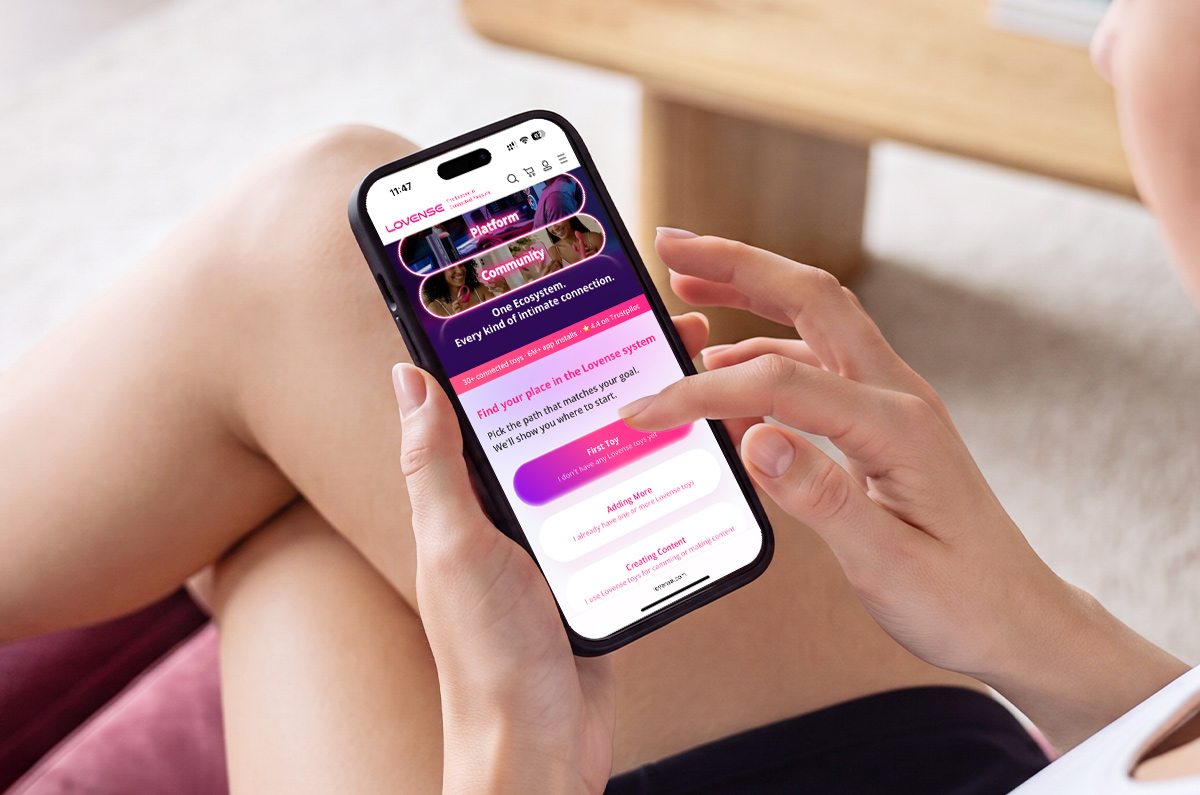
If you look at how much we use apps to track our sleep, our steps, or our food, it only makes sense that we’re finally using those same tools for our intimate lives. This is sex tech, and it’s a lot more common—and practical—than you might think.
Technology is finally catching up to the way we actually live. It’s helping us fill in the blanks that doctors and classrooms often miss, from managing physical pain and recovery to keeping a relationship strong when you’re miles apart. It’s about using data, hardware, and digital platforms to handle a totally natural part of being human.
In this guide, we’re moving past the hype to look at what this industry actually does. We’ll dive into the tools people are using right now, the experts who paved the way, and why this “digital intimacy” is becoming a standard part of modern wellness.
TL;DR – What is “Sex Tech”?
At its simplest, sex tech is just any technology made to help us with our sexual lives. That’s it. If a piece of tech helps you understand your body, feel closer to a partner, or stay healthy, it counts. The reason people get confused is that they think “sex tech” is only about the physical act of sex or the adult toys that come with it. But there is a big difference between sex and sexuality:
- Sex is usually an action—it’s what people do.
- Sexuality is who we are. It includes our identity, our health, our relationships, and how we feel about ourselves.
Think of it like “Food Tech.” If we only focused on the act of eating, we’d only have forks and spoons. But because we care about the whole experience of food, we have apps for nutrition, websites for recipes, and tech that helps farmers grow better crops.
Why This Matters
When we treat sex tech like it’s only about “adult acts,” we push it to the sidelines. This makes it harder for important tools to reach the people who need them. We end up overlooking things like:
- Health tech that helps people track hormones or cycles.
- Safety tech that helps people talk about consent or report abuse.
- Relationship tech that helps long-distance couples feel connected.
Experts like Bryony Cole and Cindy Gallop have been saying this for years: putting “tech” at the end of the word “sex” gives us permission to talk about it normally. It stops being a dirty secret and starts being what it actually is—technology helping us with one of the most natural parts of being human.
Who Are They?
Cindy Gallop coined the term “sex tech” at TED in 2009 and founded MakeLoveNotPorn (2011) to normalize real-world intimacy. Bryony Cole launched the Future of Sex podcast (2016) and Sextech School (2020). She is an industry fellow at the New Museum’s NEW INC.
Why Sex Tech Exists at All
Cultural silence and stigma: For a long time, talking about sex was considered “taboo” or embarrassing. This silence made it hard for people to ask questions or get help without feeling judged. Technology has become a safe space.
Privacy first: You can research a health issue or buy a tool from your phone without anyone knowing. Digital tools provide a layer of privacy that a doctor’s office or a classroom sometimes can’t.
Safe experimentation: Tech allows people to explore their fantasies or learn about their bodies in a controlled, private environment.
Gaps in education and healthcare: Standard sex ed is often outdated or incomplete, and doctors sometimes lack the training to handle sexual health issues comfortably. This leaves a lot of people (especially women and the LGBTQ+ community) without the answers they need.
“Over 68% of adults in North America believe that sexual wellness technology is essential to holistic health, not just a luxury.”
Why technology becomes the workaround: When the “official” systems fail, people turn to tech to fill the gap. Tech has become the ultimate “workaround” for three big reasons.
- Direct access: You don’t need a complicated referral to download a health app or buy a pelvic floor trainer.
- Affordability: An app or a one-time device purchase is often cheaper than multiple specialist visits.
- Community: For those in marginalized groups, the internet is where they find others like them to share advice and support.
Basically, sex tech exists because human beings are naturally curious, and technology is simply the easiest way to bypass the old-fashioned “hush-hush” culture.
What Counts as Sex Tech?
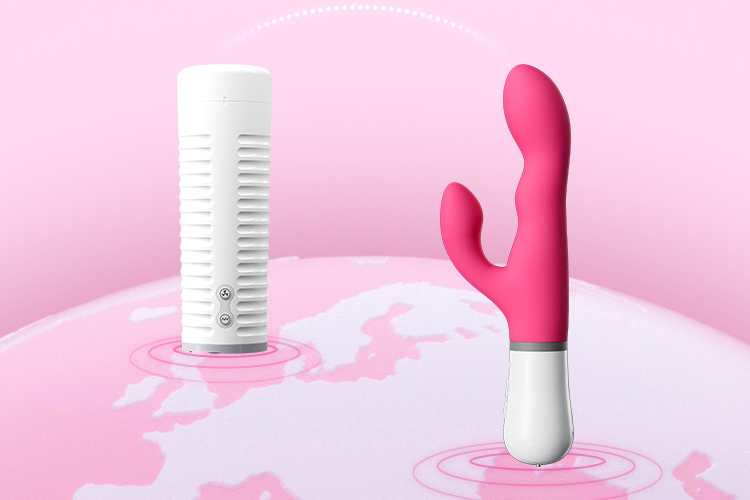
Sex tech becomes much easier to understand when you see what it actually looks like in real life. These are not abstract ideas. These are products and tools people are already using.
Pleasure and intimacy tools
This is the category most people recognize first.
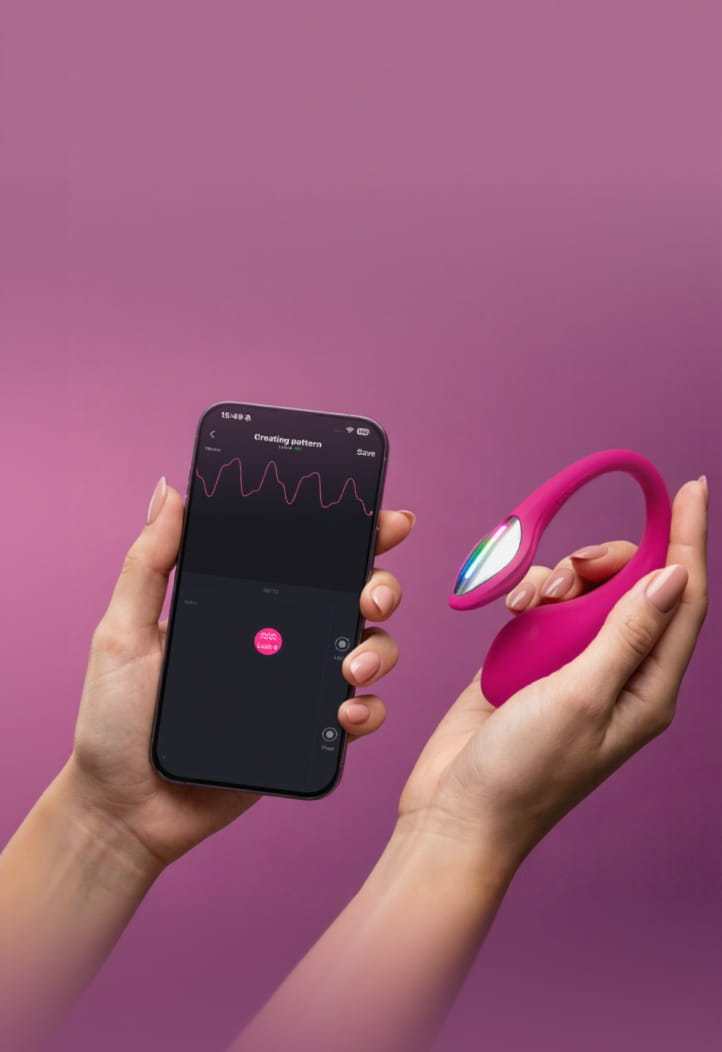
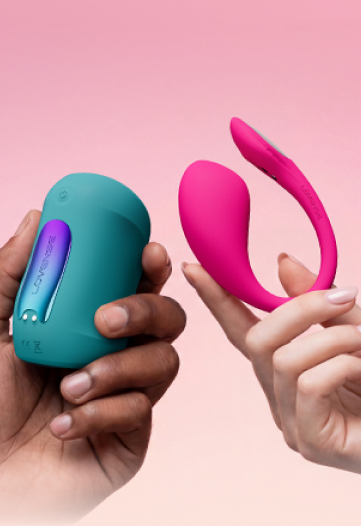
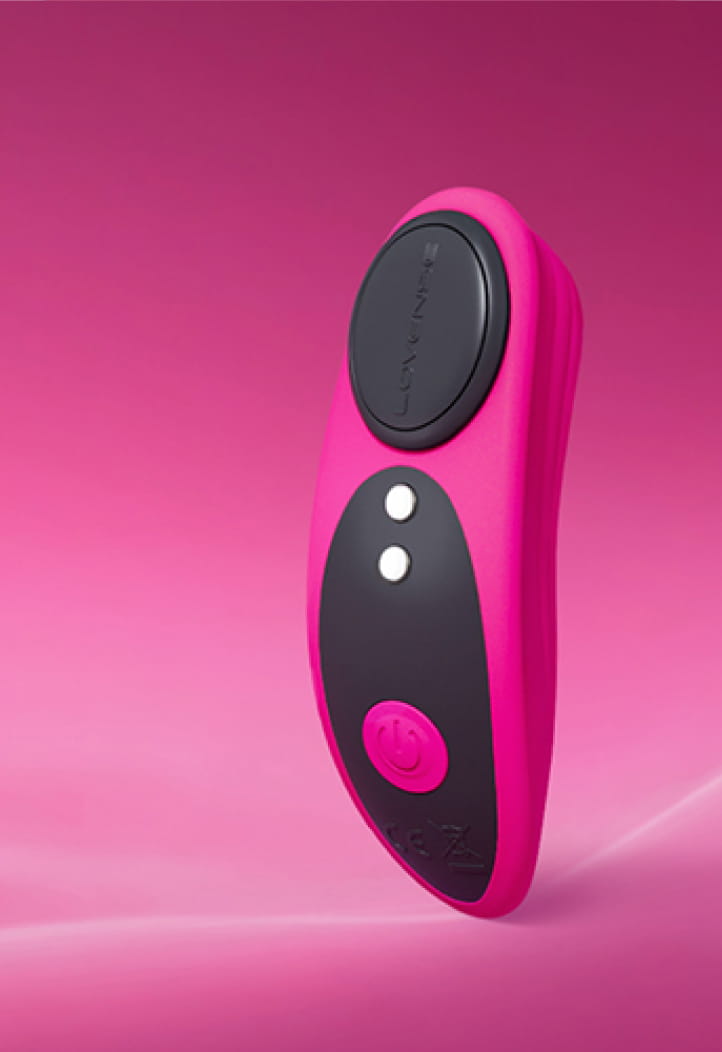
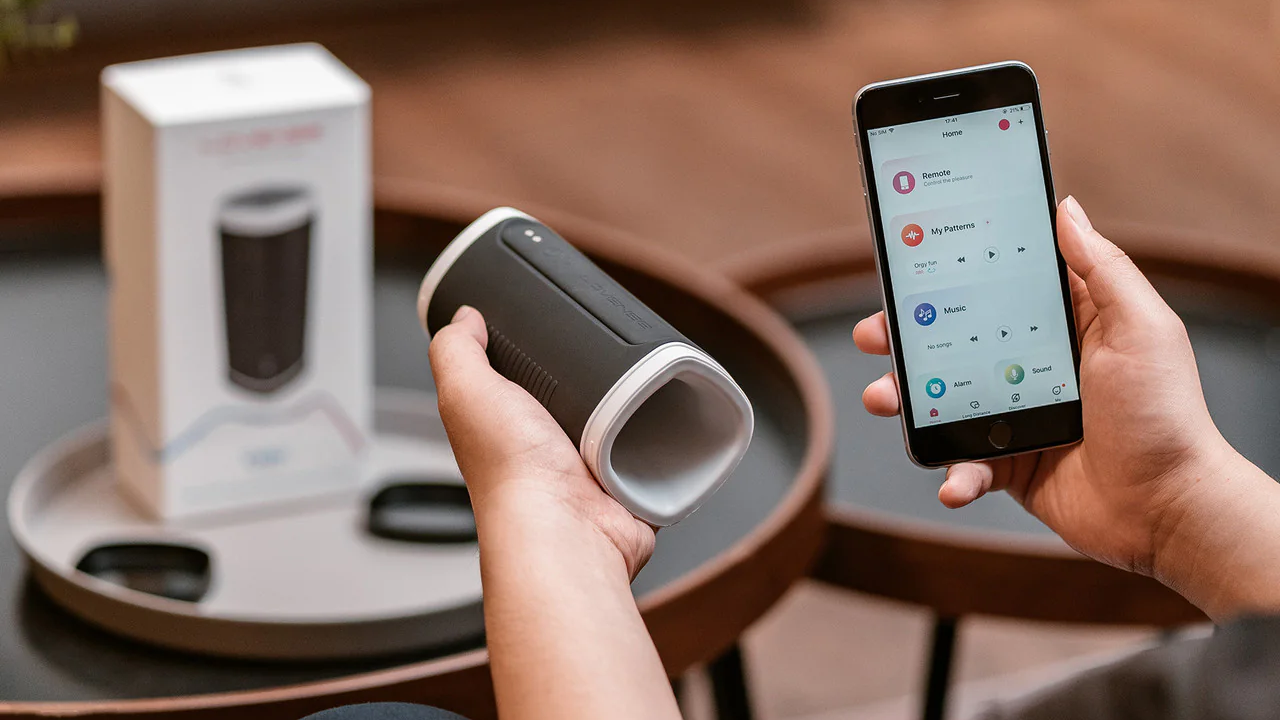
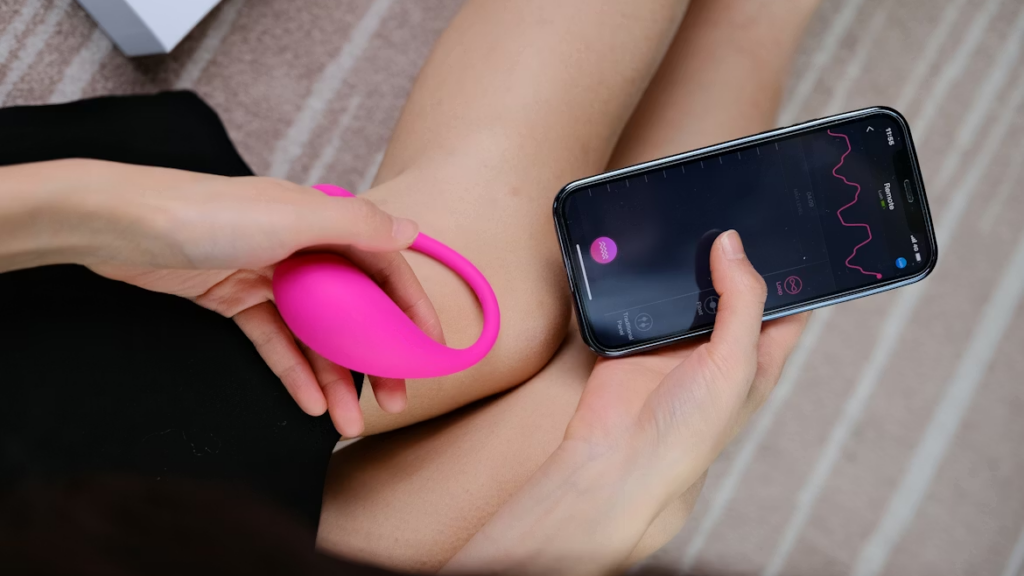
Examples include app-controlled sex toys like Lovense products (such as Max 2 or Nora), which let a partner control sensation from anywhere in the world through a phone app. We‑Vibe makes couples’ toys that can be worn during sex and adjusted in real time. There are also hands-free wearables like Dame Eva, designed to stay in place during movement rather than needing to be held. These tools focus on connection, feedback, and customization, not just vibration.
More examples:
- Long-distance toys: These connect to the internet so a partner can control the settings from their phone, even if they’re in a different time zone.
- Wearable “hands-free” tech: Small devices that stay in place on their own, so you don’t have to hold onto them while you’re playing with a partner.
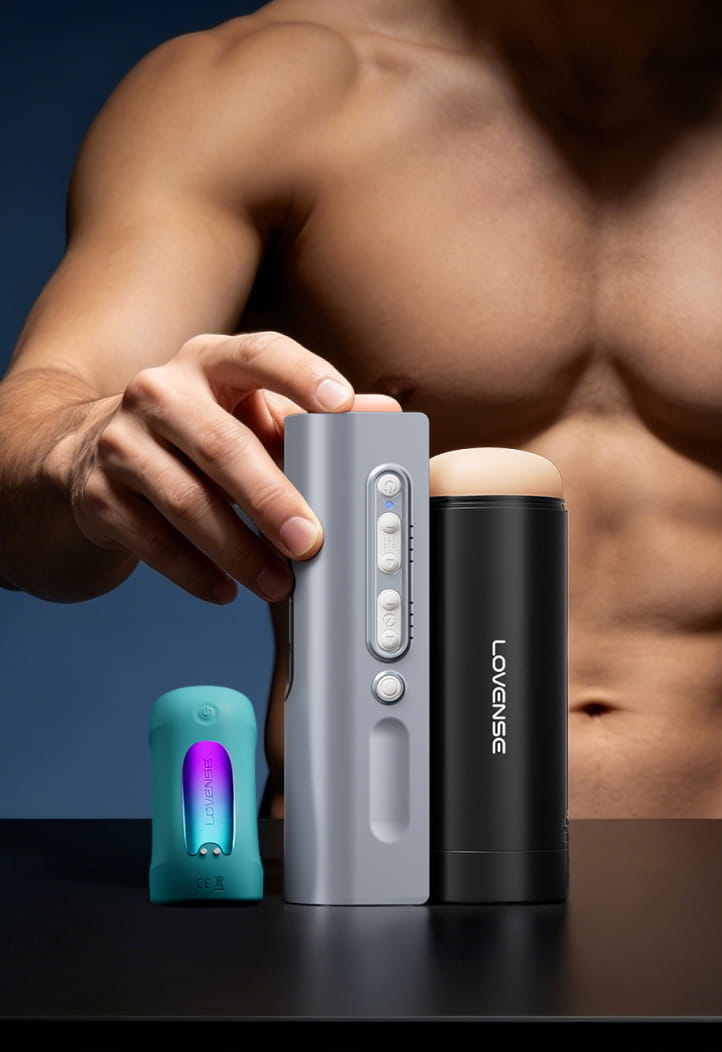
- App-synced “strokers”: Devices for men that can sync up with a video or a partner’s movements to make it feel more real.
- Discreet sex toys: Little items you can wear out in public that a partner can control secretly with a remote or a phone.
- Smart toys with sensors: These actually “learn” what you like. They track things like your heart rate or muscle tension and send that info to an app so you can see what works best for your body.
- Digital locks: For people into power-play, these are items that can only be unlocked through a secure app on someone else’s phone.
Sexual health and wellness technology
This side of sex tech often looks more like healthcare than pleasure. It’s about solving problems and making your body feel better. Here are some common examples…
- Smart pelvic floor trainers: These look like small, insertable pods that link to your phone. They turn “kegel” exercises into a video game so you can actually see if you’re doing them right. This helps with bladder control and recovery after having a baby.
- Dilation kits for pain: For people who find penetration painful or impossible due to medical conditions, these are sets of smooth, graduated tools used with apps to slowly and safely “retrain” the body to relax.
- Vibrators for medical use: Some devices are made specifically for people with nerve damage, low sensitivity after surgery, or conditions like vaginismus. They focus on specific frequencies that help “wake up” the nerves or ease muscle tension.
- Sensation-tracking “biofeedback” devices: These have built-in sensors that track your body’s physical response (like muscle contractions). The data goes to an app so you and your doctor can see exactly what’s happening during arousal.
- Hormone and cycle trackers: Beyond just “period apps,” these are wearable sensors or test kits that help people understand how their hormones affect their sex drive and comfort throughout the month.
Education and communication platforms
Some of the most impactful sex tech doesn’t involve hardware or “toys” at all. A huge part of this world is just about helping us get smarter and better at talking to each other.
Think of it like a digital bridge. Instead of a boring textbook, you have interactive websites that use real data and touch-screen simulations to show how the body actually works and what feels good. It turns learning into something private and low-pressure.
Then there are “conversation-starter” apps. We all know how awkward it can be to bring up a new fantasy or set a boundary. These apps act like a middleman—you and your partner can both swipe on things you’re curious about, and the app only tells you if you both said “yes.” It takes the fear of rejection out of the room. By moving these conversations to our phones, it makes talking about sex feel less like a “big serious talk” and more like a normal part of your day.
Immersive and emerging tech (VR, AI, robotics)
This category gets the most headlines, even though it’s the least common in everyday use. It’s where technology tries to recreate the feeling of being with another person—or at least a very convincing simulation of it. While these tools feel like the “future,” they’re already being used to help people work through social anxiety, explore fantasies in a safe space, or find companionship when they’re lonely.
| The Tech | How it works in real life |
|---|---|
| VR (Virtual Reality) | You wear a headset that puts you “inside” a 360-degree scene. Often, your physical devices sync up so you feel what you’re seeing on screen. |
| AI Companions | Chatbots that learn your personality. People use them to practice flirting, build confidence for dating, or just for intimate conversation. |
| Robotics | High-end, life-sized figures with built-in sensors and AI. They can respond to touch or speech to simulate human interaction – think advanced sex dolls (yes, they come in the male form too). |
| Haptic Suits | Wearable gear that uses tiny motors to mimic the feeling of a human touch or a hug across your whole body. |
Common Questions About Sex Tech (FAQ)
It’s used for everything from treating medical pain and recovering after childbirth to staying connected with a partner. It’s a tool for health and better relationships, not just a gadget.
No. It includes apps that track your hormones, websites that teach the science of pleasure, and wearable sensors for physical therapy. If it uses technology to improve your sexual life, it counts. But teledildonics is are part of this too.
Actually, it’s usually the opposite. Most tools are built to help people feel more comfortable in their own skin or to help couples communicate better so they can be more present with each other.
Not at all. A huge part of the industry is focused on “solo” wellness—helping individuals understand their own bodies, manage health conditions, or find confidence.
Mostly, but you have to check. Look for “medical-grade silicone” for anything that touches your body. For apps, check their privacy settings to see how they handle your data.
Some of it is for entertainment, but most of it is closer to health tech. Calling it “porn” is why many helpful products—like those for menopause or pelvic pain—get blocked from app stores.
Everyone, but especially people who have been overlooked by traditional medicine. This includes women, the LGBTQ+ community, and people with disabilities who need specialized tools for their bodies.
It’s a bit of a “Wild West” right now. While medical-focused devices often seek FDA clearance, many other products are unregulated. It’s important to stick with reputable brands that are open about their testing.
Why is Everyone Talking About Sex Tech Now?
It feels like sex tech is everywhere lately because we’re finally starting to move out of the “hush-hush” routine. Here is why the conversation has finally broken into the mainstream:
- We’re tired of the stigma: People are over feeling embarrassed about a natural part of life. There is a huge cultural shift toward being open, honest, and curious.
- Women are taking the lead: For a long time, this tech was made by men, for men. Now, women-led companies are building products that actually solve real problems—like hormone health, menopause, and pleasure.
- It’s part of “wellness”: We now see sexual health as just “health.” Like a heart monitor or a step-counter, sex tech is just another way to take care of your overall well-being.
- Tech makes it easier to talk: It’s often easier to swipe an app or read a digital guide than to have a “big serious talk” in person. Technology is giving us the icebreakers we’ve always needed.
This is Just the Beginning
Understanding what sex tech is is only the first step. Once you look past the gadgets and the apps, you start to see that this isn’t just about products – it’s about how we handle bigger sex ideas like our health, our privacy, and even our money.
Now that we have a baseline for what this world looks like, we can start asking the bigger questions: Who gets to build these tools? Who is allowed to see them? And how is this technology changing what it means to be human in a digital world?
As we move forward, we have to look at the power behind the screens. It’s one thing to define the tech, but it’s another to talk about the gatekeepers—the banks, the app stores, and the investors—who decide whether these tools even get to exist. The future of sex tech isn’t just about better devices; it’s about a more open, honest, and healthy future for all of us.
Want More Reads?
- How to Sync Long-Distance Sex Toys For Shared Play
- Choosing the Best App-Controlled Vibrators by Price (Budget vs. Premium)
- How to Stay Safe When Using Long-Distance Sex Toys