
When you’re pregnant, every choice suddenly feels like it comes with a rulebook — what to eat, what to drink, how to sleep, how to move. So it makes sense that a lot of people quietly wonder about something that rarely gets discussed out loud: whether using a vibrator during pregnancy is safe.
The short answer is usually yes. In a low-risk pregnancy, sexual activity — including vibrator use — is generally considered safe by OB-GYNs. Your baby is protected behind muscles, the amniotic sac, and several layers of tissue. Vibrations from a toy simply don’t reach them.
But safety isn’t the only question people have. There are worries about contractions, infection, what’s safe internally, what’s better externally, and whether pleasure can cause harm in any way. You might also be dealing with a libido that’s changing by the week, and your body can feel more sensitive than ever.
This guide answers everything clearly and calmly, so you can make decisions with confidence instead of fear.
Table of Contents
- What Doctors Commonly Say About Vibrators and Pregnancy
- Can Vibrations Reach or Harm the Baby?
- When You Should Not Use a Vibrator During Pregnancy
- External vs. Internal Vibrators: Which Are Safer While Pregnant?
- Choosing a Safe Vibrator During Pregnancy (Materials, Shape, Hygiene)
- Can Using a Vibrator Trigger Contractions or Early Labor?
- Libido Changes During Pregnancy — Why Many People Turn to Vibrators
- Common Myths About Vibrators and Pregnancy (And the Facts)
- Safe Ways to Use a Vibrator During Each Trimester
- When to Talk to Your Doctor About Vibrator Use
- Vibrator During Pregnancy FAQs
- Bringing It All Together — What This Means for You
- Want More Reads?
What Doctors Commonly Say About Vibrators and Pregnancy
When talking to OB-GYNs, the conversation around solo play and vibrators is surprisingly straightforward. Doctors typically categorize vibrator use as a form of normal sexual activity, and for most pregnancies, sexual activity remains safe throughout all three trimesters. What matters most is your individual medical history, not the presence of a vibrator itself.
Doctors commonly explain a few core principles:
1. Sexual activity does not “jostle” or disturb the fetus
The uterus is an incredibly strong organ. Its thick muscular walls absorb movement long before it reaches the baby. The amniotic sac further cushions everything. Vibrators — even the strong ones — simply don’t create the kind of force needed to penetrate those layers.
2. Orgasms are normal and safe
Orgasms cause temporary uterine contractions. These are the same kind of contractions people experience during sex or even exercise. They do not dilate the cervix or induce labor in a low-risk pregnancy. Doctors see these contractions as a normal part of the reproductive system.
3. The main concern is infection, not vibration
What doctors care most about is maintaining a healthy vaginal environment. Pregnancy alters pH and cervical mucus, making some people more susceptible to infections. This is why OB-GYNs emphasize choosing non-porous materials and good hygiene more than anything else.
4. Pelvic rest changes everything
If a provider says “no sex,” they mean no penetration, no stimulation inside the vagina, and no orgasms — regardless of whether a toy or a partner is involved. Pelvic rest is usually prescribed for complications like placenta previa or cervical shortening.
Doctors aren’t interested in judging — their focus is on safety, comfort, and preventing complications.
Can Vibrations Reach or Harm the Baby?
This is one of the most common questions, and the fear usually comes from imagining the baby reacting to vibrations or “feeling” the movement. But the human body doesn’t work that way.
Here’s what actually happens:
The uterus blocks mechanical force almost entirely
The abdominal muscles and uterine wall act like dense layers of insulation. Vibrations dissipate quickly through soft tissue. Even high-powered wand massagers barely penetrate the first few millimeters of muscle.
Amniotic fluid absorbs movement
Imagine being underwater in a large pool. Someone tapping the edge of the pool doesn’t create movement around you. The same principle applies here. The fluid acts as a shock absorber.
The fetus experiences only internal movement, not external vibration
The baby feels things like your heartbeat, digestion, stretching, and your own shifts in position. External vibration at the skin or vulva doesn’t translate into internal motion strong enough to detect.
Studies on fetal response show no link to vibration intensity
Medical research on fetal responses (e.g., to maternal exercise, movement, or sexual activity) shows that normal physical activity causes far more internal motion than vibrators ever could.
So, from a physiological standpoint, the baby remains entirely protected. The concern is understandable emotionally, but the science is clear.
When You Should Not Use a Vibrator During Pregnancy
Even though vibrators are safe for many people, there are situations where stopping or pausing is the right call. If your doctor has told you to avoid sex, penetration, orgasms, or vaginal activity, those instructions extend to vibrators.
Pregnancy Complications Where Internal Use May Be Unsafe
Certain conditions require extra caution with anything involving penetration:
- Placenta previa
- Cervical insufficiency
- History of preterm labor
- Bleeding or unexplained spotting
- Ruptured membranes
- Infections or suspected infections
- A shortened cervix
- Any scenario where your provider recommends pelvic rest
In these cases, external stimulation (like a toy used on the clitoris or vulva) may still be fine, but anything internal should be avoided unless your doctor clears it.
When Contractions Are a Warning Sign
Orgasms can cause the uterus to tighten briefly — this is normal and not a sign of labor. But if you ever experience:
- Painful ongoing contractions
- Tightening that becomes rhythmic
- Cramping paired with bleeding
- Leaking fluid
…stop and contact your provider. Vibrators don’t cause labor, but persistent contractions can be a sign your body needs attention.
External vs. Internal Vibrators: Which Are Safer While Pregnant?
Most people lean toward external vibrators during pregnancy because they avoid penetration and feel gentler on a body that’s already doing a lot of work. Internal toys can still be used safely in many pregnancies, but comfort becomes a major deciding factor.
Why External Stimulation Is Lower Risk
External toys don’t interact with the cervix or vaginal walls, which lowers infection and irritation risk. They also accommodate belly growth, positional challenges, and increased sensitivity.
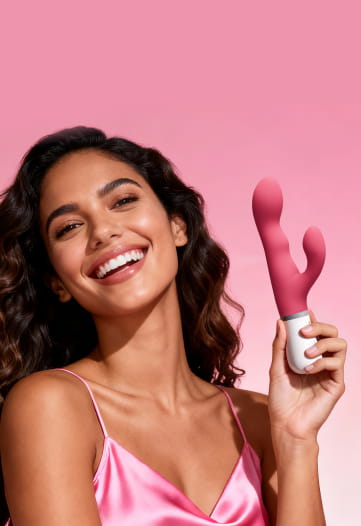
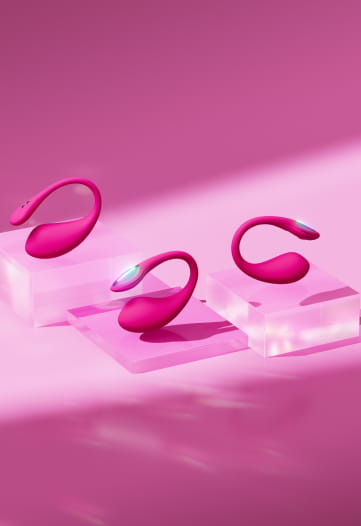
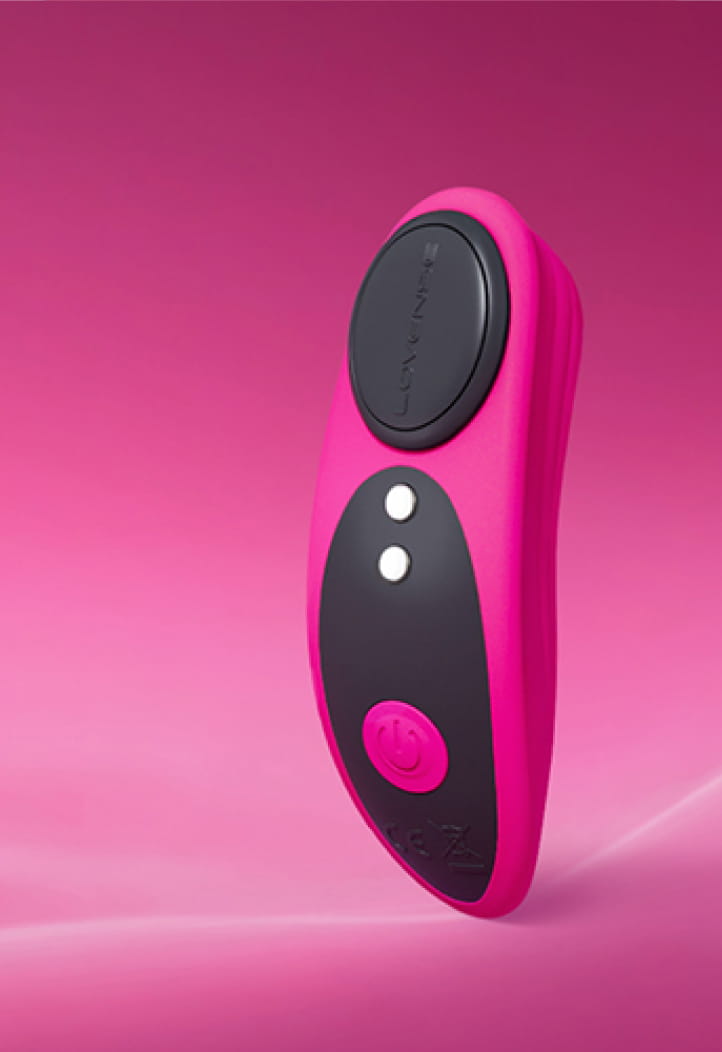
Ambi and Exomoon are especially popular choices during pregnancy because they’re compact, angled, and flexible. They provide strong clitoral stimulation without requiring internal use, and the shapes make them easy to control no matter how your body shifts across trimesters.
Considerations for Internal Toys During Pregnancy
If you enjoy penetrative toys, go slow and choose shapes that are flexible and cushioned. Many pregnant users prefer gentler toys like Nora or Osci 3, which provide internal stimulation without deep thrusting or rigid pressure.
A few tips for internal use:
- Keep penetration shallow
- Avoid very rigid materials
- Use plenty of water-based lubricant
- Stop immediately if you feel pressure on the cervix
- Switch to external play if anything feels “off”
Comfort is the compass here — not rules or restrictions.
Choosing a Safe Vibrator During Pregnancy (Materials, Shape, Hygiene)
Pregnancy can make tissues more sensitive and make you more susceptible to infections, so this is the time to choose your toys carefully.
Safe Materials to Look For
In pregnancy, sticking to non-porous, medical-grade materials is especially important. These include:
- Silicone
- ABS plastic
- Stainless steel (used gently)
Avoid anything jelly-like, rubbery, porous, or scented. Those materials harbor bacteria, degrade quickly, and are harder to clean thoroughly.
Shapes and Sizes That Reduce Discomfort
Pregnant bodies often prefer:
- Bullet-style external toys
- Soft silicone wands
- Curved but not deep internal designs
- Small-to-medium toys with flexible shafts
- External-focused toys like Ambi or Exomoon
Larger or long-insertion toys may become uncomfortable, especially later in pregnancy when pelvic organs shift.
Cleaning Practices to Prevent Infection
Good hygiene is one of the simplest ways to avoid issues:
- Wash toys before and after each use
- Use mild, fragrance-free soap
- Rinse thoroughly
- Dry completely
- Store in a clean, dry environment
- Use condoms on shared toys
- Replace any toy showing cracks or discoloration
Pregnancy changes vaginal pH, making infections easier to develop — keeping toys impeccably clean really matters.
Can Using a Vibrator Trigger Contractions or Early Labor?
This concern is extremely common, especially for first-time parents or anyone who has had a scare earlier in pregnancy. The reassuring truth: vibrators don’t cause labor in a healthy pregnancy.
What Happens to the Uterus During Orgasm
When you orgasm, your uterus contracts briefly. These contractions are temporary, non-threatening, and very different from labor contractions. They don’t dilate the cervix. They don’t create labor hormones. They don’t “start” anything medically dangerous.
Many people actually find orgasms help relieve tension, improve sleep, and reduce pelvic discomfort.
When Contractions Are a Warning Sign
If contractions continue beyond the orgasm or become rhythmic and painful, this may indicate something entirely separate from vibrator use.
Call your provider if:
- They last more than several minutes
- They come in patterns
- You feel lower back pressure or pain
- You notice bleeding or fluid
The vibrator didn’t cause it — but your body might be signaling something important.
Libido Changes During Pregnancy — Why Many People Turn to Vibrators
Your libido during pregnancy can swing wildly. For some, it skyrockets early and dips later. For others, it’s the complete opposite. These changes are normal. They’re driven by hormones, blood flow, fatigue, stress, and physical changes.
The Role of Estrogen and Increased Blood Flow
Estrogen boosts sensitivity in the vulva, clitoris, and nipples. Increased pelvic blood flow can make orgasms easier or more intense. This is one reason why vibrators feel appealing for many pregnant people — they amplify sensation without needing as much movement or effort.
Decreased Desire in the Third Trimester
By the time the belly grows significantly, many people feel too sore, swollen, or fatigued for partnered sex. This is where gentle, external stimulation with toys like Ambi, Exomoon, or broader sensory tools like Gemini and Tenera 2 can offer comfort without pressure.
These toys aren’t just for genitals — they can stimulate nipples, thighs, the neck, lower back, and anywhere else that helps with arousal or relaxation.
Common Myths About Vibrators and Pregnancy (And the Facts)
Pregnancy is one of the most over-policed and over-mythologized experiences in the world. When it comes to sex, pleasure, or vibrator use, people tend to repeat whatever they’ve heard — even if it has no basis in physiology or obstetric science. These myths can make people afraid of completely normal behavior.
Let’s go through the two biggest misconceptions and break them down clearly.
“Vibrations Can Hurt the Baby.”
Some people imagine that vibrations from a sex toy could travel through the vagina, reach the uterus, and somehow startle, disturb, or injure the baby. However, Human anatomy simply doesn’t work that way. Here’s how the body protects the fetus:
1. The Uterus Is a Thick Muscle Wall
The uterus is made of extremely strong, dense muscle fibers. It’s designed to withstand pressure, contractions, and movement far more intense than anything a vibrator can create. Any surface-level vibration is absorbed by the surrounding tissue long before it reaches the uterus.
2. Amniotic Fluid Absorbs Shock
The fetus floats in fluid that distributes force evenly. Even when a pregnant person is running, jumping, stretching, or coughing, the baby remains cushioned. Compared to normal daily movement, vibrator vibrations are minimal.
3. Vibrations Don’t Travel Through Tissue as People Imagine
Vibration intensity drops off extremely fast once it meets soft tissue. Even a strong external toy loses the majority of its force within millimeters. The clitoral area, vaginal canal, and abdominal wall all act as natural dampeners.
4. Evidence From Sexual Activity
Doctors have long known that sex, orgasms, pelvic movement, or even exercise all cause more internal motion than a vibrator. None of these activities harm the fetus in a low-risk pregnancy.
Vibrators cannot hurt the baby. They don’t reach the uterus, they can’t penetrate protective barriers, and they produce less force than everyday activities like walking or shifting positions in bed.
“Masturbation Causes Miscarriage.”
Because miscarriage is emotionally devastating and often unpredictable, people naturally look for causes — even in completely harmless activities like masturbation or vibrator use.
The misconception: “If you orgasm, you might trigger miscarriage.”
This is wrong becaseu miscarriage is overwhelmingly caused by internal biological factors, not physical activities. Here’s what medical evidence shows:
1. Most Miscarriages Are Chromosomal
Around 70% of first-trimester losses happen because the embryo has chromosomal abnormalities incompatible with development. Nothing external — not sex, not exercise, not masturbation — can cause or prevent them.
2. Orgasm-Related Uterine Contractions Are Not Dangerous
Orgasms create brief uterine tightening. These contractions are mild, don’t open the cervix, don’t trigger labor hormones, and fade quickly. They’re comparable to the contractions people feel during sex or even during intense coughing or sneezing.
3. Pregnant Bodies Are Built to Handle Orgasms
The reproductive system doesn’t become fragile or easily interfered with during a normal pregnancy. If orgasms were inherently dangerous, doctors would warn against them universally — and they don’t.
4. Only High-Risk Medical Situations Require Avoiding Orgasm
A small subset of pregnancies do require cautions such as pelvic rest. Examples include:
- Placenta previa
- Preterm labor risk
- Cervical insufficiency
- Active bleeding
- Ruptured membranes
In these cases, avoiding orgasm or penetration is necessary — not because masturbation is dangerous in general, but because these specific medical concerns require extra protection.
Masturbation does not cause miscarriage in a healthy pregnancy. If your doctor hasn’t put you on pelvic rest, orgasms and solo play are considered normal, safe, and even beneficial for stress relief and improved mood.
Safe Ways to Use a Vibrator During Each Trimester
First Trimester — What to Watch For
In early pregnancy, spotting, nausea, or cramping can make you more cautious. If you ever experience bleeding after toy use, stop and call your doctor — not because vibrators cause miscarriage, but because bleeding in early pregnancy should always be checked. Most people can enjoy external toys comfortably during this phase.
Second Trimester — Usually the Most Comfortable Window
Energy rises, libido often increases, and the body is generally more comfortable. This is the trimester where many people explore more toys or positions.
External-focused toys (Ambi, Exomoon, Tenera 2) and programmable internal toys (Osci 3, Nora) are commonly preferred becasue you can change the intensity of the button levels.
Third Trimester — Gentle, Slow, External Stimulation
By now, certain positions might feel awkward or impossible. Most people switch to:
- Side-lying positions
- Propped-up pillows
- Slower speeds
- External stimulation only
This is also when non-genital stimulation — like Gemini or Tenera 2 on the back, thighs, or chest — feels especially good, because it avoids belly compression.
When to Talk to Your Doctor About Vibrator Use
Your doctor has heard every sexual question under the sun — you will not shock them. Talk to your provider if you experience:
- Recurrent bleeding
- Painful contractions
- Unusual discharge
- UTIs or yeast infections
- Pelvic pressure that feels new
- Any condition requiring pelvic rest
How to Bring Up the Topic if You Feel Embarrassed
Try something simple and straightforward:
- “Is external vibrator use safe for me right now?”
- “Should I avoid anything internal?”
- “Is there any reason stimulation would be risky for my pregnancy?”
Doctors welcome these questions. They want to help you stay safe and comfortable.
Vibrator During Pregnancy FAQs
Is it safe to use a vibrator during pregnancy?
Usually yes, if you have a low-risk pregnancy.
Can using a vibrator harm the baby?
No. Vibrations don’t reach or affect the fetus.
Can a vibrator trigger contractions or early labor?
Not in a healthy pregnancy. Temporary tightening is normal.
Are external vibrators safer?
Yes — Ambi or Exomoon are great examples of gentle, low-risk options.
When should you avoid using vibrators?
When you have placenta previa, cervical issues, bleeding, infections, or are on doctor-recommended pelvic rest.
Bringing It All Together — What This Means for You
Pregnancy does not cancel out your sexuality. It changes your body, your comfort levels, your energy, and your needs — but pleasure is still part of your life if you want it to be.
If your pregnancy is low-risk, using a vibrator is typically safe, especially external toys. Choose clean materials, listen to your body, slow down when you need to, and don’t hesitate to ask your doctor if something feels uncertain.
You deserve comfort, pleasure, and confidence in your own choices — and with the right approach, you can safely enjoy whatever feels right during this phase of your life.
Want More Reads?
- How to Clean Sex Toys: The Ultimate Guide for Safe & Hygienic Play
- Sex During Pregnancy: What’s Safe, What’s Not, and How to Stay Comfortable
- Using Sex Toys Safely: A Beginner’s Guide to Dos & Don’ts