
Love talking about health and wellness? Let’s dive into a topic that often lurks in the shadows but is vital to our overall well-being: libido. Think of it as the je ne sais quoi of our overall health. The spice that adds zing to relationships and a barometer of our mental and physical health.
Table of Contents
- Understanding Your Libido
- Common Causes of Low Libido
- The Role of Medications
- Holistic Approaches to Boosting Libido
- Lifestyle Changes That Move the Needle Fast
- Quick Wins You Can Do Tonight
- Winter Sex Drive – Unexpected Things That Affect It
- When to See a Professional
- Libido FAQs
- Final Thoughts on Sex Drive
- Want More Reads?
Understanding Your Libido
What is Libido, Anyway?
Libido isn’t just a fancy word for sex drive; it’s the energy behind our intimate desires and aspirations. Like a battery powering our romantic encounters, when it’s full, things run smoothly; when it’s low, we might struggle.
Factors That Play Cupid (or Killjoy)
- Biological: hormone levels
- Psychological: stress, anxiety, mental load
- Social: relationships, cultural expectations
Common Causes of Low Libido

Drawing from reputable health authorities like Mayo Clinic and Cleveland Clinic, low libido affects up to 43% of women and is often tied to treatable factors like hormones, stress, and lifestyle. “Many factors can impact libido in women,” says Dr. Sonia Davison, endocrinologist at Jean Hailes, including medications, menopause, depression, and stress—emphasizing the need for expert guidance over quick fixes.
Harvard Health experts agree: “Very good data have shown that in men, weight loss alone improves sexual function,” as excess fat converts testosterone to estrogen, countering desire.
From Mayo Clinic: Relationship issues, anxiety, depression, hormonal changes, and medications like antidepressants or birth control are top offenders. “Loss of intimacy… requires work and effort,” they note, highlighting emotional disconnection as a silent killer.
For deeper reading, explore Mayo Clinic’s guide on low sex drive or Cleveland Clinic’s overview.
The General Rundown of Culprits
- Medical conditions
- Medications
- Stress, anxiety, depression
- Relationship issues
- Lifestyle (fatigue, diet, inactivity)
- Body image
- Past traumas
| Factor | Percent | Description |
|---|---|---|
| Gender Affected | ||
| Male | 20% | Percentage of men who report experiencing low libido at some point in life. |
| Female | 40% | Percentage of women who report experiencing low libido at some point in life. |
| Age Group | ||
| 18-30 | 15% | Percentage of individuals in this age group who experience low libido. |
| 31-50 | 25% | Percentage of individuals in this age group who experience low libido. |
| 50+ | 35% | Percentage of individuals in this age group who experience low libido. |
| Common Causes | ||
| Medications | 25% | Percentage of low libido cases attributed to medications. |
| Psychological factors | 30% | E.g., Stress, anxiety, depression. |
| Hormonal imbalances | 20% | Percentage of low libido cases attributed to hormonal imbalances. |
| Treatments | ||
| Hormone Therapy | 30% | Percentage of individuals who sought hormone therapy for low libido. |
| Lifestyle changes | 50% | E.g., Improved diet, exercise, stress reduction. |
| Counseling/Therapy | 40% | Percentage of individuals who sought counseling or therapy for low libido. |
*Approximate prevalence based on large population studies.
Libido is not just about sex but a reflection of our overall well-being, a barometer of our soul’s vitality.
The Role of Medications
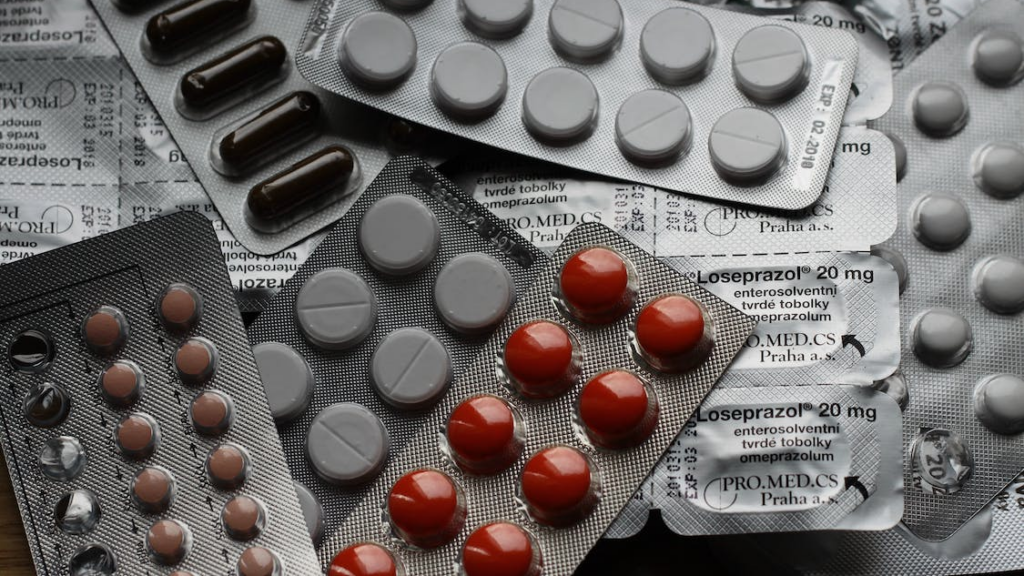
Some medications might as well come with a “may decrease your desire for bedroom adventures” warning label.
The usual suspects include:
- Antidepressants (SSRIs like Prozac or Zoloft)
- Antihypertensives (beta-blockers like Atenolol)
- Birth Control Pills
- Antipsychotics (Haloperidol)
- Anti-seizure medications (Tegretol)
But here’s the kicker: while the desire might wane, sometimes these meds are crucial for overall health or mental well-being. So, before considering a switcheroo, have a chat with your doctor.
Holistic Approaches to Boosting Libido
Sleep: The #1 Underrated Libido Booster
A rested body is a horny body. Poor sleep tanks testosterone, spikes cortisol, and murders dopamine. Medical News Today backs this: “Getting a good night’s sleep… may increase a person’s desire for sex,” with one observational study finding that an extra hour of sleep was associated with a 14% increase in the odds of intimacy
- 7–9 hours of quality sleep
- Dark, cool, gadget-free bedroom
- Consistent sleep/wake times (yes, even on weekends)
- Consider magnesium glycinate 30–60 min before bed
Make your bedroom a sleep haven. Wake Up, Feel the Love: A rested body is a responsive one.
Foods That Increase Sex Drive (Proven Aphrodisiacs + Everyday Winners)
“The way to a person’s heart is through their stomach. Aphrodisiacs couldn’t agree more!” – As per cultural wisdom echoed in Medical News Today.
Load your plate with these, supported by WebMD: Pomegranate juice boosts mood, blood flow, and testosterone.
Top libido foods
- Oysters, pumpkin seeds, red meat, Brazil nuts → sky-high in zinc & selenium
- Dark chocolate (70%+) → phenylethylamine + serotonin boost
- Watermelon, pomegranate, beets → boost nitric oxide and blood flow
- Avocados, olive oil, fatty fish → healthy fats for hormone production
- Maca root, ashwagandha, fenugreek, Tribulus terrestris → clinically shown to raise desire & testosterone
- Chili peppers, ginger, garlic → increase circulation and body temperature
- Almonds, walnuts → arginine → better erections and lubrication
Foods that quietly kill libido (limit or avoid)
- Excessive alcohol
- Processed meats & conventional dairy (synthetic hormones)
- Diet soda & artificial sweeteners
- High spearmint intake may lower testosterone.
- Very high soy intake may affect hormones.
- Trans fats & excessive sugar
Vitamins & Minerals That Directly Affect Sex Drive
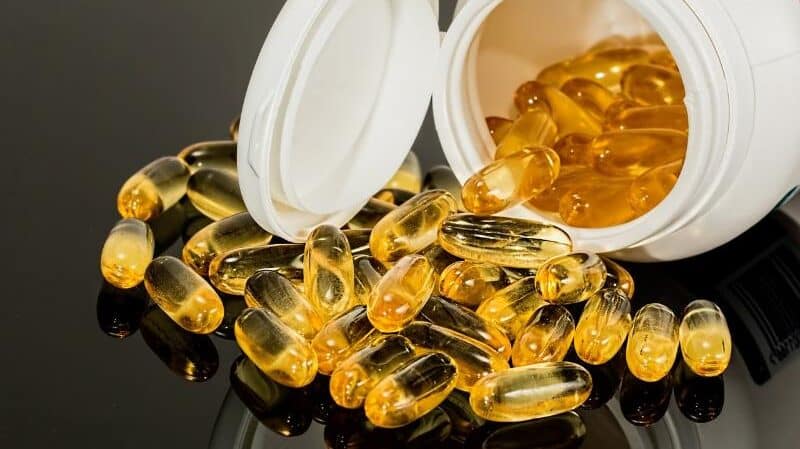
Vitamins aren’t a magic fix, but deficiencies are linked to reduced sexual function.
Zinc is an essential mineral required for sex hormones, like testosterone, to function properly.
| Nutrient | Role in Libido | Best Food Sources |
|---|---|---|
| Zinc | Testosterone & sperm/egg health | Oysters, beef, pumpkin seeds |
| Vitamin D | Testosterone + mood (especially bad in winter | Sunlight, salmon, supplements |
| Magnesium | Sleep, stress reduction, testosterone | Spinach, almonds, dark chocolate |
| Vitamin C | Blood flow & adrenal health | Citrus, bell peppers |
| B Vitamins | Energy & orgasm intensity | Eggs, liver, leafy greens |
| Omega-3s | Reduces inflammation, improves mood & flow | Wild salmon, sardines, flax |
Herbs & Supplements With Strong Evidence
“Tribulus terrestris… improves female sex drive by supporting testosterone levels,” per a recent study in Health & Her. Verywell Health adds:
Ginseng and vitamin E enhanced desire in menopausal women.
- Maca root → 1,500–3,000 mg/day (both sexes)
- Ashwagandha (KSM-66) → reduces cortisol, raises DHEA & desire
- Panax ginseng → improves erectile function & arousal
- Tribulus terrestris → raises desire in women, testosterone in men
- Fenugreek → 500–600 mg/day (increases free testosterone)
- L-arginine or L-citrulline → better blood flow & erections
REMEMBER always check with your doctor if you’re on medication. And herbal supplements tend to support libido indirectly through stress reduction, mood, circulation, and overall well-being rather than acting as direct hormonal replacements.
Lifestyle Changes That Move the Needle Fast

“Exercise may be one of the best natural libido boosters,” says Midi Health experts, citing improved circulation and self-esteem.
During exercise the release of endorphins… are responsible for this health benefit.
- Lift weights 3–4× week → natural testosterone surge
- High-intensity interval training (HIIT) or sprinting → dopamine + growth hormone
- Daily sunlight or full-spectrum light box (winter)
- Cold showers or ice baths → may temporarily boost alertness and mood
- Cut porn consumption if it’s become compulsive, as excessive use may reduce arousal for some people.
- Practice mindfulness or 5–10 min daily meditation → kills “spectatoring” anxiety during sex
Mindfulness & Sex: Stay Present, Feel Everything
“Mindfulness makes us more empathetic and understanding, which can make us better lovers and partners,” as per psychological insights from Everyday Health. Most sexual dysfunction worsens with mind wandering.
Practice:
- 5–10 minutes daily mindfulness (brushing teeth, eating, walking)
- During sex, focus only on sensations: temperature, pressure, breath, sounds
- Gently return attention when the mind drifts — no judgment Result: stronger arousal, easier orgasms, and way more pleasure.
Relationship & Emotional Hacks
Hoag’s Dr. Stephanie Faubion: “For women, one of the key drivers is emotional intimacy,” backed by research on mental turn-on.
- Schedule sex (yes, really — anticipation is rocket fuel)
- Non-sexual touch daily (hugging, massage, cuddling)
- Weekly date nights with phones off
- Talk about fantasies and desires openly (without pressure)
- After kids: trade babysitting with friends so you can actually be alone
Quick Wins You Can Do Tonight
- Eat 70%+ dark chocolate + strawberries
- Glass of red wine (1 for her, 2 max for him)
- 10-minute couples massage with coconut oil
- Put on a shared “sexy” playlist and slow dance
- Take magnesium + ashwagandha 1 hour before bed
- Turn off all screens 60 minutes before sleep
Winter Sex Drive – Unexpected Things That Affect It
It’s not just the cold that makes your body scream “noooooo!” at the possibility of sex. Winter adds sneaky culprits:
- Vitamin D deficiency
- Seasonal Affective Disorder (S.A.D.)
- Less social life
- Serotonin issues
- Cold and flu season
Well, there you have it! Five sneaky culprits that are messing with your winter sex drive!
When to See a Professional

If you’ve cleaned up diet, sleep, stress, and relationship issues for 6–8 weeks and still feel zero desire, get blood work:
- Total & free testosterone
- SHBG
- Thyroid panel
- Vitamin D
- Prolactin
- Estrogen/progesterone (women)
A functional medicine doctor or sexual health specialist can help. As Dr. Davison advises:
Women who are distressed by low libido should seek medical advice from someone with expertise.
Your sex drive isn’t broken — it’s just sending you a message. Listen to it, give your body what it actually needs (sleep, nutrients, movement, connection, pleasure without pressure), and watch desire come roaring back.
Desire ebbs and flows, much like the tides. Recognizing a low tide is the first step to guiding it back to shore.
You don’t need a miracle pill. You need a lifestyle that says “I’m worth feeling amazing.”
And sometimes that includes giving yourself permission to explore pleasure tools — from simple vibrators to fully interactive sex toys — as a safe, pressure-free way to reconnect with your own desire.
Here’s to hotter, happier, healthier sex in 2026 and beyond.
Improving sex drive is a journey — not a switch. Small shifts in lifestyle, sleep, diet, stress, and emotional connection make the biggest impact. You don’t need perfection. You just need consistency, curiosity, kindness toward yourself — and a willingness to explore what turns you on, whether that’s deeper emotional intimacy or trying a new toy that helps you feel good in your body again.
Desire returns when your body and mind feel safe, energized, rested, connected — and open to pleasure in all its forms.
Libido FAQs
Sudden low libido is almost always caused by stress, lack of sleep, medication changes, hormonal shifts, or emotional overload. When your body is exhausted or stressed, desire shuts off instantly.
Improve sleep, lower stress, move your body daily, eat circulation-boosting foods, get sunlight or vitamin D, and reintroduce sexual stimulation gently until your desire returns.
Vitamin D, magnesium, zinc, B vitamins, iron, and vitamin E are the most effective because they support hormones, mood, blood flow, energy, and overall sexual function.
Yes. High cortisol shuts down your brain’s arousal system. When stress stays high, your body prioritizes survival instead of sexual desire.
Yes. Sex toys increase blood flow, improve sensitivity, reduce pressure or anxiety, and help your body “reactivate” arousal even when desire feels low.
Final Thoughts on Sex Drive
Improving libido isn’t about chasing a quick fix, it’s about supporting your body, calming your nervous system, and creating space for pleasure to return without pressure. When you prioritize sleep, nourishment, movement, emotional connection, and curiosity, desire tends to follow in its own time. Your sex drive isn’t failing you; it’s giving you feedback. Listening to it with patience and kindness is often what brings it back.
If exploring pleasure feels like a helpful part of that journey, thoughtfully designed options like Lovense sex toys can offer a gentle, pressure-free way to reconnect with your body and desire.
Want More Reads?
- Prostate Massager for Health: Improve Your Well-Being with a Smile
- Diversity in Women’s Sexual Health—International Women’s Day
- Sperm Health: Learn What Makes Your Swimmers Suffer