Have you ever caught yourself feeling extra flirty or just horny at certain points in the month – suddenly you’re noticing little things that spark your interest way more? If that sounds familiar, you’re in good company. Plenty of women notice their sex drive picks up right around ovulation. It’s one of those quiet body signals that can surprise you at first, but once you connect the dots, it feels like “oh, that makes sense.”
We’ll walk through it together – straightforward about what’s going on and how to make sense of it. By the end, you’ll have a better handle on your own patterns and maybe even feel more in tune with what your body is trying to tell you.
Table of Contents
- What Ovulation Actually Looks Like
- The Hormone Party That Fuels the Spark
- How This Shows Up Day to Day
- Spotting Your Own Patterns and What to Do About It
- Busting Common Myths About Ovulation and Desire
- Quick FAQs About Ovulation and Desire
- Latest Wins in Sexual Health
- Wrapping It Up Ovulation Sex Drive
- Want More Reads?
What Ovulation Actually Looks Like
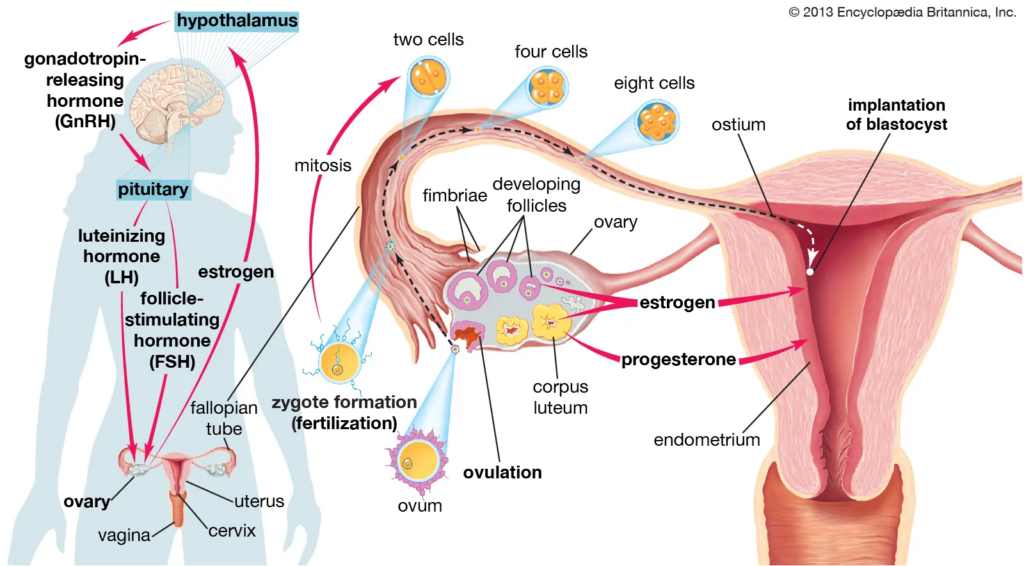
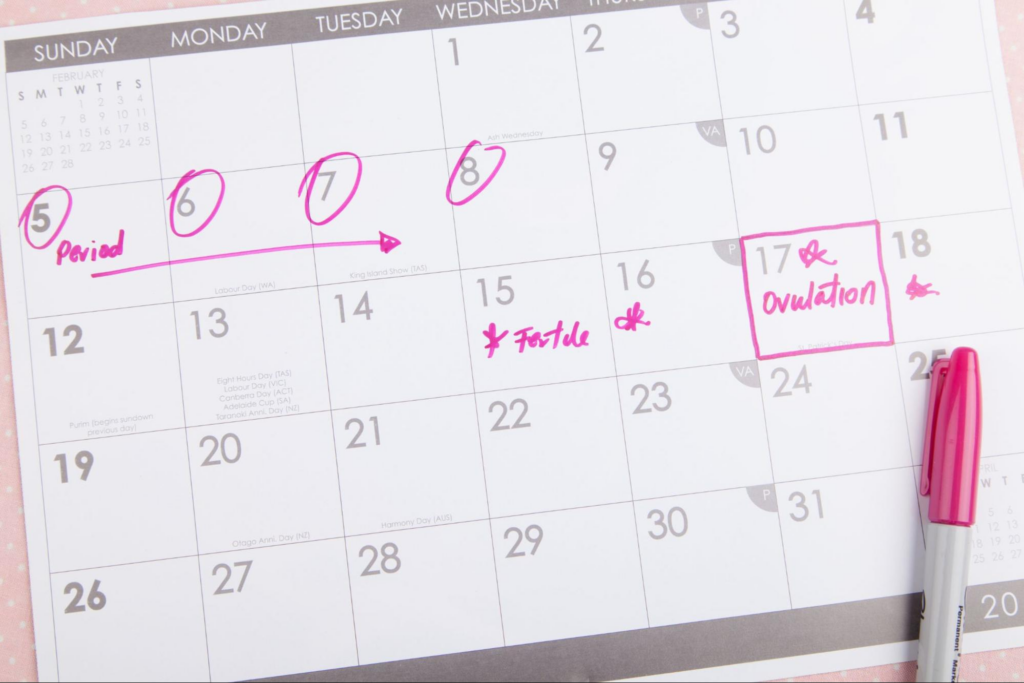
Your menstrual cycle is basically your body’s monthly reset, usually lasting 28 to 32 days, though it can swing shorter or longer depending on the person. It kicks off on day one of your period, and somewhere in the middle—often around day 14 in a textbook 28-day cycle, but really anywhere from day 11 to 21—ovulation happens. That’s when one of your ovaries releases a mature egg into the fallopian tube.
The egg only hangs around for about 24 hours, but sperm can wait inside for up to five days, so the “fertile window” stretches to roughly six days total: the five leading up to ovulation plus the day of. If no fertilization occurs, the egg breaks down, and the uterine lining sheds with your next period. Simple biology, right? But this short window comes with noticeable changes because your body is primed for potential pregnancy, even if that’s not your goal.
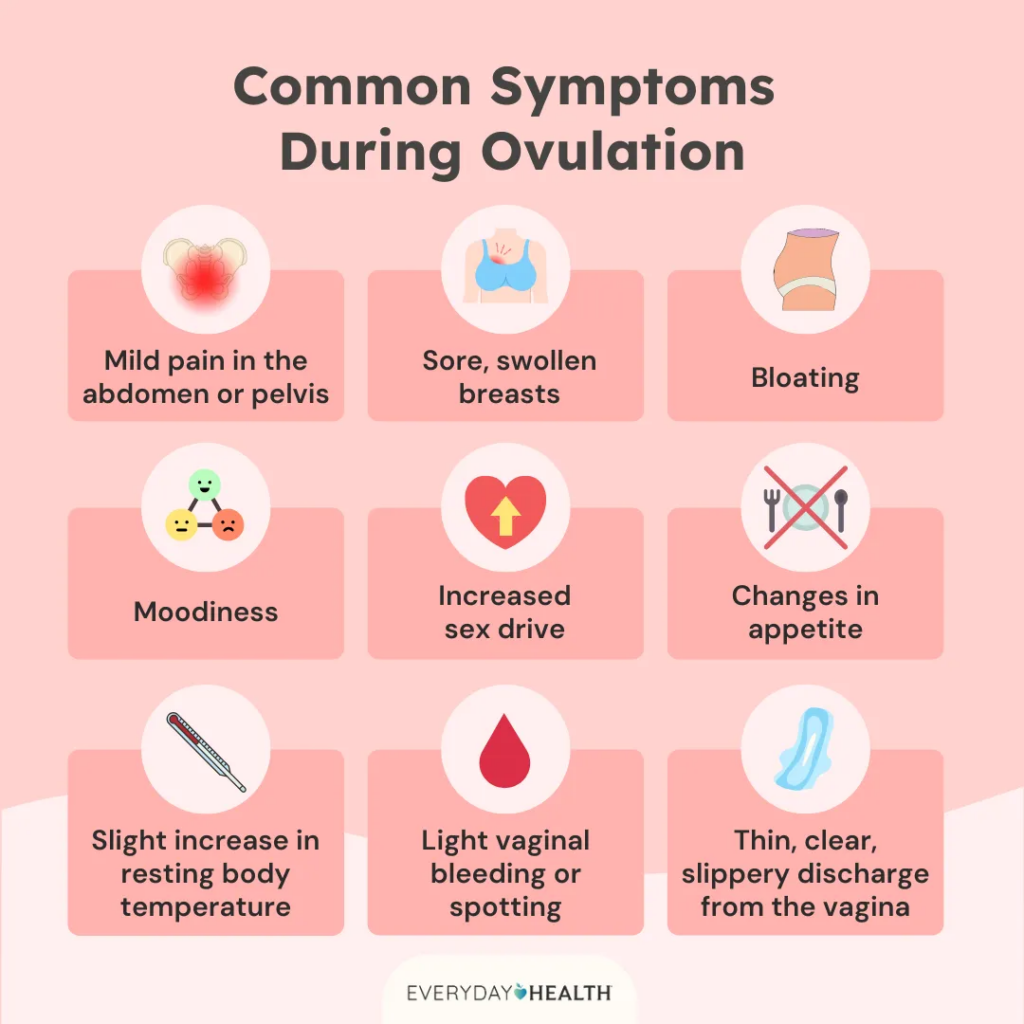
People often pick up on physical hints first. Here are some common ones many notice:
- Cervical mucus turns clear, slippery, and stretchy (like raw egg whites) to help sperm travel easier
- A quick, one-sided twinge or cramp in the lower belly (mittelschmerz for some)
- Slight rise in basal body temperature after ovulation (tracked with a special thermometer)
- Mild breast tenderness or swelling
- A bit more bloating or water retention
- Heightened senses, like noticing smells or tastes more strongly
- Light spotting in rare cases from the follicle releasing the egg
These clues vary a ton from person to person and even cycle to cycle. Stress, travel, or diet tweaks can shift timing, so tracking over a few months helps you spot your unique rhythm. Apps or simple notes on your phone work well—no fancy setup required unless you enjoy it.
The Hormone Party That Fuels the Spark
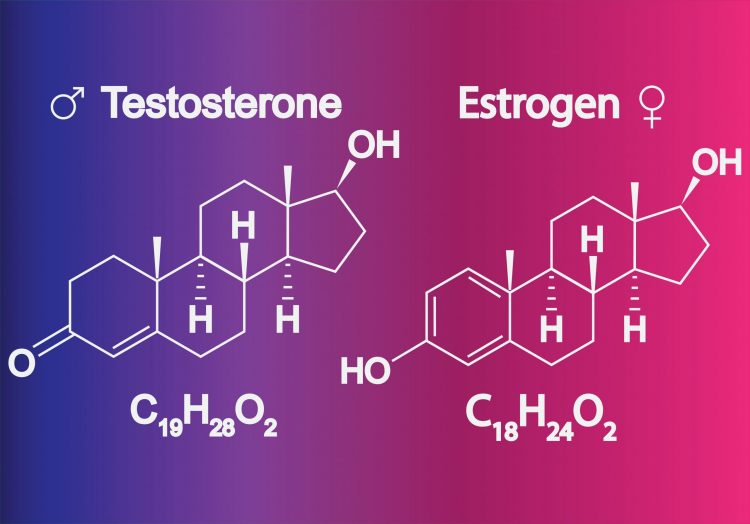
Hormones run the whole show, and around ovulation, they create a perfect storm that often boosts desire. Estrogen climbs steadily in the first half of your cycle (follicular phase), building up the uterine lining and getting follicles ready. It peaks right before the egg releases, which can make you feel more sensitive, lubricated, and generally “in the mood.”
Then comes the luteinizing hormone (LH) surge—it’s the trigger that makes the egg pop out within 24-36 hours. This quick jump adds to the arousal for many. Testosterone chips in too; even though women make less of it, a small mid-cycle rise can nudge sexual thoughts and energy higher. After ovulation, progesterone steps up to support any potential pregnancy, and for a lot of people, that shift cools desire down—often noticeably in the luteal phase.
These aren’t huge dramatic swings for everyone, but when they align, the effects can feel intense.
Diary studies tracking women daily (including recent ones from 2024-2025) have shown clear patterns: general sexual motivation, thoughts about intimacy, and even starting closeness more often climb during the fertile stretch. Some research also notes that energy metabolism shifts with estrogen’s peak, leaving you with more vitality overall—which can spill over into wanting connection. Here’s a simple overview of how the main hormones move:
| Hormone | Early Cycle (Follicular) | Near Ovulation (Peak) | After Ovulation (Luteal) | Main Effect on Desire |
|---|---|---|---|---|
| Estrogen | Rising steadily | Highest peak | Drops, then modest rise | Boosts sensitivity, lubrication, mood/energy |
| LH | Low | Big surge (24-36 hrs before egg release) | Low | Triggers ovulation + adds to arousal spike |
| Progesterone | Low | Low | Rises high | Often cools desire after fertile window |
| Testosterone | Steady/low | Small mid-cycle bump | Steady/low | Nudges drive and confidence |
How This Shows Up Day to Day
The lift in drive doesn’t always land exactly on ovulation day; it often builds over a few days before and might linger a bit after. You could notice yourself being more playful, reaching out to a partner first, or just having more fantasies pop up. Confidence might show up too—some feel their skin looks brighter or they carry themselves differently.
Many report feeling more attractive overall during this phase: glowing skin from better blood flow, a radiant vibe, or even subtle changes like softer features or more expressive body language. Research has found that third-party ratings (like men viewing photos) sometimes pick up on this increased attractiveness mid-cycle, tied to higher estrogen widening blood vessels and boosting facial color subtly. It’s like your body puts on a quiet glow-up.
Physical perks tie in: more natural lubrication, heightened touch sensitivity, and sometimes stronger attraction to scents or voices. It’s like the body fine-tunes itself for closeness when timing is “right.” But it’s not constant—some cycles feel subtle, others more intense, and hormonal birth control often flattens these ups and downs by keeping levels steady, so you might not notice much variation.
Other things can dial it up or down: good sleep and low stress might amplify it, while fatigue or anxiety can mute the signal. If you’re single or in a casual setup, the surge might show up as more solo interest; in a relationship, it could mean more date-night vibes.
Looking at the bigger picture
This mid-cycle pattern likely helped keep the species going. When fertility is highest, a natural nudge toward intimacy raises conception chances. It’s not something you’re consciously plotting—it’s just how the hormonal setup encourages behaviors that match biology’s goals.
Spotting Your Own Patterns and What to Do About It

To figure out how this plays out for you, start paying attention over a couple of cycles. Log when that extra pull shows up, along with any matching signs like mucus changes or energy boosts. Here’s a quick comparison of tracking methods:
| Method | How It Works | Pros | Cons | Best For |
|---|---|---|---|---|
| Calendar/Period App | Mark period start, note symptoms daily | Free, easy, builds patterns fast | Less precise for exact ovulation | Beginners, general awareness |
| Basal Body Temperature | Measure temp first thing every morning | Confirms ovulation after it happens | Requires consistent routine | Confirming fertile window |
| Ovulation Predictor Kits (OPKs) | Pee sticks detect LH surge | Pinpoints ovulation 24-36 hours ahead | Costs add up, can miss short surges | Trying to conceive or avoid |
| Cervical Mucus Check | Observe daily changes in discharge | Free, natural body signal | Takes practice to interpret | Combining with other methods |
Mix a couple from the table above for better accuracy. Desire often peaks in the fertile window but drops post-ovulation as progesterone rises—many notice a clear contrast between the energetic, interested phase and the calmer (or even sluggish) luteal days.
If the heightened drive feels too much sometimes, try channeling it: hit the gym, dive into a hobby, or talk openly with a partner about timing fun moments. Embracing it can strengthen bonds or just feel good on your own terms.
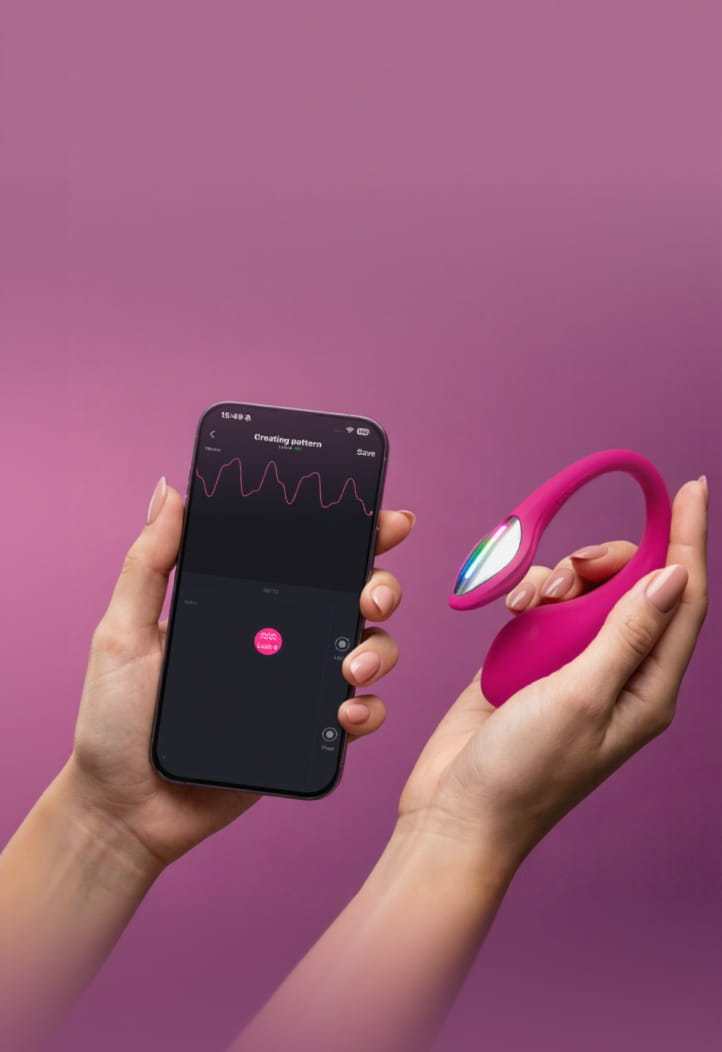
When it leans toward solo energy, many find gentle self-exploration helpful. A discreet arousal booster, a light internal vibrator, or a gentle dual-stimulation toy can tune into the extra sensitivity and make things feel even more enjoyable during those peak days. These are just optional tools some people reach for—no pressure, always about what feels comfortable and right for you.
If desire stays consistently low, or other symptoms worry you (like irregular cycles), a quick chat with a doctor can check for imbalances or other factors. Most fluctuations are normal, though.
Busting Common Myths About Ovulation and Desire
Let’s clear up some of the misconceptions that pop up a lot—there’s plenty of outdated or oversimplified stuff floating around, and it can make things confusing. Here’s a straightforward list of the big ones, with the real deal based on what studies actually show:
- Myth: Women’s sex drive is always lower than men’s.
- Reality: Men’s testosterone stays higher consistently, but women’s can spike sharply during ovulation (15–40 ng/dL bump), creating intense, short-lived peaks that often feel stronger than a typical male baseline in those fertile days. It’s different patterns, not “always lower.”
- Myth: Ovulation guarantees amazing sex every time.
- Reality: Many get extra lubrication, sensitivity, and easier orgasms, but others face cramps (mittelschmerz), tenderness, or bloating that reduce comfort. Frequency does rise—intercourse ~20–30% more likely in fertile days—but enjoyment varies a lot.
- Myth: Men can easily tell when you’re ovulating.
- Reality: Subtle cues (scent, voice, confident vibe) might register unconsciously, and partners often notice behavioral changes (more flirtatious). But studies are mixed—no reliable “superpower” detection.
- Myth: No libido surge during ovulation means something’s wrong.
- Reality: Totally normal not to feel it. Stress, birth control, antidepressants, sleep issues, or perimenopause can dampen the hormonal ups and downs. Your experience is valid either way.
- Myth: High libido = super fertile (or low = infertile).
- Reality: Desire often aligns with peak fertility timing, but conception depends far more on egg/sperm quality and other factors. A surge is common in fertile cycles, but its absence doesn’t mean problems.
Quick FAQs About Ovulation and Desire
Some subtle cues—like changes in scent, voice, or that glow—might register unconsciously, but it’s not like a neon sign. Studies show mixed results, but many partners notice behavioral shifts (more flirtatious, confident vibe).
For many, yes—more lubrication, sensitivity, and sometimes easier orgasms from the hormonal boost. But ovulation pain or tenderness can make it less comfortable for others.
It’s one clue among many, but not a guarantee—other factors like egg quality matter more. Still, the uptick aligns with peak fertile time.
Totally normal. Not everyone notices, especially on birth control or with high stress. Your experience is valid either way.
Latest Wins in Sexual Health
The last couple of years have delivered real progress in sexual health, especially for cycle-related desire and ovulation dynamics.
- A 2025 WHO study found 1 in 20 people quit contraception due to libido-lowering or discomfort side effects, spotlighting the demand for options that preserve natural hormonal surges like those during ovulation.
- In 2025, the FDA approved several new treatments for pelvic and sexual wellness, including non-hormonal arousal boosters and menopause-focused solutions that ease dryness—helping maintain sensitivity and drive even as cycles shift in midlife.
Looking ahead to 2026:
- Animal research (e.g., on medaka fish) is mapping neural pathways linking ovulation to sexual receptivity, revealing brain-ovary connections that could lead to targeted human therapies.
- New diary studies confirm a clear drop in sexual motivation during the mid-luteal implantation window—beyond just progesterone, it may act as a protective shift against infection risks post-ovulation.
These developments offer more tools and understanding, making it easier to support desire through all cycle stages. Staying in the loop means better choices for your own body.
Wrapping It Up Ovulation Sex Drive
Bottom line: that mid-cycle boost in sex drive often ties back to estrogen peaking, LH surging, and a touch of testosterone helping out. It can leave you feeling more alive, sensitive, connected, and even a bit more attractive—and noticing it gives you insight into your own patterns.
Your cycle isn’t something to battle; it’s useful info. Lean into what feels right, communicate if you’re with someone, and know that variation is normal—some months brighter, some quieter. Paying attention builds self-awareness, and that alone can make the monthly flow smoother and more enjoyable. You’ve got this.
Want More Reads?
- Struggling With Low Sex Drive? Here’s the Holistic Guide That Actually Works
- 8 Sexually Healthy Foods to Nurture Your Natural Drive
- Sex and Weight Loss – How Obesity Affects Your Sex Drive
- Period and Ovulation Calculator