The phrase “used sex toys” sparks instant confusion, curiosity, and sometimes alarm. It’s one of those search terms that people type quietly, half expecting their browser to judge them. But it’s also a term packed with misunderstandings. When someone says “used,” they might not mean what you think. They could be talking about returned items, second-hand toys, shared toys, rented machines, or simply trying to understand resale policies in the adult industry.
This article breaks down each meaning of “used,” explores real-world behavior, looks at what manufacturers and retailers actually do behind the scenes, and explains when—if ever—buying a “used” toy makes sense.
Whether you’re here out of curiosity, budgeting concerns, safety questions, or just because you fell into the rabbit hole of Reddit threads, this guide will give you a grounded, clean, and nuanced understanding of a topic people rarely talk about openly.
Why the Term “Used Sex Toys” Is so Misunderstood
“Used” is an umbrella term, and people throw it around without defining it. In the adult-product world, “used” can refer to at least five different scenarios:
- Returned items (refunds, defects, or warranty claims)
- Lightly used toys sold or traded between individuals
- Shared toys used by couples or groups
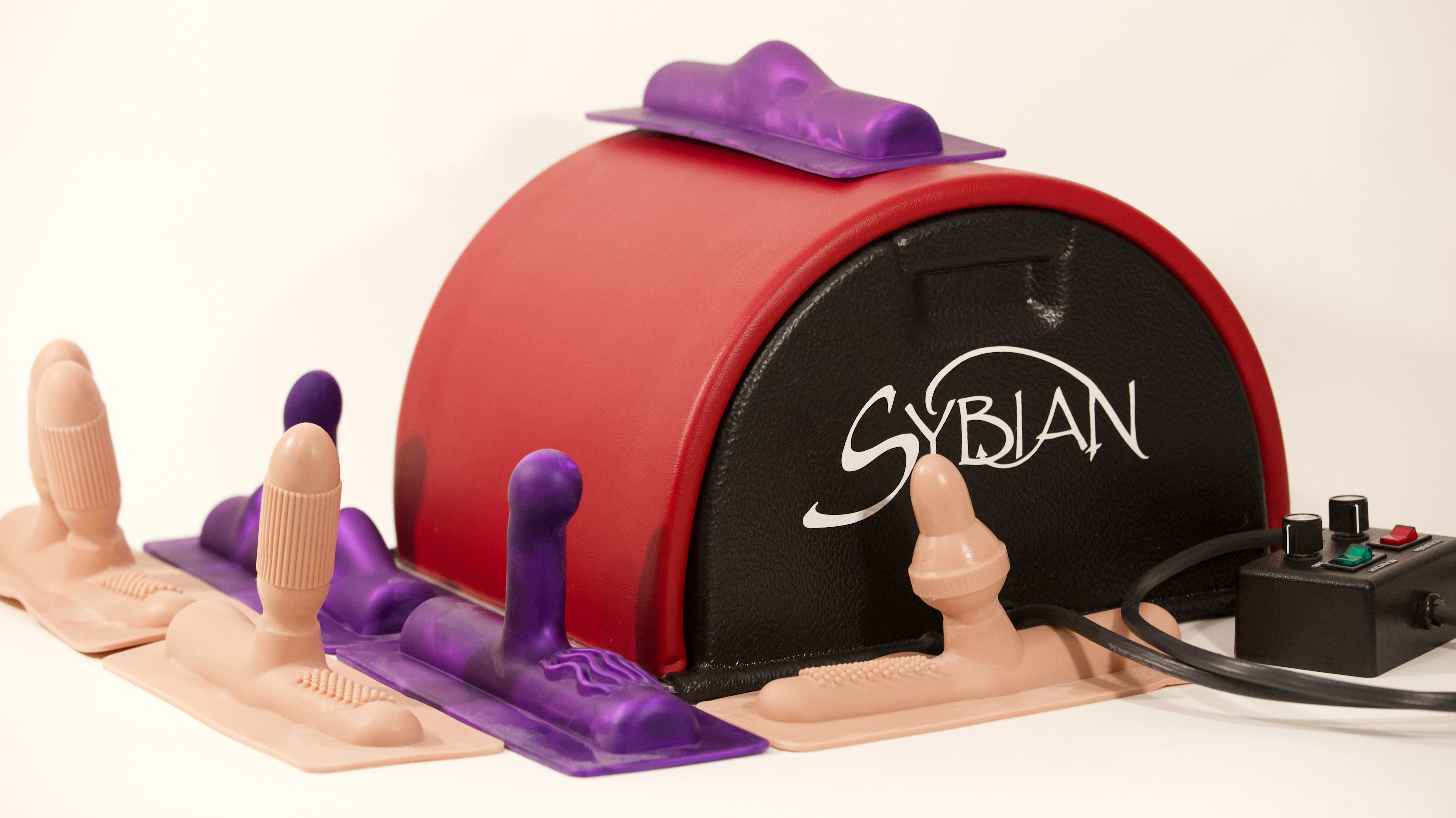
- Rented toys (machine rentals, dungeon gear, Sybian-style equipment)
- Factory refurbished products where motors or electronics are replaced
Each of these categories carries wildly different hygiene, safety, and legal considerations. And the truth is this: when most people search for information about “used sex toys,” they’re not necessarily looking to buy one. They’re trying to understand what happens to returns. Or, wondering whether companies resell items that should be destroyed. They’re worried about unwanted germs. Or they want a discount and think “used” is synonymous with “cheaper.”
So before answering whether people actually buy second-hand sex toys, we have to define the categories.
What “Used” Actually Means in the Sex Toy Industry
1. Returned Items (Refunds, Warranty Claims, Open-Box)
When someone returns a sex toy to a retailer, what happens next?
Most reputable companies—including nearly all major brands—follow strict health and hygiene policies. Once a product has left the warehouse and has even the possibility of touching genitalia, it cannot be restocked or resold. Even if the buyer claims they “never used it.” Or if it looks untouched. Even if it’s been opened only once.
Returns fall into three subcategories:
- Unopened, untampered-with boxes
These may be placed back into inventory if the seal is fully intact and it can be 100% verified that the product was never handled. - Opened boxes, unused items
These are typically destroyed because there’s no guarantee of hygiene. - Opened and used items
Legally and ethically, these cannot ever be resold.
Despite this, many consumers mistrust retailers and fear companies quietly resell returned toys. Legitimate retailers simply don’t—because the legal liability alone is enormous, and the industry’s hygiene regulations make such behavior impossible to sweep under the rug.
If you’re wondering what happens to returns, the answer is simple: they are destroyed, recycled, or disposed of according to safety guidelines.
2. Second-Hand Toys Sold Between Private Individuals
This is the classic meaning of “used sex toys.” People selling their items on marketplaces, in kink communities, on Craigslist, or in private groups.
Does it happen?
Yes.
Is it common?
Not really.
Sales between individuals are usually driven by:
- Budget constraints (high-end toys can be expensive)
- Curiosity about specific brands without paying full price
- Collectors seeking rare, discontinued items
- People in kink communities who trust each other
- Toys that never really “fit,” leading owners to re-home them
When private sales happen, they are almost always done quietly and with caution.
But should you buy used toys from strangers?
That depends heavily on the material:
- Non-porous materials (medical silicone, stainless steel, glass)
These can technically be sanitized if no cracks or damage are present. However, it still requires trust in the seller. - Porous materials (TPE, rubber, jelly, cyberskin)
These cannot be sanitized in a medically safe way. They permanently hold bacteria. These should never be used second-hand. - Motorized toys with fixed silicone parts
Hard to fully sanitize. Not recommended.
Even if buying a used toy from an individual is possible, it’s rarely advisable unless you know the person well, understand the materials, and can inspect the item thoroughly.
3. Shared Toys (Couples, Polycules, Play Parties)
Sharing sex toys isn’t the same as buying used ones, but it does fall under the broader umbrella of “multi-user toys.”
Couples, throuples, polycules, and kink communities often share toys during:
- Play parties
- BDSM scenes
- Threesome or group intimacy
- Long-term relationships
But “shared” isn’t “used.” The difference is control.
Shared toys happen in contexts where:
- Everyone consents
- Partners know the toy’s history
- Safety protocols are followed
- Cleaning happens immediately before/after use
- Condoms or barriers may be used for insertable toys
In these scenarios, hygiene is manageable because trust and communication exist. But this sharing behavior still contributes to the public confusion around what “used” actually means.
4. Sex Toy Rental Services (Machines, Sybians, Dungeon Gear)
Yes—rentals exist.
But sex toy rentals do not work the way people imagine. You can’t rent a vibrator or a dildo like you might rent a carpet cleaner. Instead, rentals usually focus on:
- Sybian-style ride-on machines
- Fetish furniture
- Dungeon equipment
- Impact or bondage gear
- Sex machines with detachable penetrative parts
Professional rental companies or BDSM dungeons sanitize equipment to medical standards. They typically:
- Replace all user-contact materials between renters
- Use hospital-grade disinfectants
- Provide disposable barriers
- Follow strict handling protocols
Rentals target:
- Event organizers
- Bachelorette parties
- BDSM clubs
- Kink enthusiasts
- Sex educators
They are part of the industry but unrelated to reselling returned consumer toys.
5. Refurbished or Factory-Serviced Products
Some companies offer refurbished electronics—usually motors, remotes, or vibrators with:
- Fully replaced silicone sleeves
- New housings
- Replaced battery components
- New charging ports and cables
These are not considered used because any part that could touch the body is replaced with new material. They are closer to “factory refreshed products” in other industries.
They appear when brands discontinue a color or model and wish to repurpose working internal components.
Do People Actually Buy Used Sex Toys? The Data and Reality
The short answer: Not many.
The longer answer: Search interest doesn’t equal purchasing behavior.
People search “used sex toys” for these reasons:
- To understand return policies
- To see whether companies resell returned products
- To find cheaper alternatives to premium toys
- To check if buying second-hand is safe
- To satisfy curiosity about taboo topics
- Because of viral stories about second-hand toy scandals
- Out of shock value or humor
Actual purchase behavior, outside of niche communities, is low.
General Consumers Avoid Used Toys
Most people feel uncomfortable using something designed for intimate contact if it belonged to someone else. Hygiene anxiety is real and valid. Even with non-porous materials, complete trust is required.
Groups Where Used Toys Are More Common
- Collectors seeking rare or discontinued models
- People in kink communities who share space, trust each other, and sanitize properly
- People seeking high-end brands at prices they can afford
- Couples who upgrade and re-home items within their private circles
But outside these groups, the average person prefers new products for hygiene, psychological comfort, and warranty reasons.
Which Types of Used Toys Might Actually Be Safe?
Safety depends on:
- Material
- Condition
- Source
- Your comfort level
- Proper cleaning protocols
1. Non-porous Materials
Items made from:
- Medical-grade silicone
- Tempered glass
- Stainless steel
- Hard, sealed ABS plastic
can be sanitized if:
- They are free of cracks
- There are no scratches that trap bacteria
- Motors are separate from insertable parts
- The seller is trustworthy
These materials do not absorb bodily fluids.
2. Porous Materials
Anything that absorbs moisture is unsafe to buy second-hand:
- Jelly toys
- Rubber
- Cyberskin
- TPE/TPR
- Older vibrators with soft-touch coatings
These can harbor bacteria, mold, or viruses even after washing. They should never be purchased used.
3. Toys With Removable Heads or Sleeves
Some wand massagers or power tools have detachable silicone heads. These can be replaced with brand-new parts, making the device itself safe. This is common in refurbished products.
Hygiene and Ethical Considerations
When it comes to used or shared toys, consider:
Hygiene Risks
- Bacterial infections
- Yeast infections
- STIs depending on materials
- Allergic reactions to someone else’s lubricant or cleaner residue
- Micro-tears in silicone that aren’t visible
Ethical Considerations
- Transparency about a toy’s history
- Whether the seller stored it properly
- Consent (especially in shared scenarios)
- Respect for personal boundaries
- Comfort of the new user
A “bargain” is never worth compromising safety.
Why People Think Stores Resell Returned Sex Toys
Some of the confusion comes from general retail behavior. Stores in other industries do resell returns, open-box items, and lightly used electronics. So consumers assume the same must be true for sex toys.
However, the adult industry follows stricter health guidelines. It doesn’t matter if the item was:
- Probably unused
- Maybe opened only once
- Likely never touched anything intimate
If the seal is broken, the item is usually destroyed. This is both policy and legal protection.
Alternatives to Buying Used Sex Toys
If someone is searching for “used sex toys” because of budget, there are safer and more reliable options.
1. Clearance or Discontinued Colors
Many companies offer sales for older versions or unpopular colors.
2. Holiday Discounts
Black Friday, Valentine’s Day, and Pride Month are major sale periods.
3. Factory Refurbished Electronics
Only if the brand clearly states that all user-contact materials are replaced.
4. Sales on Older Models
A version that came out three years ago is often significantly cheaper but still new.
5. “Scratch and Dent” Non-Insertive Products
Items like:
- wands with removable silicone heads
- wearable toys
- couples massagers
- toys with external-only stimulation
These often sold at a discount if the box is damaged or the housing has cosmetic imperfections. These are safe because the user-contact part is new or replaceable.
The Sex Toy Rental Industry: What People Don’t Realize
Most rental services operate more like professional equipment rentals than consumer-to-consumer sharing.
What Gets Rented
- Sybian-style machines
- Saddle vibrators
- Fuck machines
- Sex swings
- Bondage furniture
- Restraints
- Crosses, benches, racks
Who Rents Them
- Dungeon owners
- Kink event organizers
- Bachelorette parties
- Adult retreats
- Photography studios
- Educators running workshops
Why Rentals Are Not “Used Toys”
All insertable components are either:
- disposable
- brand-new
- completely removable and replaced between clients
And the machines themselves never make body contact. This part of the adult industry is hygienic, regulated, and handled professionally.
Should You Ever Buy or Use a “Used” Sex Toy?
When It Might Be Acceptable
- The toy is made of non-porous materials
- You know the seller personally
- You can inspect the item
- You understand proper cleaning and sanitizing
- You feel comfortable with the item’s history
When You Should Avoid It
- Porous materials
- Unknown sellers
- Motorized toys with fixed silicone heads
- Items with scratches or cracks
- Toys sold suspiciously cheap
- Items from anyone refusing to answer basic questions
Better Options
- Brand sales
- Clearance items
- Refurbished products
- Verified outlet stores
- Buying older generations of popular toys
These options offer better value without compromising safety.
Final Thoughts: Why the Topic Matters More Than People Admit
The question “Do people buy used sex toys?” is really a series of deeper questions:
- How do returns work in the adult industry?
- What materials are safe to reuse?
- Why do people search for cheaper options?
- How do kink communities handle multi-user toys?
- What happens to defective or unwanted items?
- Do companies act ethically?
And the subtle truth is:
Most people aren’t actually trying to buy a used sex toy. They’re trying to understand the policies, safety rules, or real-world practices behind the scenes. Sexual health, trust, hygiene, budgeting, safety, and curiosity all collide in this topic. Breaking it down clearly helps consumers make informed, confident, and safe choices.
Check out Lovense’s new, app-controlled sex toys

Want More Reads?
- How to Save Money on Sex Toys: Up to 50% Off with Lovense Tips & Discount Codes
- The Ultimate Guide to Scoring Free Sex Toys: Insider Tips and Tricks
- How to Clean Sex Toys: The Ultimate Guide for Safe & Hygienic Play