This article is for general informational purposes only and is based on publicly available health information. It is NOT medical advice, a diagnosis, or a treatment plan. Sexual health conditions can have complex physical, psychological, and hormonal causes. Always consult a qualified medical professional (urologist, gynecologist, sexual health specialist, or therapist) for personal concerns.
The term “sexual disorders” (also called sexual dysfunctions) covers a wide range of conditions that affect sexual desire, arousal, orgasm, ejaculation, or cause pain or distress during sexual activity. Below are some of the most commonly discussed sexual disorders and conditions, their possible causes, common myths, and evidence-based treatment directions.
Table of Contents
- 1. Anorgasmia – Difficulty or Inability to Orgasm
- 2. Sexual Aversion Disorder
- 3. Anejaculation – Inability to Ejaculate Semen
- 4. Sexsomnia (Sleep Sex)
- 5. “Dead Vaginal Syndrome”
- General Tips for Sexual Health & When to Seek Help
- Closing Thoughts on Sexual Disorders
- Want More Reads?
1. Anorgasmia – Difficulty or Inability to Orgasm
Persistent difficulty reaching orgasm despite adequate sexual stimulation. Can be primary (never experienced orgasm), secondary (lost the ability), situational (only with certain partners/activities), or generalized (all the time).
Common causes
- Psychological: stress, anxiety, guilt, trauma, relationship issues
- Medical: SSRI antidepressants, multiple sclerosis, Parkinson’s disease, diabetic neuropathy, spinal cord injury, hysterectomy (especially with ovary removal), hormonal imbalances (Source)
- Other: certain medications, excessive alcohol/opiate use
Myth “It’s always the partner’s fault.” → False; many cases are medical or psychological and unrelated to partner skill.
Treatment approaches (always under medical guidance):
- Addressing underlying conditions
- Directed masturbation training
- Sex therapy or cognitive-behavioral therapy
- Medication review or hormone therapy
- Stress management, mindfulness, couples counseling (Source)
2. Sexual Aversion Disorder
Extreme fear, anxiety, disgust, or avoidance of sexual contact (can range from mild discomfort to panic attacks or vomiting at the thought of sex).
Common causes
- Past sexual trauma or abuse
- Strict religious/upbringing views that label sex as “dirty”
- Severe anxiety disorders
- Side effects of certain medications
Treatment approaches
- Trauma-focused therapy (EMDR, CBT)
- Gradual desensitization (only with experienced therapists and never forced) (source)
- Medication adjustment
- Couples therapy and sex therapy
- Setting clear boundaries or temporary abstinence until comfortable (source)
3. Anejaculation – Inability to Ejaculate Semen
No expulsion of semen at orgasm (orgasm can still feel pleasurable). Can be primary, secondary, situational, or total.
Common causes:
- Neurological conditions (MS, Parkinson’s, diabetes, spinal injury)
- Retrograde ejaculation (semen goes into bladder)
- Pelvic or prostate surgery
- Certain medications (alpha-blockers, antidepressants)
- Performance anxiety(source)
Treatment approaches
- Medication review or change
- Penile vibratory stimulation
- Electroejaculation (medical procedure under anesthesia)(Source)
- Sperm retrieval + assisted reproduction if fertility is desired
4. Sexsomnia (Sleep Sex)
Performing sexual acts (masturbation, fondling, initiation of intercourse) while fully asleep with no memory afterward. Classified as a parasomnia.
Common triggers
- Sleep apnea, sleepwalking history
- Stress, alcohol, sleep deprivation
- Certain medications or neurological conditions
Management
- Excellent sleep hygiene
- Treating underlying sleep disorders (e.g., CPAP for apnea)
- Stress reduction
- Separate sleeping arrangements or bedroom alarms when needed
- Medication (benzodiazepines or antidepressants) in severe cases (source)
5. “Dead Vaginal Syndrome”
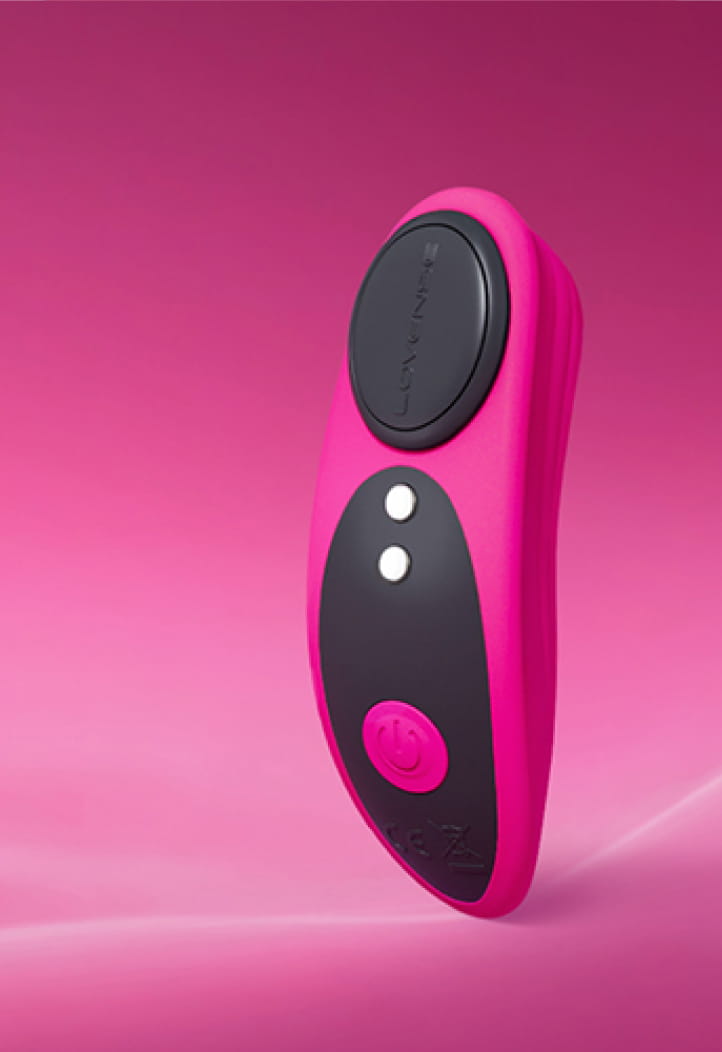
This is thought to be permanent desensitization from vibrators.
Reality check: This is largely a myth.
- Temporary numbness from prolonged or intense vibration is real (just like holding a phone on vibrate too long makes your hand tingly), but sensation returns within minutes to an hour.
- Persistent inability to orgasm or feel pleasure almost always has another cause (hormonal changes, medication, anxiety, infection, menopause, neurological issues, etc.).
- Vibrators remain medically endorsed as safe and often helpful for sexual health when used appropriately, with no evidence of long-term desensitization.
If something feels “off” with your sexual health, reach out to a qualified healthcare provider. You deserve pleasure, intimacy, and answers — and effective help is available today.
General Tips for Sexual Health & When to Seek Help
- Track patterns (periods, partners, symptoms, medications) – apps or journals can help discussions with doctors.
- Routine STI screening and gynecological/urological check-ups are recommended for sexually active adults.
Many sexual difficulties improve with:
- Lifestyle changes (exercise, sleep, reduced alcohol)
- Stress and relationship work
- Switching medications that have sexual side effects
- Pelvic floor physical therapy
- Evidence-based sex therapy
Red flags that warrant prompt medical attention:
- Sudden onset of symptoms
- Pain during sex
- Symptoms accompanied by neurological changes, incontinence, or numbness
- Significant distress or relationship impact
Sexual disorders are extremely common — studies suggest 30–50% of adults experience some form of sexual concern in their lifetime. Most are highly treatable when properly diagnosed.
Closing Thoughts on Sexual Disorders
Experiencing a sexual disorder does not mean something is “broken” or that satisfying sex is off the table forever. With the right diagnosis and treatment, the majority of people see significant improvement or full resolution.
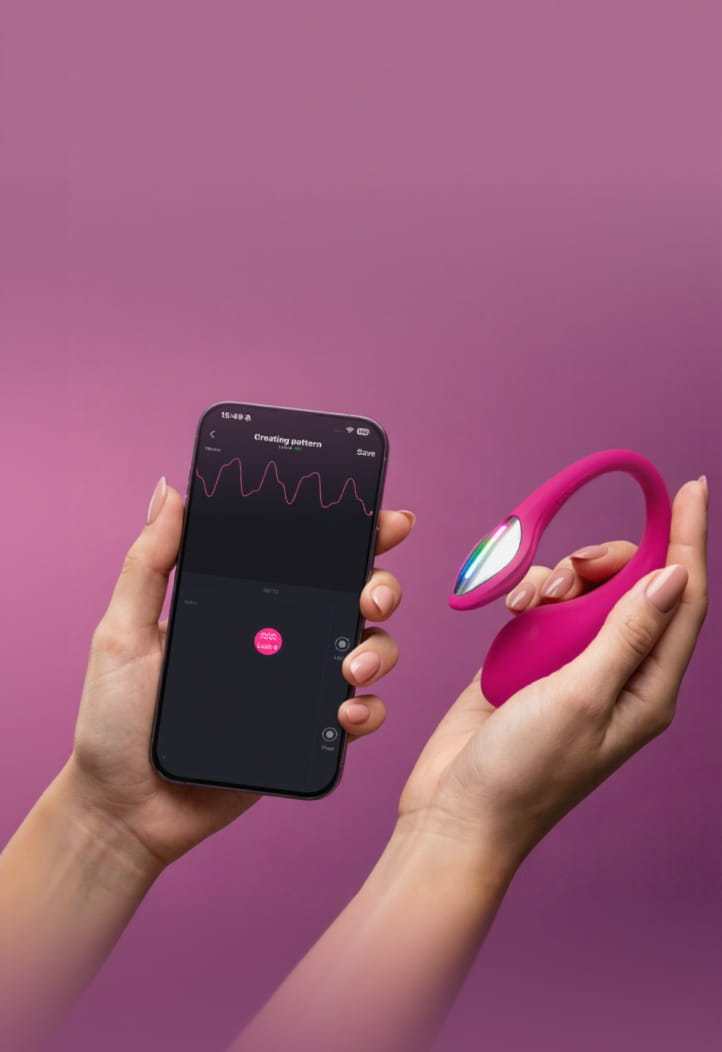
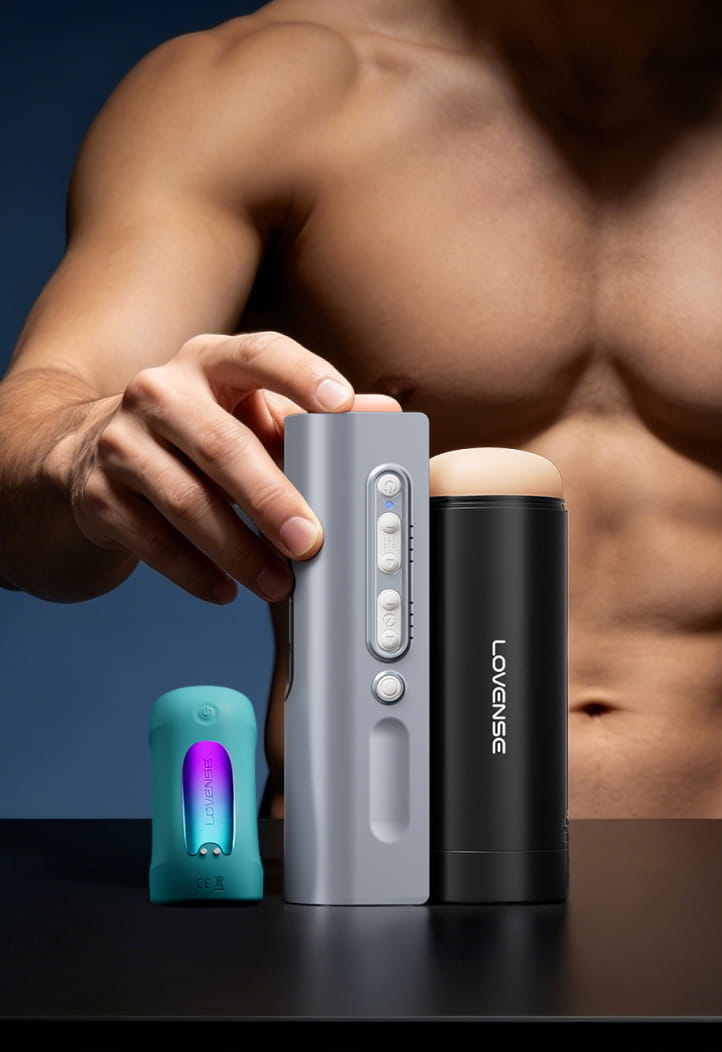
Modern sexual medicine also recognizes that well-designed sex toys — including vibrators, couples’ toys, and penile sleeves — are not just recreational; they are frequently recommended by certified sex therapists and urologists as safe, effective therapeutic tools. They can help overcome anorgasmia, maintain arousal during medication side effects, assist after prostate surgery, or simply add reliable stimulation when the body needs extra support. (Source)
Used mindfully and with body-safe materials, sex toys are medically endorsed and do not cause permanent desensitization or “dead vagina syndrome” — that remains a myth repeatedly debunked by sexual health experts. (Source)
(Last updated: December 2025 | Sources include Mayo Clinic, Cleveland Clinic, International Society for Sexual Medicine, and peer-reviewed literature.)
Want More Reads?
- Using a Vibrator During Pregnancy: Safety, Myths, and What Actually Matters
- Beginner Tips on Using a Sex Toy for the First Time
- Struggling With Low Sex Drive? Here’s the Holistic Guide That Actually Works