
Sometimes the stuff you buy just… doesn’t work the way you hoped. Too tight, too stiff, too loud, or just kind of impersonal. That’s where a homemade masturbator can come in—something you can make yourself, using things you already have, and actually get right.
More people are trying DIY options, not just to save money, but to build something that fits their body, their routine, and their comfort level. If you’ve been curious but don’t want to mess around with guesswork or sketchy materials, this guide walks you through it—simple, safe, and judgment-free.
Here’s what you’ll learn:
- How to make a homemade masturbator with common, body-safe materials
- Ways to adjust tightness, texture, and feel so it works for you
- How to clean and reuse your setup without making a mess
- When a DIY toy makes more sense than a store-bought one
- Tips for trans and nonbinary folks looking for a better fit
Let’s take the awkward out of DIY and make something that actually feels good.
⚠️ Quick note: This guide is informational, not medical advice. Always check that the materials you’re using are body-safe, non-toxic, and clean. If anything feels off, stop and reassess—your safety and comfort come first.
🤔 What Is a Masturbator—and Who Can Use One?
The word masturbator gets tossed around a lot, but most of the time, people mean a sleeve or toy designed for someone with a penis. That’s what we’re talking about here: a handheld, insertable device that adds sensation during solo play. Some are simple, some are fancy, and some you can make at home using everyday stuff.
Even though a lot of mainstream guides treat these tools like they’re “for men,” that’s not the full picture. This guide is for anyone who has the anatomy these toys work with—regardless of gender identity. That includes cis guys, trans men, nonbinary folks, and anyone else looking for a way to make solo time feel better.
‼️Also worth noting: if you’re looking for something that focuses more on external or clitoral stimulation, we’ve got a separate DIY vibrator guide with ideas that may suit you better.
Bottom line? Pleasure isn’t one-size-fits-all, and neither is this conversation. You’re welcome here.
🔎 What Are the Safest Materials for a Homemade Masturbator?

If you’re putting something on or around your genitals, it needs to be safe. That means no harsh chemicals, no porous stuff that traps bacteria, and definitely nothing you found at the bottom of a junk drawer from 2006. A lot of homemade masturbator tutorials skip this part, but it matters. Just because something feels soft doesn’t mean it’s skin-safe—especially on sensitive areas.
The golden rule: only non-porous materials touch your skin
Think of every DIY build in two layers:
- The contact layer is whatever touches your body. It must be smooth, non-porous, and body-safe.
- The structure layer is everything around it (towels, socks, sponges, cardboard). It gives shape and squeeze, but it should never touch your skin directly.
Porous materials like sponges, cloth, and cardboard have tiny holes that trap bacteria, even after washing. That’s fine for the outside of a build. It’s not fine for anything your penis actually touches.
✅ Safe for the contact layer
- Powder-free nitrile gloves: latex-free, stretchy, and cheap
- Non-lubricated condoms: use polyisoprene or polyurethane if you’re sensitive to latex
- Platinum-cure silicone: the only DIY material that’s truly reusable
- New balloons: single use only, and skip them if you’re latex-sensitive, since they’re latex and often powdered
🟡 Structure layer only (never direct contact)
- Towels, socks, and soft cloths
- Sponges (unscented and untreated)
- Cardboard tubes
- Plastic bottles or containers, but only ones with a wide, open end (see the safety note below)
❌ Avoid completely
- Foam, glue, glitter, or anything scented
- Plastic wrap or cling film, which tears easily
- Powdered gloves, since the powder irritates skin
- Lotions, soap, or oils not made for genitals
- Rigid containers with a narrow opening, like bottles, mugs, or jars you could get stuck in
🔗 Material compatibility
| Contact layer | Reusable? | Lube to use | Lube to avoid |
|---|---|---|---|
| Nitrile glove | No, single use | Water- or silicone-based | Oil-based |
| Latex condom or balloon | No, single use | Water- or silicone-based | Oil-based (it breaks down latex) |
| Polyurethane condom | No, single use | Any | None |
| Platinum-cure silicone | Yes | Water-based | Silicone-based (it damages silicone) |
🧼 Hygiene for reusable builds
If you want something you can use again, only the silicone parts count as reusable. Everything else is single use or goes in the laundry.
- Wash silicone right after use with warm water and unscented soap
- Machine-wash towels and socks on hot after every use
- Toss gloves, condoms, balloons, sponges, and cardboard after one use
- Air-dry everything completely before storing, since damp material grows mold
- Before each use, check silicone for tears, stickiness, cloudiness, or smells. If you find any, replace it.
⚠️ Structure safety: don’t get stuck
Never use a rigid container (bottle, mug, jar, thermos) if its opening is narrower than you are when fully erect. Swelling can trap you, and that’s a real ER visit. Always make sure you can pull out easily, and never seal suction so tight that you can’t break it instantly. If you do get stuck, don’t force it. Stay calm, and get medical help if it doesn’t release quickly.
🧪 Not sure about a material? Patch test it on the inside of your arm and wait a few hours. If it itches, burns, or smells weird, don’t use it on your junk.
Using body-safe materials is what makes the difference between a clever sex toy and a risky science experiment. And if you’re planning to make a reusable DIY masturbator, good hygiene matters even more—so stick to stuff that’s easy to clean and won’t fall apart after one use.
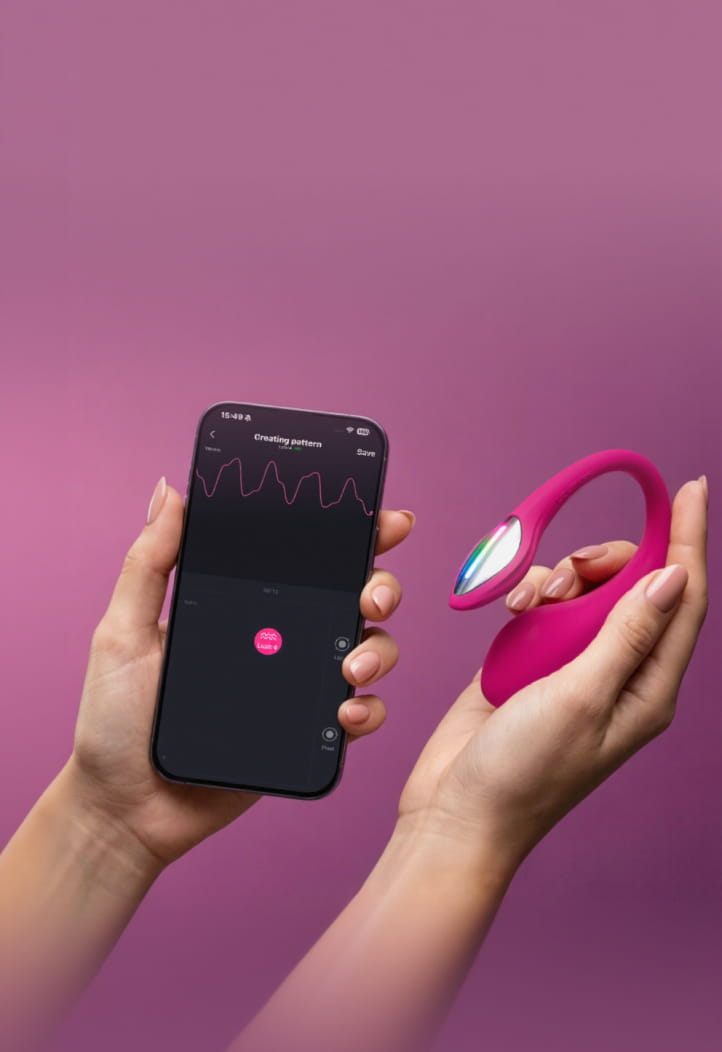
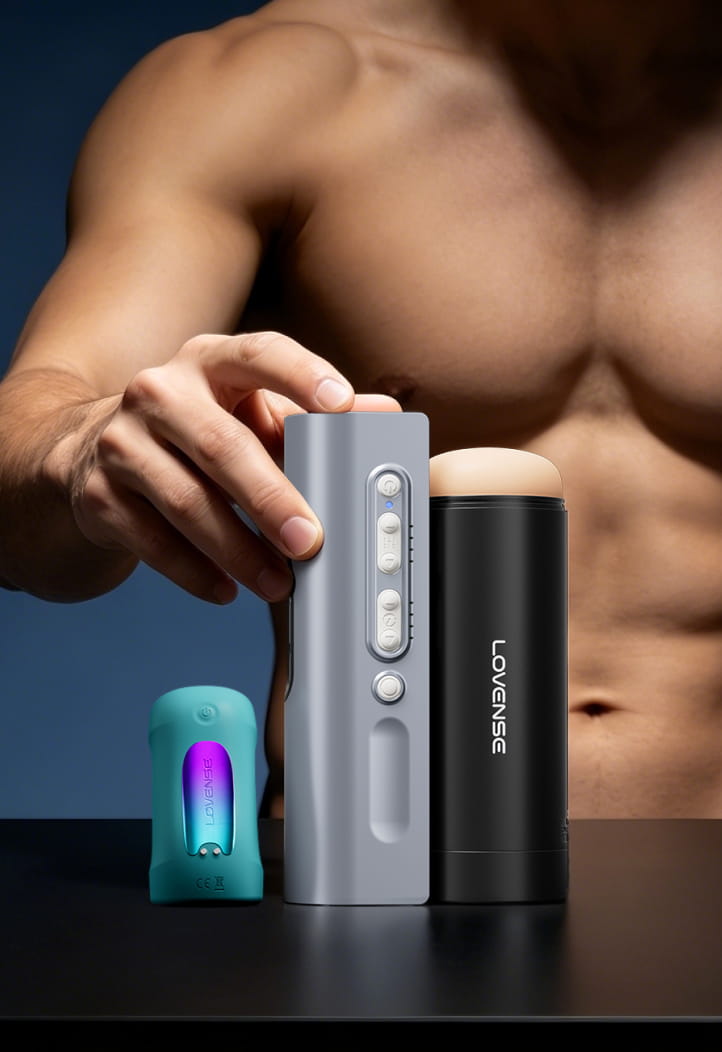
Want to go beyond homemade? Check out Lovense app-controlled sex toys.
Gush 2 – Penis Vibrator

- Targeted oscillations & vibrations
- Adjustable band for hands-free play
- Sync with adult content & games
- Customized patterns via the app
Calor – Pocket Pussy

- Squeezable grip for tingling stimulation
- Powerful & adjustable vibration
- Optional heating for realistic sensation
- Customized patterns via the app
✂️ How to Make a DIY Masturbator With Common Materials

You don’t need power tools or 3D printers to make something that feels good. In fact, most male masturbators are built from things you probably already have in your house—and if you don’t, they’re usually cheap to grab on your next grocery run.
These DIY setups aren’t just about saving money. They’re about creating something that actually fits you. Here are a few simple builds people swear by (and yeah, we’ve road-tested the logic behind them):
🧤 The Towel + Glove Method
Quick, soft, and fully adjustable
- Roll a clean towel into a U-shape
- Slide a latex-free glove inside the curve and fold it over
- Add water-based lube inside the glove
- Adjust pressure by tightening the roll with rubber bands or hair ties
Why it works: It’s soft, holds warmth, and you can tweak the tightness easily. Plus, it’s discreet and takes 30 seconds to set up.
🎈 The Balloon + Sponge Combo
Bouncy and surprisingly satisfying
- Insert a clean, soft sponge (dampened slightly if you want warmth) into a new balloon
- Add lube inside before tying it off
- Optional: Wrap the whole thing in a folded towel or old sock for grip
Why it works: The sponge gives pressure; the balloon seals it off. It’s compact, squishy, and feels different depending on how you wrap it.
🧴 The Lotion Bottle Trick
For when you want structure + squeeze
- Take an empty, clean lotion bottle with a soft plastic shell
- Line the inside with a folded glove or condom
- Add lube inside and cap it loosely to hold pressure
Why it works: It creates internal suction with minimal effort. It’s also super discreet—looks like lotion from the outside, no one will question it. Only use a bottle with the bottom cut off, so it’s open at both ends. Never cap it while in use.f
🧻 The Toilet Paper Roll Wrap
Firm grip with a soft core
- Take a clean toilet paper roll and stuff it with a soft cloth or sponge
- Line the inside with a latex-free glove or condom
- Wrap the outside in a towel or sock to cushion the edges
Why it works: The roll gives structure, while the inner materials handle softness and lube. It’s a bit bulkier, but it holds its shape well.
🧦 The Sock-in-a-Sock Trick
Low effort, surprisingly decent
- Roll one soft sock into a ball
- Place it inside a second sock like a sleeve
- Add lube between the two layers before squeezing
Why it works: It’s minimal, washable, and gives mild texture. Great for a quick setup or travel situation.
🔥 The Warm Towel Pocket
Great for heat and realism
- Wet a soft towel with warm (not hot) water and wring it out
- Fold it around a glove or sponge layer to create a heated pocket
- Place it in a mug or cup to hold shape while using
Why it works: It mimics body warmth without any electronics. Just be careful with heat levels.
💡 Pro tip: These builds can be mixed and matched. You might like the sponge from one setup and the outer layer from another. Experiment a little—but always stick to body-safe materials and lube.
🛠️ Want to Go Further? Advanced DIY Masturbator Builds

If you’ve already tried a few of the basic builds and want something with a bit more structure, realism, or reusability, these next-level methods might be worth checking out. They take more time and prep, but the payoff can be seriously satisfying.
These aren’t quick “grab a sock” homemade masturbator builds—they involve a little planning, but don’t worry, we’ll keep it beginner-friendly and link out to solid tutorials where needed.
🧪 Silicone Mold Builds
Custom feel, longer lifespan, and totally body-safe (if you do it right)
- Make a mold using a cylindrical object, your own anatomy (optional), or a pre-made 3D file
- Use platinum-cure, body-safe silicone—not craft silicone or caulk [Use skin-safe alginate for body casting, never silicone directly on skin]
- Mix, pour, and cure as directed (usually 24–48 hours)
- Add an inner channel using a smooth core (some use plastic tubes or toys wrapped in foil)
Tips + Warnings:
- Always check that the silicone is labeled platinum-cure and skin-safe—some hardware silicones are not safe internally
- Work in a clean, dry space—dust or bubbles can cause weak spots
- Use cornstarch or a release agent if you’re casting from yourself (optional)
🌀 Vacuum-Sealed Sleeve Builds
For adjustable suction and pressure control
- Start with a flexible sleeve (like a balloon-lined sponge or silicone mold)
- Place it inside a sealed container (jar, bottle, or even a thermos with a screw-top lid)
- Use a hand pump or suction device to control the internal pressure during use
- Always keep a way to release the pressure instantly
Tips + Warnings:
- Test for leaks before use—suction and body parts are not a great combo when trapped
- Don’t overdo the vacuum seal—it should be gentle, not painful
- Add small airflow holes if it creates too much pressure or discomfort
🖨️ 3D-Printed Masturbator Shells
Fully customizable outer casings and form-fitted designs
- Download a 3D file (or design your own) for a casing or sleeve holder
- Use PETG or TPU filament—materials that are sturdy and safe for external use
- Print the shell, then line the inside with silicone, glove, or balloon materials
- Some people print spiral textures or ribbed inserts for added sensation
Tips + Warnings:
- 3D prints aren’t inherently body-safe—never use filament as direct internal contact
- Always pair printed builds with a clean, removable liner
- Avoid PLA for long-term use—it warps under heat and absorbs moisture
🧠 These builds aren’t for everyone, but if you’re the kind of person who enjoys tinkering, customizing, and experimenting, they can be fun projects with really satisfying results. And, as always, safety comes first: if something feels off—physically or structurally—pause and rework it. No orgasm is worth a medical bill.
🎯 Can I Customize a Homemade Masturbator for a Better Fit or Feel?

One of the best things about making your own toy is that you don’t have to settle for whatever some factory decided was “standard.” You can tweak the fit, pressure, texture, and even temperature until it feels just right. Here’s how to customize the experience to match your body and preferences—no special tools required.
🔄 Pressure & Fit: Tighten It Up (or Soften the Grip)
- Wrap your build with rubber bands or fabric ties to adjust tightness externally
- Choose a narrower bottle, cup, or sleeve container for more squeeze
- Add padding around the outside (rolled towel, sock, padding) to control compression from the outside
- Secure glove or liner tighter at the base before sealing to adjust inner tension
Tip: The goal is firm, not numbing. If anything tingles in a bad way, loosen up.
🔥 Warmth: Heat = Realism
- Soak the glove or sleeve in warm (not hot) water before use
- Wrap your setup in a heated towel for a cozy outer layer
- Warm your lube in your hands or a cup of water—never microwave anything directly
Safe zone: Aim for body temp (around 98°F / 37°C). Higher than that can be risky.
⚡ Stimulation: Vibration & Sensation Add-ons
- Use a wand vibrator or external bullet vibe pressed against the toy shell
- Try a toothbrush handle or vibrating massager (fully sealed) taped to the outside
- Use a vibration app on your phone, placed under a towel or surface supporting the toy
⚠️ Never embed batteries or open electronics inside the toy. Keep it external and safe.
🧩 Add Internal Texture Using Fillers (Always with a Liner)

Once you’ve built the outer structure, you can make the inside more interesting by layering or stuffing in texture-enhancing fillers. Always use a clean glove, balloon, or condom liner between these and your body.
Here’s a breakdown of safe, creative insert ideas based on how they feel:
🧽 Soft & Cushioned
- Sponge strips (cut with ridges or spirals)
- Makeup blending sponges
- Microfiber cloth (rolled or knotted)
- Cotton balls or wadded tissues (single use only)
🌀 Flexible & Patterned
- Silicone baking mats (cut into strips or wraps)
- Silicone cupcake liners (ribbed and soft)
- Cable-knit sock fabric
- Tube-style bubble wrap or soft air cushions
🧶 Bumpy or Pressure-Base
- Wooden beads (smooth only, sealed inside glove fingers)
- Rubber loops or wristbands (stacked)
- Yarn-wrapped glove fingers
- Rolled fabric knots for shifting texture
🔬 Other Creative (Use with Caution)
- Corrugated cardboard (fully sealed only)
- Plastic mesh (wrapped in liner)
- Small gel bead packs (intact and leak-proof)
- Soft rubber drawer liners (food-safe only)
- Marbles or silicone beads (only if heavily padded and sealed)
⚠️ Not Safe for Use, Even With Liners:
- Pipe cleaners (metal inside)
- Scouring pads or scrubber sponges
- Packing peanuts or craft foam
- Glitter or scented materials
- PLA 3D prints (porous, can degrade with heat or lube)
❓ Homemade Masturbator FAQs

1. Should I make a reusable DIY masturbator or stick to single use?
Only go reusable if every part that touches you is platinum-cure silicone, and every other part is either washable (towels, socks) or thrown away. Gloves, condoms, balloons, sponges, and cardboard are always single use. When in doubt, go single use. It’s cheaper than an infection.
2. What are the safest materials to use?
For anything that touches your skin: powder-free nitrile gloves, non-lubricated condoms, or platinum-cure silicone. Towels, socks, and sponges are fine as outer structure, but never as the contact layer.
3. How can I make it feel more realistic?
Use warmth, texture layering, and soft materials like sponge or silicone. Lube helps, too.
4. What household items work for texture?
Silicone baking mats, silicone cupcake liners, and sponge strips work well, as long as they sit behind a liner and never touch your skin. Anything porous (sponges, cloth, beads) should be tossed or washed after each use.
5. How do I keep it hygienic and safe?
Use clean materials, a fresh liner, and water-based lube. Wash anything reusable right after use and let it dry fully.
6. Can I add vibration or suction?
Yes, but keep all electronics external and fully sealed. For suction, use soft liners in a capped container with a small air hole. If you want to get REALLY high tech, it’s probably safer to buy a smart male masturbator.
7. What’s the best liner to use inside?
Latex-free gloves, non-lubricated condoms, or balloons. Always pair with lube and check for holes.
8. How do I clean and store a reusable one?
Take it apart right after use. Wash silicone with warm water and unscented soap, machine-wash fabric on hot, and throw away all liners and porous inserts. Air-dry completely, then store it in a breathable pouch away from other toys and direct sunlight.
9. What materials should I avoid?
Anything with glitter, foam, glue, metal wire, or rough edges. Never use porous or scented items internally.
10. Can I adjust the tightness or fit?
Yes—wrap the outside with bands or fabric, or stuff the outer shell for more pressure. See fit customization tips.
11. Are there any advanced builds I can try?
Definitely. Silicone molds, 3D-printed shells, and vacuum setups are all possible with care.
12. How can I discreetly store or dispose of a homemade masturbator?
Wrap it in a paper bag or pouch for storage. For disposal, seal it in a trash-safe bag and toss—nothing flushable.
13. Is it safe to use food items?
No. Food breaks down, grows bacteria, and can cause infections. Even if it seems fun, it’s not worth the risk.
14. What kind of lube should I use?
Water-based works with every DIY material. Silicone-based lube is fine with gloves and condoms, but not with silicone molds. Never use oil-based lube with latex condoms or balloons, because it breaks them down. Skip anything scented, flavored, or warming.
15. Can I make a hands-free setup?
Yes—brace it in a couch cushion, towel roll, or between stacked pillows. Just make sure the structure won’t collapse mid-use.
16. How long does a homemade masturbator last?
It depends on the material:
- Gloves, condoms, balloons, sponges, cardboard: one use
- Towels and socks: as long as you wash them after every use
- Platinum-cure silicone: months to years if you clean and dry it properly
17: What should I do if I get stuck?
Don’t pull hard or panic. Stay calm and try to relax, since swelling usually goes down once arousal fades. If you can’t get free within a few minutes, or there’s pain, swelling, or color change, go to urgent care or the ER. Doctors deal with this more often than you’d think.
🔚 Homemade Masturbator Final Thoughts

Constructing a homemade masturbator isn’t about getting it perfect—it’s about figuring out what works for your body, your budget, and your comfort. If it feels good, fits well, and keeps you safe, you’re doing it right.
Whether you stick with a towel and glove or go all in on a custom silicone mold, you’ve got options—and you don’t need anyone’s permission to try them.
🤯Want More DIY Articles?
- DIY Nipple Clamps: 7 Surprisingly Safe Ways to Get Your Pinch On
- Safe DIY Anal Plugs: Step by Step Guide and Tips
- DIY Homemade Sex Toys – Easy DIY Kink Found Around The House