TL;DR
Anal douching is optional, and you don’t need to clean out your entire bowel before anal sex. If you choose to douche, use a small bulb with clean, cool or lukewarm water, introduce a little at a time, and let it drain naturally. Avoid hot water, soap, harsh pressure, and repeated rinsing to chase perfectly clear water. Give yourself time afterward, clean your equipment thoroughly, and stop if you experience pain or irritation.
For a lot of people, the biggest worry about anal sex is the possibility of a little poop making an unexpected appearance. And if you’ve spent any time reading about anal play, you’ve probably come across something called an anal douche.
It sounds simple enough. Squirt some water into your bum, rinse it out, and you’re good to go. But then come the questions. How much water should you use? How many times should you rinse? Why does more poop sometimes come out the longer you keep going? And is all this preparation even necessary?
There’s quite a bit of advice floating around, and some of it can leave you spending far more time in the bathroom than you intended. So, here’s a closer look at how anal douching works, how to do it gently, and what to do when things take a slightly messier turn.
First Things First – What’s Actually Happening Inside Your Bum?
An anal douche introduces a small amount of liquid into the rectum to rinse away any poop that might be lingering there. To understand how much cleaning is actually needed, it helps to know a little about what goes on inside your digestive system.
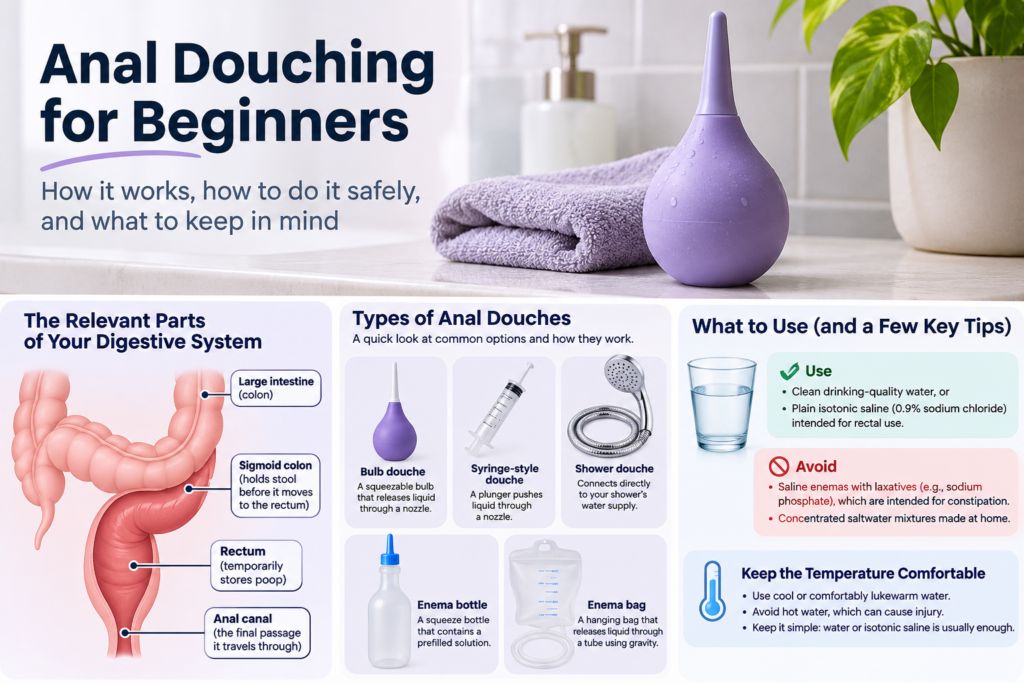
Your large intestine has several sections, including the sigmoid colon, rectum, and anal canal. The sigmoid colon sits above the rectum and holds stool before it’s ready to move further down. The rectum temporarily stores poop before a bowel movement, and the anal canal is the final passage it travels through on its way out.
Most of the time, there isn’t a whole lot of poop sitting in your rectum, especially if you’ve recently been to the bathroom. Your body is already pretty good at moving things along when it needs to.
This is important because some people think anal douching involves cleaning out the entire colon. For regular anal sex, the idea is simply to rinse the lower rectum. Think of it as tidying up the entrance rather than spring-cleaning the whole house.
Do You Have to Use an Anal Douche?
Nope. Plenty of people enjoy anal sex without douching, and a normal bowel movement followed by a shower is often enough preparation. Some people like to douche because it helps them feel more comfortable or relaxed during sex. Others only do it occasionally, depending on how their digestive system is behaving that day. Either approach is perfectly reasonable.
It’s also worth remembering that even a thorough rinse can’t guarantee a poop-free experience. A little residue can make an appearance during anal sex, just as other kinds of sex can involve sweat, bodily fluids, and the occasional wet patch on the sheets.
And if you’re having anal sex with someone who expects you to be spotlessly clean inside every single time, that’s worth having a conversation about. The rectum is part of your digestive system, and there’s only so much control you have over what it does.
Before You Start: Getting Everything Ready
If you’ve decided to give anal douching a go, give yourself some time, particularly if it’s your first attempt. Trying to get everything done while someone is waiting for you in the other room can make the process feel a lot more stressful than it needs to be.
Choose the Right Kind of Equipment
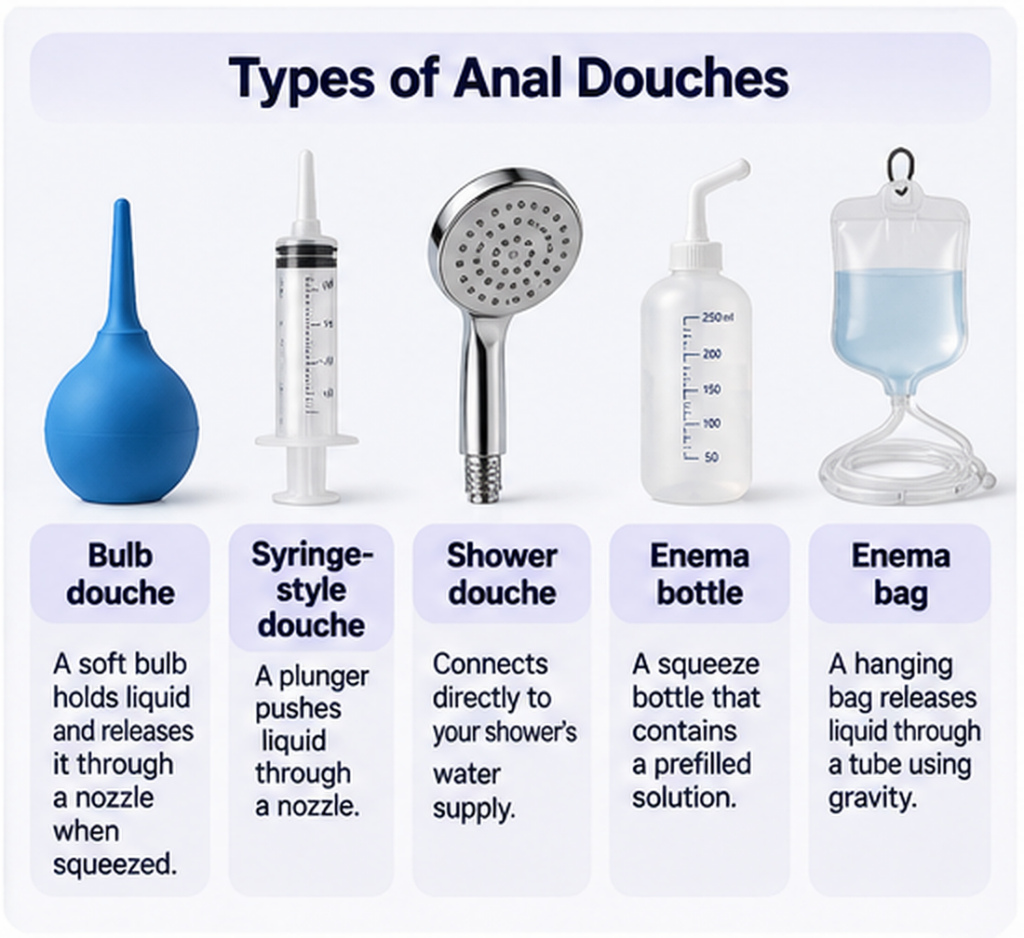
Anal douches come in a few different designs, from simple little rubber bulbs to larger devices that connect to your shower. Here’s how they work and what you should know about each one.
| Type of Anal Douche | How It Works | What to Consider |
|---|---|---|
| Bulb douche | A soft bulb holds liquid and releases it through a nozzle when squeezed. | Easy to control, holds smaller amounts of liquid, and is generally suitable for beginners. |
| Syringe-style douche | A plunger pushes liquid through a nozzle. | Offers control over the amount of liquid. Choose a purpose-made, needle-free design. |
| Shower douche | Connects directly to your shower’s water supply. | Water pressure and temperature can change unexpectedly, increasing the risk of injury. |
| Enema bottle | A squeeze bottle that contains a prefilled solution. | Check the ingredients, as some contain laxatives intended for constipation. |
| Enema bag | A hanging bag releases liquid through a tube using gravity. | Often holds more liquid than needed for a shallow rinse. |
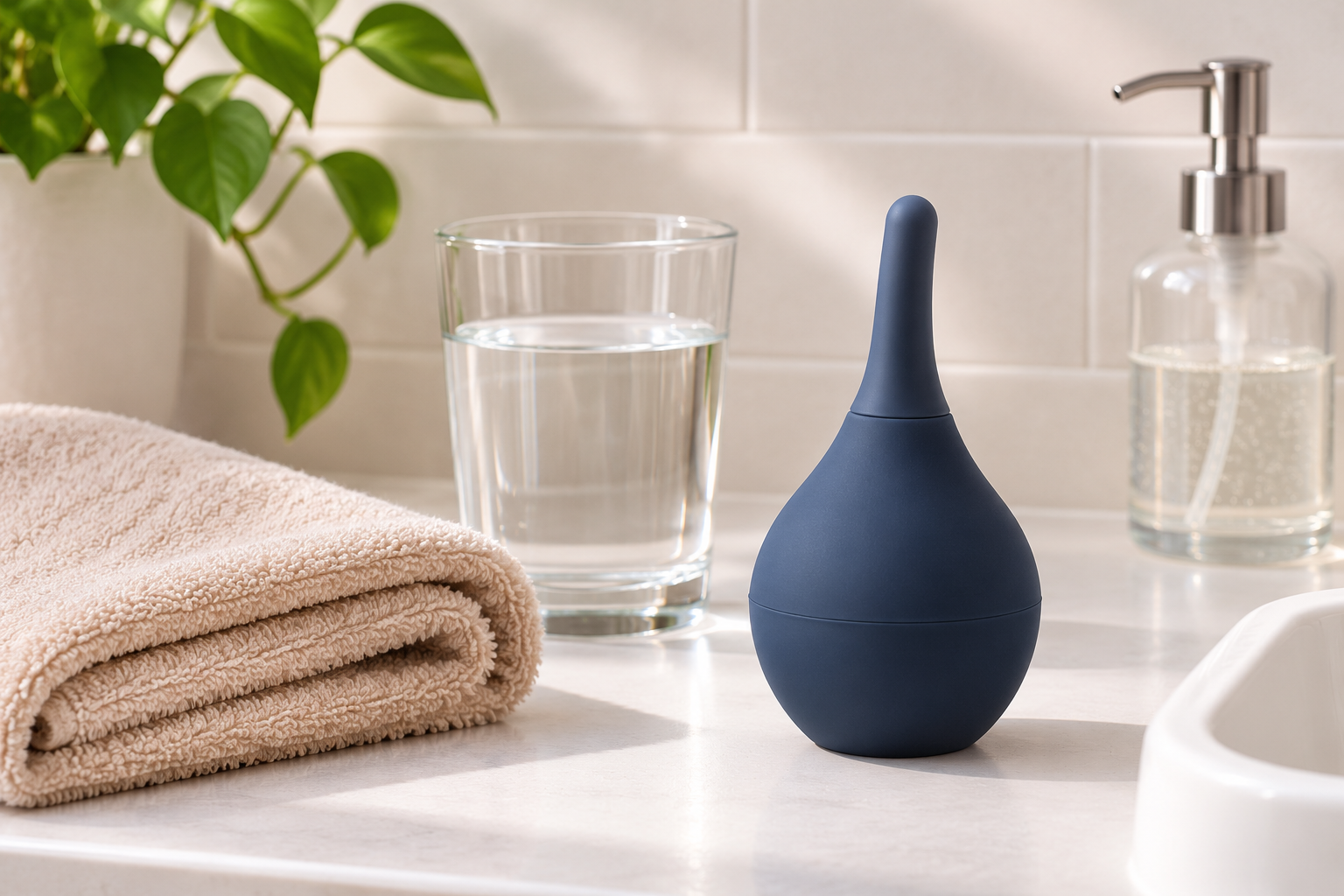
A small bulb with a smooth, rounded nozzle is generally the easiest option to control. You can squeeze gently, stop whenever you need to, and decide how much liquid to use. Check that the nozzle has no sharp edges or cracks and that the device is clean before using it.
What Goes Inside an Anal Douche?
Keep things simple here. Clean drinking-quality water is commonly used for occasional douching. Plain isotonic saline intended for rectal use is another option.
Isotonic saline usually contains 0.9% sodium chloride, which means its salt concentration is similar to that of body fluids. However, there’s a little catch when it comes to products labelled as saline enemas.
Some contain sodium phosphate or other laxative ingredients. These are intended to treat constipation by drawing water into the bowel and encouraging a bowel movement. That’s quite a different job from giving your lower rectum a quick rinse.
Check the ingredients carefully and ask a pharmacist if you’re unsure about a particular solution. Avoid making concentrated saltwater mixtures at home.
A Word About Water Temperature & Other Liquids
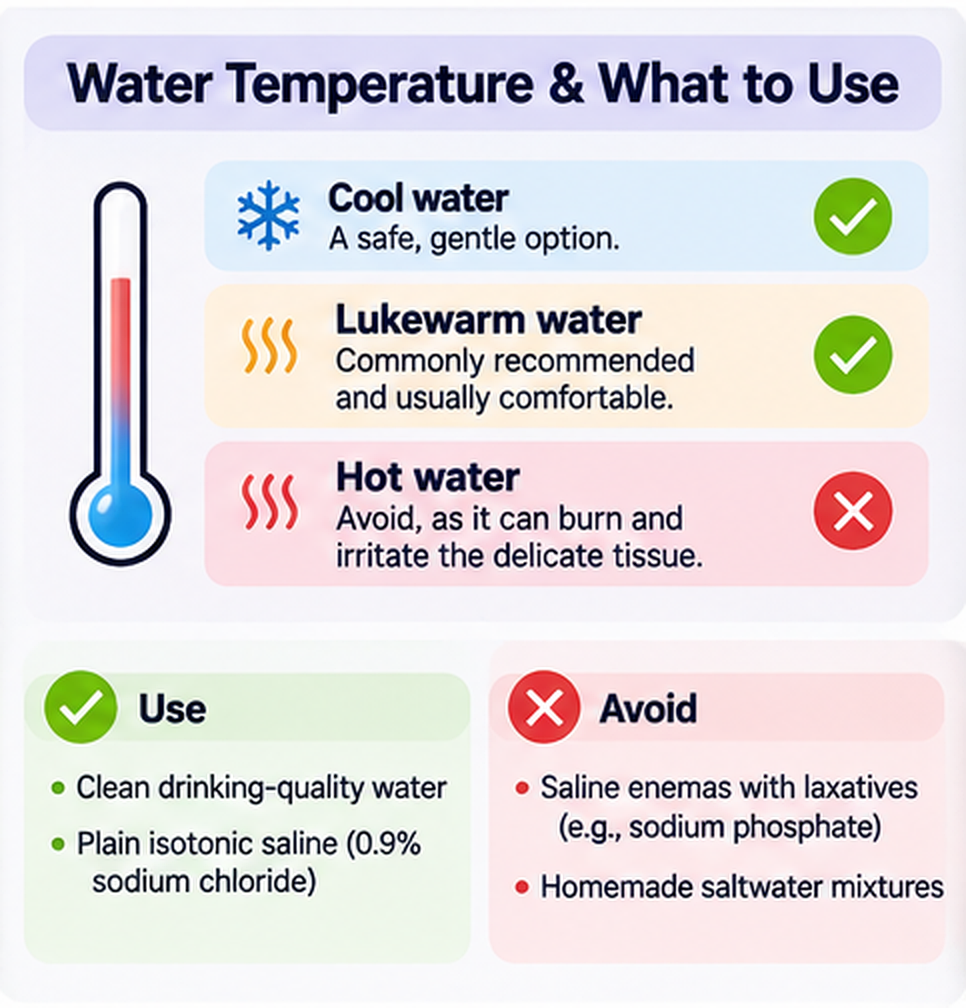
Your rectum is more vulnerable to temperature-related injury than the skin on the outside of your body, and it can be harder to tell when the water is too hot. Here are a few handy things to remember when filling your douche:
- Use cool or comfortably lukewarm water. Some sexual health organizations recommend lukewarm water, while others suggest cool water to reduce the risk of burns. When in doubt, err on the cooler side.
- Avoid hot water. Water that feels pleasantly warm during a shower can still be too hot for the delicate tissue inside your rectum.
- Keep soap for external washing and cleaning your equipment. Soapy water can irritate the protective lining inside your bum.
- Leave out scented products, essential oils, alcohol, and disinfectants. These can cause irritation, chemical burns, or other injuries when used internally.
- Check any prefilled solutions. Plain isotonic saline intended for rectal use is different from a medicated laxative enema.
Try integrating sex toys into your anal shenanigans.
Glint Responsive Butt Plug
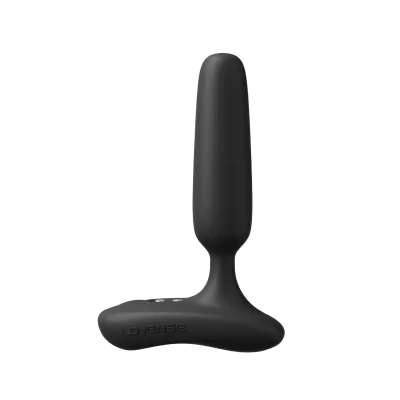
For Couples
- 7,500 vibrations/minute
- Body-safe silicone, IPX7 Waterproof
- Slim design, good for beginners
- 178 minutes of play time
- Master Control over other Lovense toys
Lovense Ecosystem
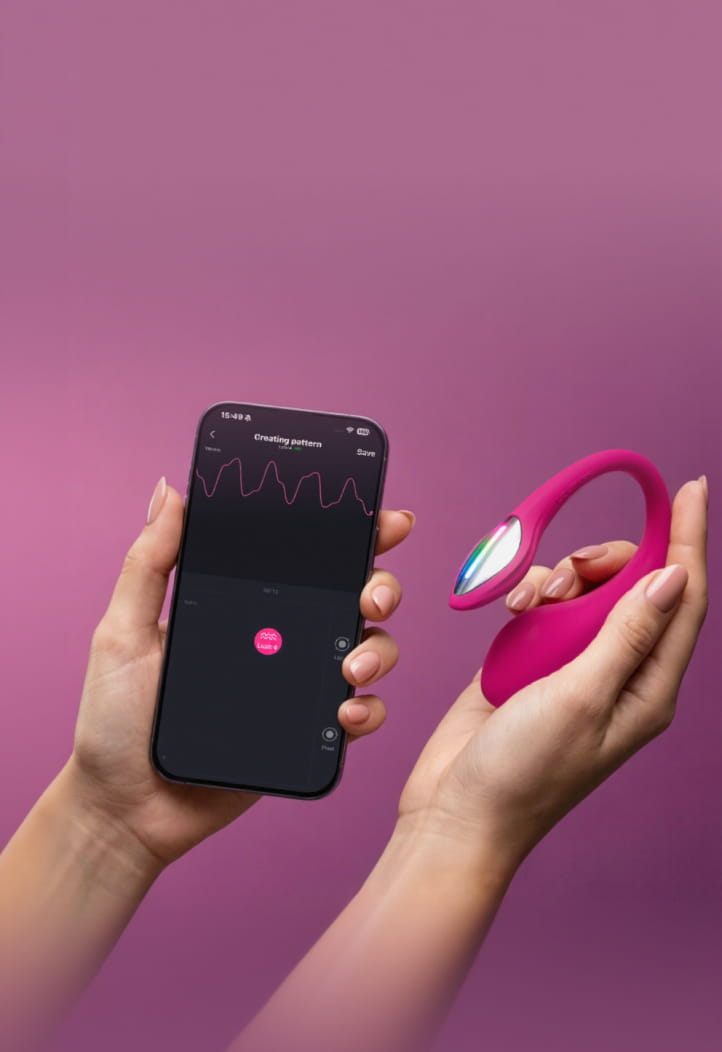
A Lovense toy can be more than a single device. With the free Lovense Remote App, you can control your toy from your phone, connect with a partner from anywhere, create custom patterns, or explore interactive features like music sync, sound control, long-distance play, and compatible content.
Lovense also works across a wider connected pleasure ecosystem, including supported games, videos, livestreams, creator tools, and community spaces. Whether you are choosing your first toy, adding to your collection, exploring couple’s play, or looking for more interactive ways to enjoy your device, the Lovense ecosystem gives you more ways to personalize the experience.
How to Use an Anal Douche – From Start to Finish
A straightforward rinse can take around 10–15 minutes, although everyone’s body works a little differently. Allow extra time afterward for any remaining water to drain.
1. Have a Bowel Movement & Wash Up
If you feel the need to poop, go to the bathroom first. This lets your body do most of the work naturally and may reduce how much rinsing you need afterward.
Wash your hands and make sure your douche is clean. You can also wash around the outside of your anus with water and a little mild soap if it suits your skin. Rinse the area thoroughly before getting started.
2. Fill the Bulb & Get Comfortable
Add clean water or your chosen saline solution to the bulb. Squeeze a little liquid out before using it to help remove any air trapped inside.
Apply a generous amount of water-based lube to the nozzle and around your anal opening. Find a comfortable position near the toilet, either sitting down or standing with your feet firmly supported.
Take your time with this part. The muscles around your anus can tighten when you’re nervous, and rushing to insert the nozzle can make things uncomfortable.
3. Insert the Nozzle & Introduce the Water
- Gently slide the lubricated tip into your anus.
- You only need to insert enough of the nozzle for the water to flow inside. Even if your douche has a fairly long attachment, there’s no need to use its entire length.
- Slowly squeeze the bulb to introduce a small amount of liquid.
- You may feel some fullness or a slight urge to go to the bathroom. The aim is to give the lower rectum a gentle rinse.
- Avoid squeezing hard or trying to empty a large bulb in one go.
- More water can travel further into your bowel, which can turn a quick rinse into a much longer bathroom visit.
🛑 If you feel pain, strong pressure, or resistance at any point, stop.
4. Release the Water Into the Toilet
Keep the bulb gently compressed as you remove the nozzle. That helps prevent used water from being sucked back into it. You can hold the liquid for a few moments if that’s comfortable, or let it out straight away. Sit on the toilet and relax your muscles, allowing the liquid and any loose stool to come out.
Some people find that a couple of small rinses are enough. If you’d like to rinse again, refill with fresh water and repeat the process gently. The idea is to remove what might be lingering in the rectum. There can still be a little residue in the water, and that’s fine. Trying to achieve absolutely crystal-clear water can lead to a lot of unnecessary rinsing.
After Douching: When Is It Okay to Have Sex?
You might finish rinsing, think everything is sorted, and then feel the need to visit the bathroom again half an hour later. That’s one of the reasons it’s worth leaving yourself a little time between douching and sex. Some sexual health guidance suggests waiting around an hour or two. This gives remaining water a chance to drain and allows sensitive tissue some recovery time, especially after several rinses.
During this time, you can go about your normal routine. Have a shower, get dressed, or do whatever else you need to do. Stay near a bathroom if you feel like you might need another visit.
Use how your body feels as a guide, too. If you’re experiencing cramps, soreness, or an ongoing urge to poop, allow more time for everything to settle. A clock can give you a rough idea of when you might be ready, but your comfort matters more.
When a Quick Rinse Turns Into a Whole Afternoon
There are a few things that can happen during anal douching that leave people wondering what on earth they’re doing wrong. One of the biggest is the never-ending rinse, where each trip to the toilet seems to produce more poop than the last.
More Poop Keeps Coming Out
Imagine that you’re trying to rinse a short section of a pipe, but the water keeps travelling further up and bringing more stuff back down. That’s roughly what can happen if you introduce too much water into your rectum.
When water reaches the colon above it, it can mix with stool and encourage bowel movements. Suddenly, the area you’re trying to clean has more poop in it than when you started. At this point, it’s tempting to add more water and keep going. Unfortunately, that can continue the cycle.
If things are getting progressively messier, stop douching and give your digestive system time to settle. Sometimes your body has simply decided that today is a particularly busy poop day.
Water Keeps Coming Out Later
Water can remain higher inside the bowel and gradually travel back down. You might notice this when you walk around, change position, or sit on the toilet again. You generally need some time rather than more rinsing. Let your body release the remaining liquid naturally and avoid straining to get every last drop out. If you regularly find yourself dealing with retained water, try using smaller amounts and keeping your rinses shallow the next time you douche.
Your Stomach Feels Crampy
Cramps can happen when water reaches higher into your digestive system, especially if you’ve introduced a large amount. Water pressure and temperature can also contribute to discomfort. Stop the rinse, sit on the toilet, and allow your body to release the liquid. Give yourself some recovery time before considering any further anal play.
Mild discomfort may settle on its own, but severe or persistent abdominal pain needs medical attention, particularly if you’re also experiencing bleeding, fever, or vomiting.
Looking After the Inside of Your Rectum
One thing that’s easy to forget in the middle of all this rinsing is that your rectum has its own protective lining. This lining produces mucus, which helps stool move through your digestive system and protects the tissue underneath. Repeated flushing can disturb that barrier, leaving the area dry or irritated. Excessive water pressure, harsh liquids, and rough nozzle insertion can also cause small injuries. These injuries may make it easier for infections, including sexually transmitted infections (STIs), to enter the body.
How Often Can You Douche?
There’s no universally safe number of times that applies to everyone. Sexual health organizations offer different harm-reduction recommendations, generally encouraging occasional use.
Planned Parenthood Toronto suggests keeping douching to roughly once or twice a week. Other organizations advise limiting it to two or three days per week, while Planned Parenthood recommends using tap water for douching no more than once a week. These recommendations are useful starting points, but they aren’t guarantees. Someone who experiences irritation after a single session may need more time between rinses than someone else.
If you’re having anal sex frequently, it’s also worth experimenting with simply going to the bathroom and washing externally. You might find that douching is something you only want to do occasionally rather than making it part of every sexual encounter.
When Your Bum Needs a Break
There are a few situations where it’s best to give your backside some time to recover or check in with a healthcare professional before douching again.
- Hemorrhoids or anal fissures: Douching can aggravate swollen or damaged tissue. Give the area time to heal before introducing a nozzle or rinsing with water.
- Soreness, dryness, or irritation: These can be signs that you’ve been douching too often or using too much pressure. Take a break and allow your body to recover.
- Diarrhea or an unsettled stomach: Douching can add to the irritation and encourage further bowel movements. Wait until your digestive system settles.
- Inflammatory bowel disease or recent rectal surgery: Speak with a healthcare professional before douching, as there may be additional considerations depending on your condition.
- Rectal bleeding: Stop douching if you notice blood. Seek medical advice for unexplained, persistent, or recurring bleeding.
- Severe pain, fever, or heavy bleeding: These symptoms can indicate a more serious problem. Severe pain with fever, heavy or continuous bleeding, or severe abdominal pain requires urgent medical attention.
The NHS has useful guidance on anal pain and rectal bleeding if you’re unsure when to get something checked.
Hush 2 – Bluetooth Butt Plug

- Discreet, app-control for solo or partner play
- Smooth, body-safe silicone
- Multiple vibration settings
- Works long-distance with the Lovense app
Lush Anal – Vibrating Butt Plug
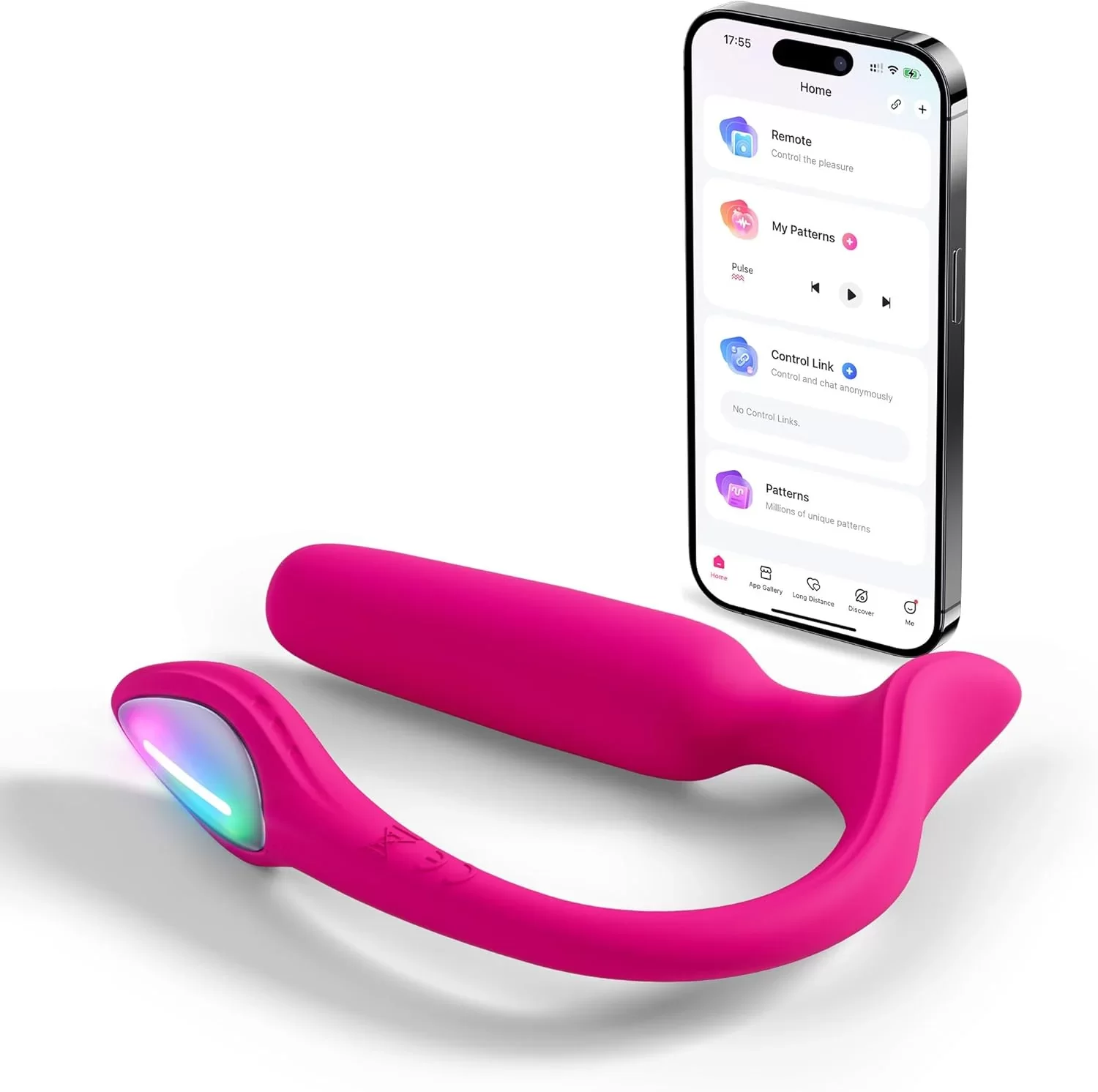
- Slim width, insert effortlessly
- 7,500 vibrations/min for targeted pleasure
- Long battery life of up to 4 hours
- Wearable, perfect for beginners
Cleaning Up: Your Douche Needs a Wash Too
A reusable douche comes into contact with bacteria from your digestive system, and moisture left inside it can create a place for bacteria to grow. Giving the equipment a proper wash afterward is an important part of the process.
Here’s a handy cleaning checklist:
- Take it apart. If the nozzle can be removed from the bulb, separate the two pieces so you can clean all the surfaces.
- Wash the inside and outside. Follow the manufacturer’s cleaning instructions, using warm water and mild soap where suitable. Run water through the bulb and nozzle.
- Rinse thoroughly. Make sure there’s no soap left inside the bulb or nozzle, as any remaining soap could irritate your rectum the next time you use it.
- Let everything air-dry. Allow the parts to dry completely before putting them back together. Moisture trapped inside the bulb can encourage bacteria to grow.
- Store it somewhere clean and dry. Keep the nozzle protected from dust and other sources of contamination.
- Check for wear and tear. Look for cracks, rough edges, or damaged surfaces that could irritate your body or make the equipment harder to clean.
And while sharing is nice for plenty of things, an anal douche is best kept as a personal hygiene item. If someone else wants to douche, having their own equipment is the simplest way to avoid sharing bacteria or other infectious material.
Anal Hygiene Beyond Douching
There’s more to anal hygiene than what happens during the hour before sex. Your everyday bowel habits can play a surprisingly big role in how much preparation you feel you need.
Give Your Digestive System a Helping Hand
Getting enough fiber, drinking water, and staying active can help keep bowel movements regular. Fiber is found in foods such as oats, beans, vegetables, fruit, and whole grains. If you’re planning to add more fiber to your diet, do it gradually. Introducing a mountain of beans and bran overnight can leave you dealing with more gas and bloating than you bargained for.
And while everyone has their own routine, skipping meals or taking laxatives to prepare for sex can upset your digestive system. Eating normally and paying attention to how your body responds to different foods is generally a more useful long-term approach.
Hygiene and STI Protection Are Two Different Things
An anal douche can help rinse away stool, but it can’t protect you from HIV or other STIs. Douching after sex won’t wash away an infection risk, either.
Condoms, compatible lubricant, regular STI testing, and appropriate HIV prevention options are all separate parts of sexual health. For example, PrEP is medication that can help prevent HIV before exposure, while PEP is emergency medication that must be started within 72 hours after a possible exposure.
If you’re worried about a recent sexual exposure, contact a sexual health clinic or healthcare provider promptly rather than trying to rinse anything away.
⭐ You can find further information through the CDC’s sexual health and HIV prevention resources.
Make Room for a Little Mess
Sometimes the simplest preparation is having a conversation with your partner. Talking about what you’re comfortable with, what happens if someone needs to take a bathroom break, and how you’ll handle an unexpected mess can take a lot of pressure off the experience.
A towel, a little extra lube, and a bathroom nearby can be handy. Taking your time during penetration and adding more lubricant as needed can also make anal sex more comfortable.
An anal douche is just one optional part of this whole process. Your body will sometimes cooperate beautifully and sometimes have other plans. Knowing how your digestive system works, treating it gently, and recognizing when it’s had enough are far more useful than spending hours trying to get your bum perfectly clean.
Final Thoughts
With so much advice about preparing for anal sex, it’s easy to forget that the whole experience is a matter of personal preference. Some people absolutely love it, others are curious about trying it, and plenty of people have no interest whatsoever. All of that is perfectly normal.
Your preferences might change over time, too. Something that sounds appealing today might feel different later, and you’re always allowed to change your mind. Whether you’re exploring anal play with a partner or figuring out what you enjoy on your own, there’s no particular experience you need to tick off your sexual bucket list.
And if anal sex simply isn’t your thing? There are plenty of other ways to have fun in the bedroom.
Want More Reads?
- Real Tips on How to Have Anal Sex Without the Ouch (Or the Awkward)
- Booty Basics – The Ultimate Cheeky Guide to Anal Play for Beginners
- Best Anal Lubes for Safe, Smooth and Mind-Blowing Backdoor Play