
We’re often taught that sex has to look a certain way—usually involving penetration and a specific “end goal.” But sometimes, your body isn’t up for it, you’re dealing with pain, or you just want a low-pressure way to feel close. That’s where mutual masturbation comes in. It’s not a “backup plan” for when “real sex” isn’t happening; it’s a high-reward, low-stress way to build intimacy while handling your own pleasure.
The Short Version:
- What it is: Pleasuring yourself while a partner watches or joins in.
- The Goal: Shared intimacy without the performance anxiety of intercourse.
- The Win: Better odds for orgasming, zero pregnancy risk, and a “masterclass” in what your partner actually likes.
What Is Mutual Masturbation?
Mutual masturbation is when two or more people pleasure themselves at the same time. There are a couple of common ways this shows up.
- One is when people touch themselves while their partner is there, watching, or sharing the moment without directly touching.
- Another is when both people masturbate at the same time and may also interact with each other, like syncing up movements or adding light, mutual touch.
What really matters isn’t the exact setup. Mutual masturbation is defined by shared intention and consent. Everyone knows what’s going on, everyone agrees to it, and no one feels pressured. That shared understanding is what makes it mutual, not just the physical actions.
Relationship Prevalence: In a 2023 study, approximately 50% of people in relationships reported engaging in mutual masturbation within the previous two weeks. [Source]
Is Mutual Masturbation Considered Sex?

It depends on how you define sex. People don’t all use that word the same way, and there’s no single rule everyone follows. Some people think sex only counts if there’s penetration, like vaginal or anal intercourse. Others see sex as any shared activity meant to create sexual pleasure or intimacy.
Mutual masturbation is usually grouped under non-penetrative sex, often called outercourse (including by sex educators and therapists). It’s also different from intercourse, oral sex, or handjobs because each person is still focused on pleasuring themselves, even though it’s happening together.
Why It Works: The Benefits of Keeping Things “Hands-On”
Mutual masturbation isn’t just a “backup plan”—it’s a way to prioritize pleasure and connection without the usual elements of traditional sex, and there are a ton of benefits.
1. Better Odds for Orgasming
- You’re the Expert: You know exactly what pressure, speed, and rhythm you need. It’s the most direct route to pleasure because you aren’t guessing what your partner wants, and they aren’t guessing what you want.
- Direct Stimulation: Most people with a clitoris require direct, external stimulation to reach orgasm, which penetrative sex doesn’t always provide.
2. Zero Performance Pressure
- Body Neutrality: It removes the stress of maintaining erections, natural lubrication, or “stamina.” You can just focus on the sensation.
- Mismatched Energy: It’s perfect when one partner has a higher drive or less energy. No one feels like they’re “performing” or disappointing the other.
3. Physical & Emotional Safety
- Pain-Free Intimacy: For those dealing with Endometriosis, Vaginismus, or general tension, this offers sexual closeness without the physical “ouch” factor of penetration.
- Low Risk: Because there is no exchange of internal fluids, the risk for pregnancy and most STIs is effectively zero (more on this in the next section).
- Healing & Trauma: It provides a safe way to rebuild sexual confidence for those navigating anxiety or past trauma.
4. Staying Connected Through Life Changes
- Life Happens: It keeps the spark alive during pregnancy, illness, injury, or high-stress seasons when intercourse feels like too much work.
- Long Distance: It’s a vital tool for partners to stay sexually synchronized when they can’t be in the same room.
A Note on Vulnerability
Letting someone see you pleasure yourself is a huge act of trust. Masturbation is often deeply private, and showing that side of yourself can feel more “exposed” than intercourse. When you feel safe and unjudged, that vulnerability actually makes the connection feel deeper—transforming a solo act into a shared experience.
Stay Safe: The Facts on Hygiene and Health
Even though mutual masturbation is very low-risk, it’s not “no-risk.” Knowing the facts helps you stay safe without overthinking it.
- The Skin-to-Skin Rule: Most STIs require fluid exchange (like semen or blood), but some travel just through skin contact. Herpes (HSV) and HPV (warts) are the big ones. If either of you has an active, visible sore or even a tingle in that area, skip the skin contact until it’s fully healed.
- Don’t Mess with the Microbiome: Your hands pick up a lot of bacteria throughout the day. If you don’t wash them before things get sexual, you can introduce foreign germs to the genitals. This can trigger a Yeast Infection or Bacterial Vaginosis (BV) by throwing your natural “good” bacteria out of balance.
- The Porosity Problem (Toy Safety): Non-porous is king. Stick to materials like medical-grade silicone, glass, or stainless steel. They have a smooth surface that can be 100% sterilized.
- The “Jelly” Warning: Avoid cheap “jelly” or rubbery toys. These are porous, meaning they have microscopic holes that trap bacteria and viruses even after you wash them. If you do use them, put a fresh condom over them every single time.
- Lube as a Protective Barrier: Using a water-based lubricant isn’t just for comfort; it prevents “micro-tears” (tiny, invisible scratches in the skin). These tiny tears are like an open door for bacteria and infections to enter your system.
Talking It Out: Consent and Connection

Why Consent Matters More for the Vulnerable Stuff
As mentioned before, because masturbation is usually a private thing, doing it in front of someone can feel a bit “exposed.” That extra layer of vulnerability is exactly why checking in is so important. It’s not just about a formal “yes” or “no”—it’s about making sure everyone feels safe enough to be themselves. When you know for a fact that your partner is into it and won’t judge, that nervous energy usually turns into a much deeper sense of trust.
How to Bring It Up Without the Awkwardness
You don’t need a scripted speech. Usually, the best way to bring up mutual masturbation is to be direct but casual.
Start the convo outside the bedroom: Mentioning it over dinner or while hanging out on the couch takes the “heat” off. You could say something like, “I’ve been reading about mutual masturbation and it sounds like a fun, low-pressure way to be close. What do you think?”
Focus on the “why”: Let them know why you’re interested. Whether it’s because you want to learn what they like or you just want a relaxing night together, being honest helps your partner feel included rather than “put on the spot.” A simple “How would you feel about trying this?” gives them space to be honest about their comfort level.
The “No Big Deal” Exit Strategy
Consent is all about reversibility. Just because you both agreed to try it doesn’t mean you’re locked in. Changing your mind is okay: If things feel a little awkward once you start, or if one of you just isn’t “feeling it” anymore, it’s totally fine to stop.
- The “Check-In”: A quick “You still doing okay?” or “Is this still fun for you?” goes a long way.
- Keeping it low-stakes: If someone wants to stop, don’t make it a “thing.” You can just pivot to cuddling or watching a movie. Knowing that you have an “out” actually makes most people feel way more comfortable saying “yes” in the first place.
In a lot of ways, mutual masturbation is the conversation. By showing your partner what you like, you’re communicating your needs without needing to find the perfect words. It’s a way of saying, “This is my rhythm,” and “This is where I like to be touched.” It’s a masterclass in each other’s bodies that makes every other part of your sex life better.
Bringing Sex Toys Into the Mix
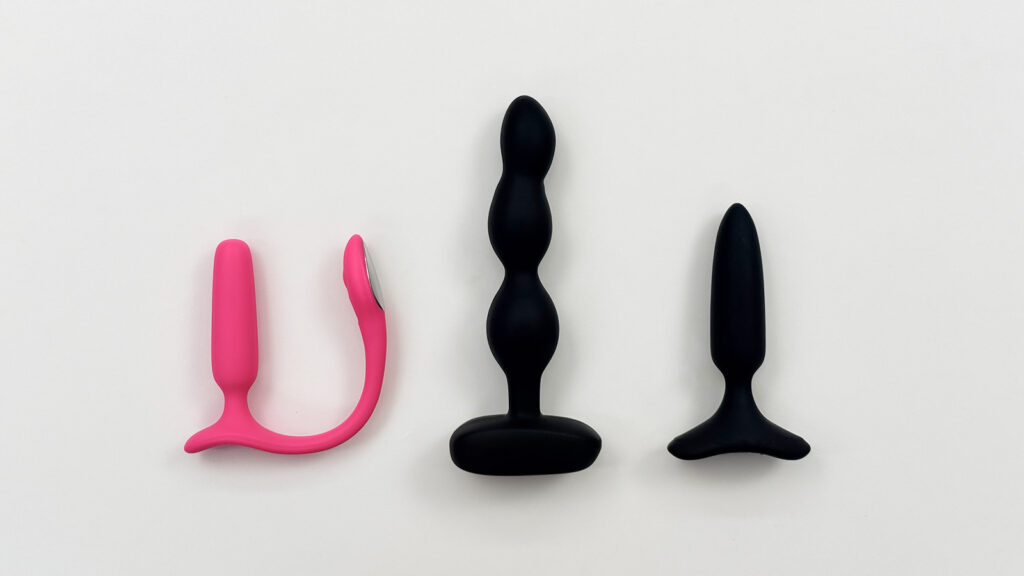
Adding toys to mutual masturbation is like moving from acoustic to electric—it just adds a different energy. It’s not about “replacing” anything; it’s about expanding what’s possible.
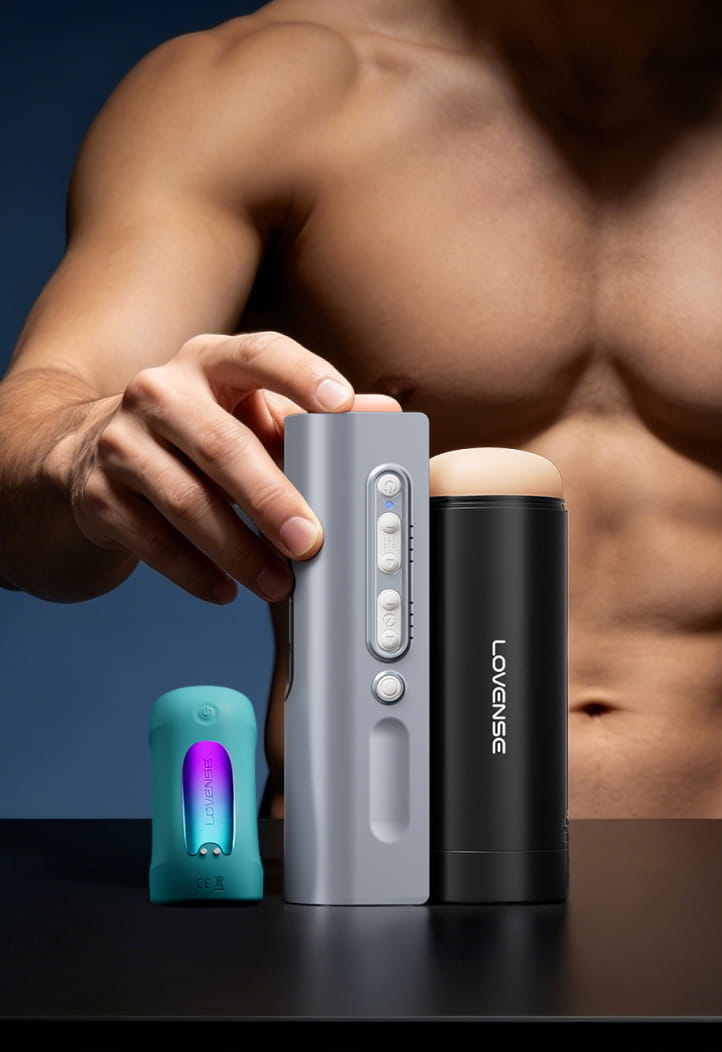
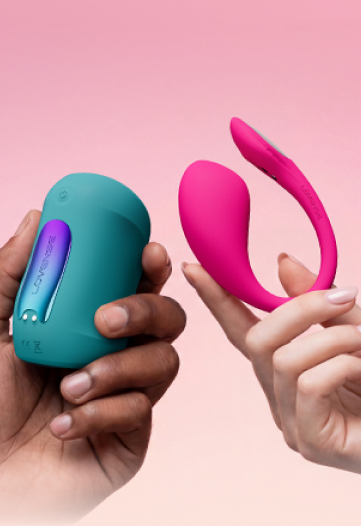
- Doing Your Own Thing, Together: The beauty of toys here is that you can use what works for you. If one person wants a high-intensity vibrator and the other prefers a textured sleeve, you both get exactly what you need while staying in the same vibe.
- The Learning Curve: Using sex toys in front of each other is a great way to show your partner exactly where you like a vibe placed or how much pressure you prefer. It takes the guesswork out of future play.
- Safety First: If you decide to swap or share a toy mid-session, keep it hygienic. Either give it a quick wash with Mild Soap or pop a fresh condom on it to keep things clean. Stick to non-porous materials like medical-grade silicone so you don’t have to worry about bacteria hanging out in the toy.
Leveling Up: Integrating Sex Tech
If you want to get a little “techy” with it, there are some cool ways to use modern sex toys to enhance the experience.
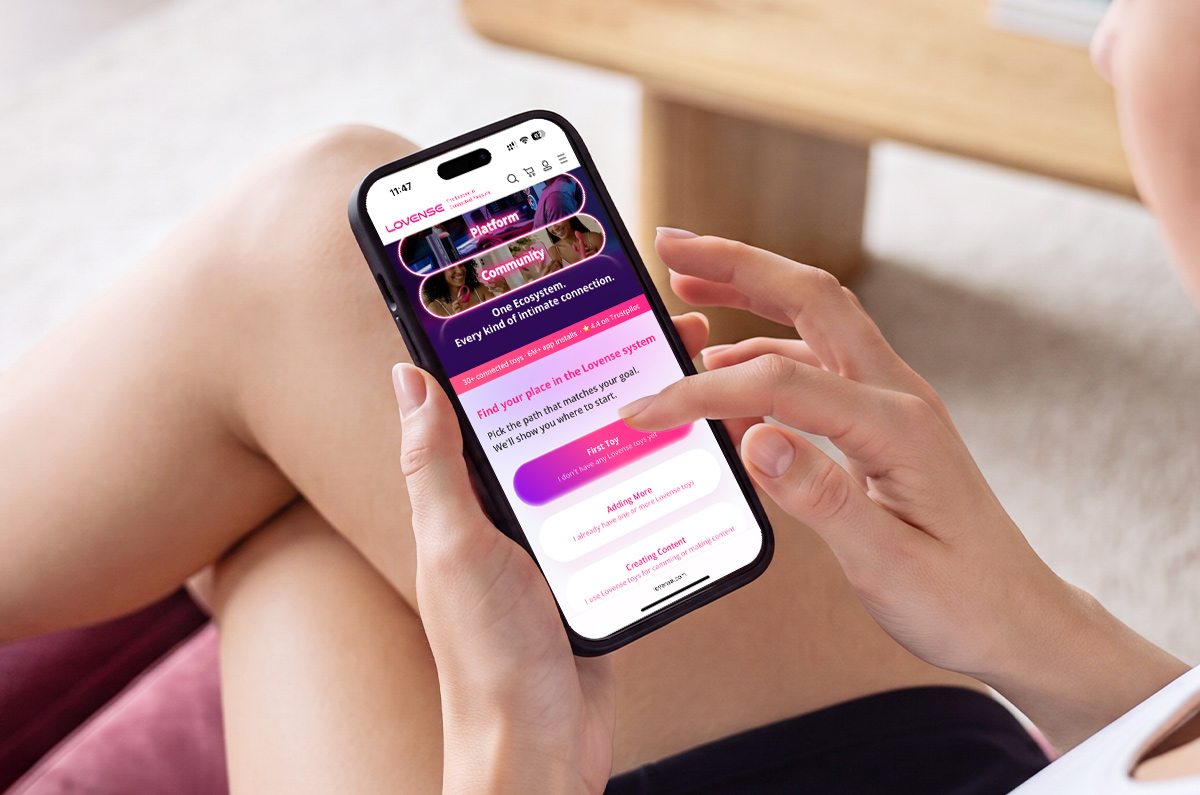
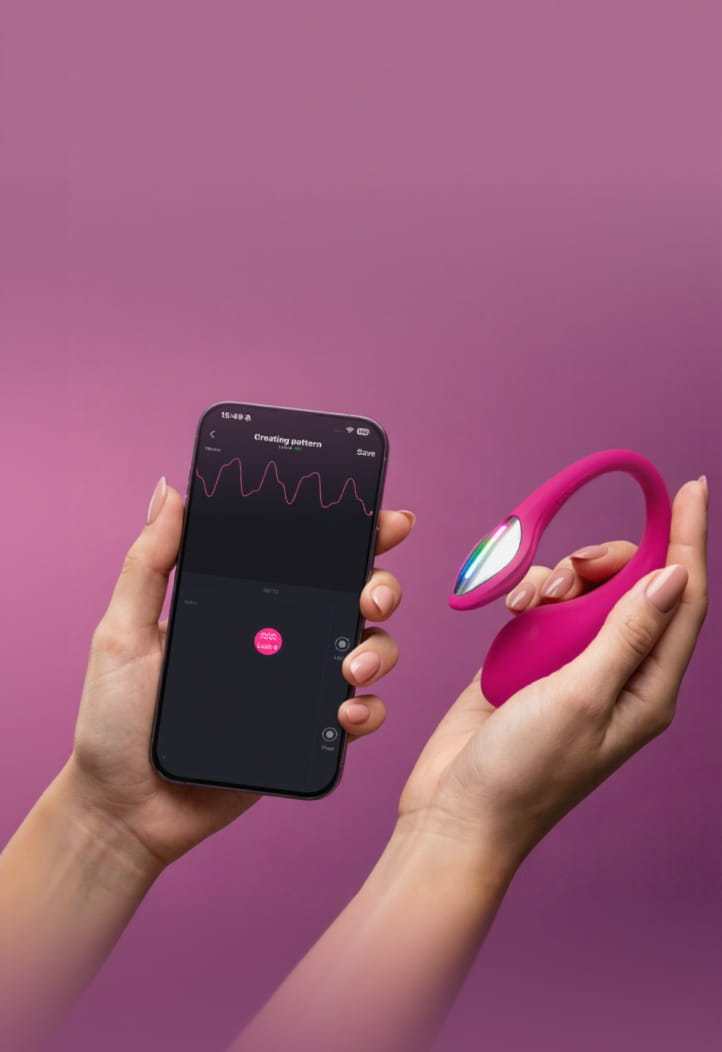
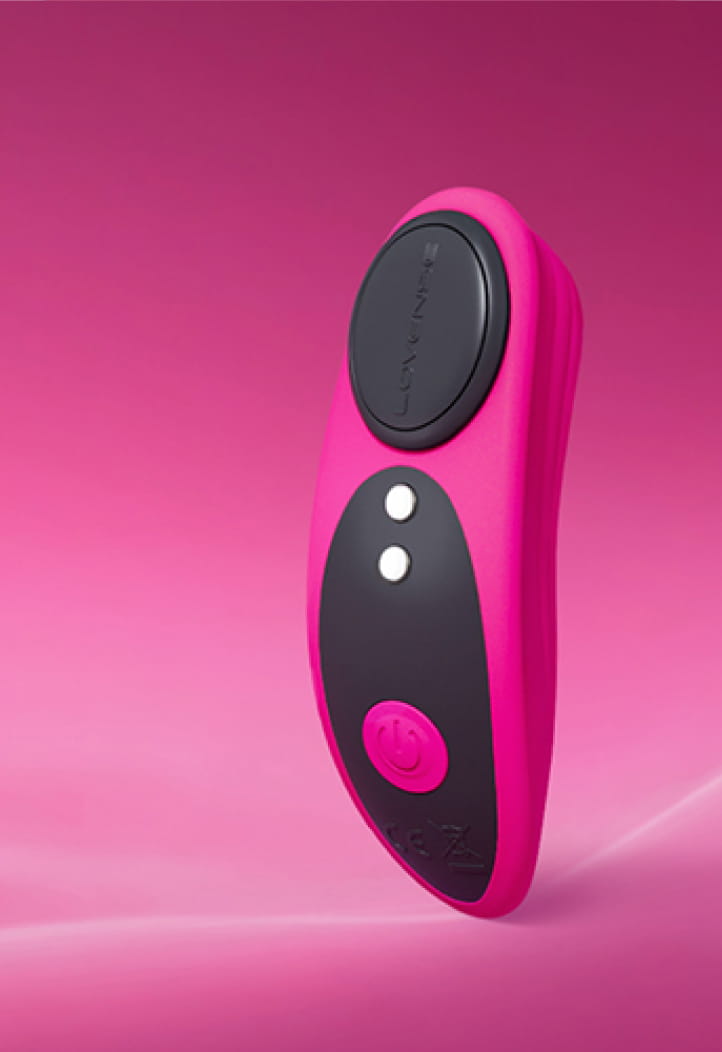
- App-Controlled Vibes: Some toys can be synced to an app. You could masturbate while your partner controls the intensity or patterns from their phone—even if they’re sitting right next to you. It adds a fun element of “shared control.”
- Long-Distance Connection: If you’re not in the same room, long-distance tech (teledildonics) allows you to sync toys over the internet. When one person moves or changes a setting, the other person’s toy reacts. It’s the ultimate way to make long-distance mutual masturbation feel “physical.”
- Virtual Reality (VR): Some couples use VR headsets to create a shared digital environment while they masturbate in the real world. It’s a bit out there for some, but for others, it’s a high-tech way to explore fantasies together.
Among U.S. millennials, nearly 25% have used technology (like video calls) to engage in “virtual” mutual masturbation with a partner. [Source]
Mutual Masturbation FAQs
Yes, it’s one of the safest ways to be intimate. Since you aren’t swapping internal fluids, the risk of pregnancy and HIV is nearly zero, making it a great low-risk option.
The risk is very low, but not zero. Infections that spread through skin-to-skin contact, like Herpes (HSV) or HPV, can still spread if there’s direct contact with an active sore.
Outercourse is any sexual activity without penetration. Mutual masturbation is a specific type of outercourse where you and your partner pleasure yourselves at the same time.
It’s a great way to stay close when penetration is painful, when you’re tired, or when you want to take the pressure off “performance.” It’s about connection without the “work” of traditional sex.
Definitely. By focusing on your own pleasure instead of “performing” for your partner, you lower the stress that usually causes issues like erectile dysfunction or difficulty reaching orgasm.
Totally. Most of us grew up thinking masturbation is a “secret” solo act. That vulnerability is normal, but sharing it can actually build a massive amount of trust.
Keep it casual and low-pressure. Try saying: “I’d love to just relax and focus on ourselves while we’re together tonight—would you be down for some mutual masturbation?
Final Thoughts on Mutual Masturbation
Mutual masturbation isn’t a “backup plan” or a consolation prize. It’s a legit way to prioritize what actually feels good over what we’re told sex should look like. If you’re looking for a guaranteed orgasm, a way to avoid physical pain, or just a lower-pressure night, there’s massive freedom in it. It strips away the performance and the “am I doing this right?” anxiety, leaving you with just pure, honest pleasure.
And if it feels a little “different” at first, that’s okay. Most of the best things feel a bit vulnerable until you realize they’re actually just fun. By focusing on what works for your body and keeping things casual with your partner, you’re building a much stronger, more honest connection.
Want More Reads?
- 60+ Male Masturbation Techniques and Tips to Better Pleasure
- Female Masturbation — Women’s Guide to Powerful Orgasm Techniques
- Understanding VR Masturbation: How Interactive Tech is Changing Pleasure