
TL;DR
- Desire doesn’t disappear with age, what usually changes is what the body needs to get there.
- There’s no such thing as a “senior” sex toy, just the same products with features that matter more now: hands-free, app-controlled, easy to feel by touch.
- For women, GSM (genitourinary syndrome of menopause) often means dryness and needing more direct stimulation. For men, erectile changes are common but don’t erase pleasure.
- Materials, warranty, and lube matter more here, not less.
- A few product picks, plus tips on positioning and talking to a partner, round out the guide.
There’s a quiet assumption a lot of people carry into their 60s and 70s: that wanting sex, or wanting it to feel good, is somehow supposed to fade. It doesn’t, not for most people, and it’s not something you have to just accept as gone. What usually changes isn’t the desire. It’s what your body needs to get there, and that’s exactly what the right products can help with.
The Research Backs This Up
- A 2021 study of 1,680 adults 60 and older, published in Sexual Medicine, found 76% reported being satisfied with their sex life overall, with satisfaction staying high even in the oldest age groups. (Stentagg et al., Sexual Medicine, 2021)
- An AARP national survey of adults 40-plus found 61% believe sexual activity is a critical part of a good relationship. (AARP, Ageless Desire: Relationships and Sex in Middle Age and Beyond, 2022)
- A 2025 nationally representative study of 3,001 women 60 and older, published in Menopause, found 56.4% of those who masturbated in the past year used sex toys, with 46.4% using them almost always or always. (Hille et al., Menopause, 2025)
- The same study found women who used sex toys almost always or always during masturbation reported reaching orgasm almost always or always 83.8% of the time, compared to around 75% for less frequent users. (Contemporary OB/GYN coverage of Hille et al., 2025)
Why Bodies Need a Little More Help Over Time
For Women: Genitourinary Syndrome of Menopause
For a lot of postmenopausal women, the real driver has an actual medical name: genitourinary syndrome of menopause, or GSM. It affects somewhere between 50 and 70 percent of postmenopausal women, and some studies put that number even higher. GSM comes from declining estrogen, and it shows up as:
- Vaginal dryness and thinner, more sensitive tissue, since the tissue itself responds directly to the drop in estrogen
- Increased orgasmic latency, meaning it genuinely takes longer to reach orgasm than it used to, which is physiological, not in your head
- Discomfort or pain during sex, a direct result of the same tissue changes
- Urinary symptoms, including urgency or a higher chance of UTIs, since the vulva, vagina, urethra, and bladder all respond to the same hormonal shifts
It’s also worth knowing that some common medications, including certain blood pressure drugs and antidepressants, can affect arousal or make orgasm harder to reach. If something changed around the same time you started a new prescription, that’s worth mentioning to whoever prescribed it rather than assuming it’s unrelated.
For Men: Erectile Changes
Men deal with their own version of this. Erectile changes are common, and unreliable erections don’t erase the capacity for pleasure or orgasm. They just mean some products work better than others, specifically ones built for use when the penis is flaccid or semi-hard.
Arthritis and Mobility
Arthritis matters here too, and there’s real research behind that connection. A 2024 international consensus on sexual medicine found that inflammatory conditions like rheumatoid arthritis can alter sexuality directly. The same review pointed out something very practical: a lot of intravaginal products are genuinely hard to apply if you’re dealing with arthritis or limited mobility. That’s not a small inconvenience. It’s a real physical barrier, and it’s a big part of why hands-free and app-controlled design carries more weight here than it does for a younger buyer.
Why This Stays So Undiscussed
This whole topic stays underdiagnosed and underdiscussed, mostly from embarrassment, or from just assuming it’s an unavoidable part of getting older. It isn’t something to quietly push through. There’s a stigma that older adults don’t have sex, and because of that, most of the sex toy industry never bothers designing or marketing with this group in mind. That’s a gap in the market, not a reflection of what people actually want.
There’s No Such Thing as a “Senior” Sex Toy
Here’s the thing worth clearing up first: there’s no special category of toy built only for older adults. These are the same products anyone uses. What changes is which features actually matter to you now. A wand that used to be a nice-to-have might be the only thing with enough intensity to get you there these days, simply because arousal and sensation shift with age. A toy that needs a firm, sustained grip can turn genuinely frustrating once holding that grip is the hard part. And tiny, unlabeled buttons that were never an issue at 35 become a real annoyance when you’re hunting for “power up” by feel, lubed fingers and all, and land on “off” instead.
So the real question isn’t which toys are made for seniors. It’s which features solve the specific things that have changed for you. That’s the lens the rest of this guide runs on.
What to Actually Look For When Shopping
- Materials. Body-safe means non-porous, properly cured silicone, or a medical-grade material like ABS plastic or stainless steel.
- Cheap knockoffs, especially the ones sold through random third-party marketplace listings instead of the manufacturer directly, are often made from PVC or TPR passed off as silicone, and can carry phthalates and other unregulated chemicals.
- That risk matters more here, not less, since skin and tissue tend to get more sensitive with age, which is exactly the wrong time to gamble on unknown materials.
- Intensity and adjustability. Since arousal often needs more direct stimulation than it used to, a toy with only one or two speeds can be genuinely limiting.
- Look for a real range, several intensity levels at minimum, so you’re not stuck between “not quite enough” and “way too much” with nothing in between.
- Warranty. A real, practical signal of whether a brand is legitimate. Most established brands cover you for around a year, and some go further. A missing warranty, especially on a suspiciously cheap product, is worth treating as a red flag on its own.
- Sex toy vs. medical device. These aren’t the same thing. Most vibrators sold for pleasure aren’t FDA-regulated. Products marketed for medical use are different: vaginal dilators, for example, are medical devices that require FDA clearance. Neither one is better, they just do different jobs, and it’s worth knowing which one you’re buying if a product leans on medical-sounding language.
- Reading reviews. Skip the generic star rating and look for the specifics that actually matter: how easy the controls are to feel and tell apart, how loud or quiet it runs, how comfortable the grip is, whether the intensity is enough. That kind of detail tells you a lot more than a number out of five ever will.
Best Lovense Options Built Around These Needs
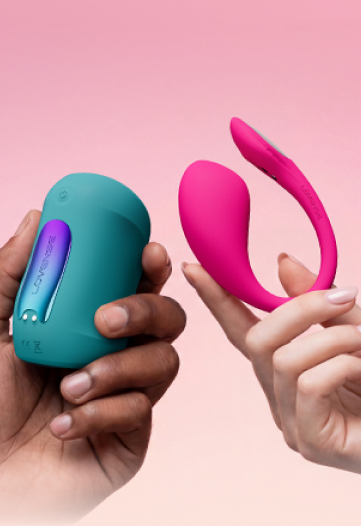
A handful of products line up well with the needs above, not because they’re marketed at seniors specifically, but because their actual design solves real problems: grip trouble, the need for hands-free use, and controls you can actually tell apart. All four connect through the same app, so once you’ve learned the controls on one, the rest work the same way.
| Product | What It Solves | Why It Helps |
|---|---|---|
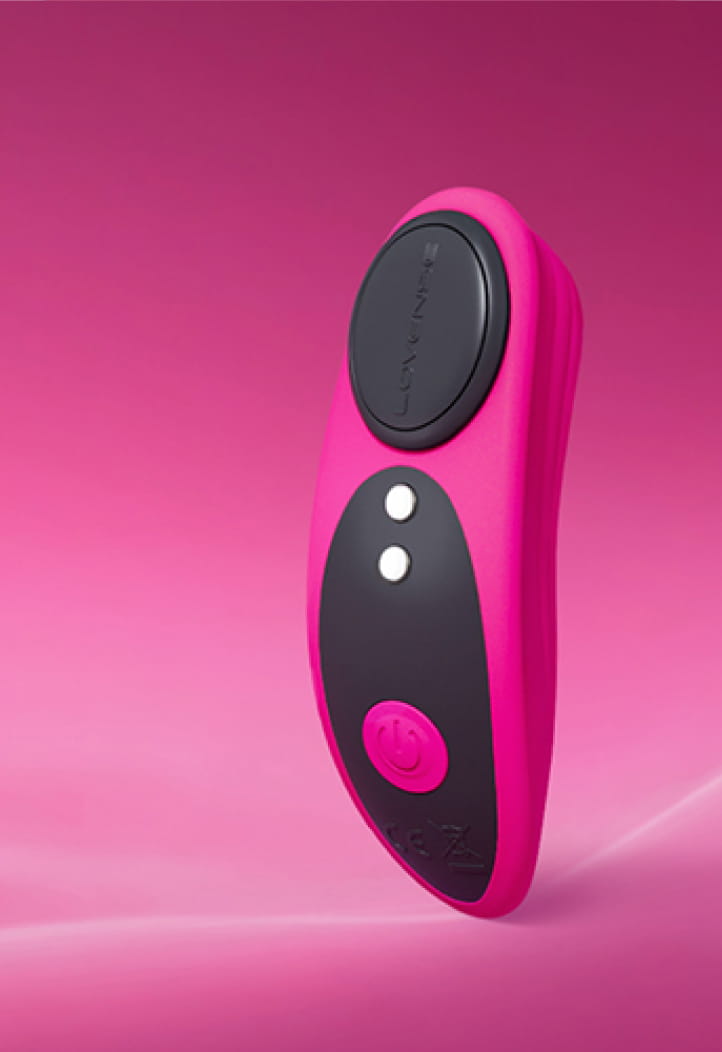
| Ferri | Grip and fine motor control | Wearable clitoral stimulator with a magnetic attachment instead of a clip or snap. Once it’s on, there’s nothing left to hold, and intensity runs through the app instead of a tiny physical button |
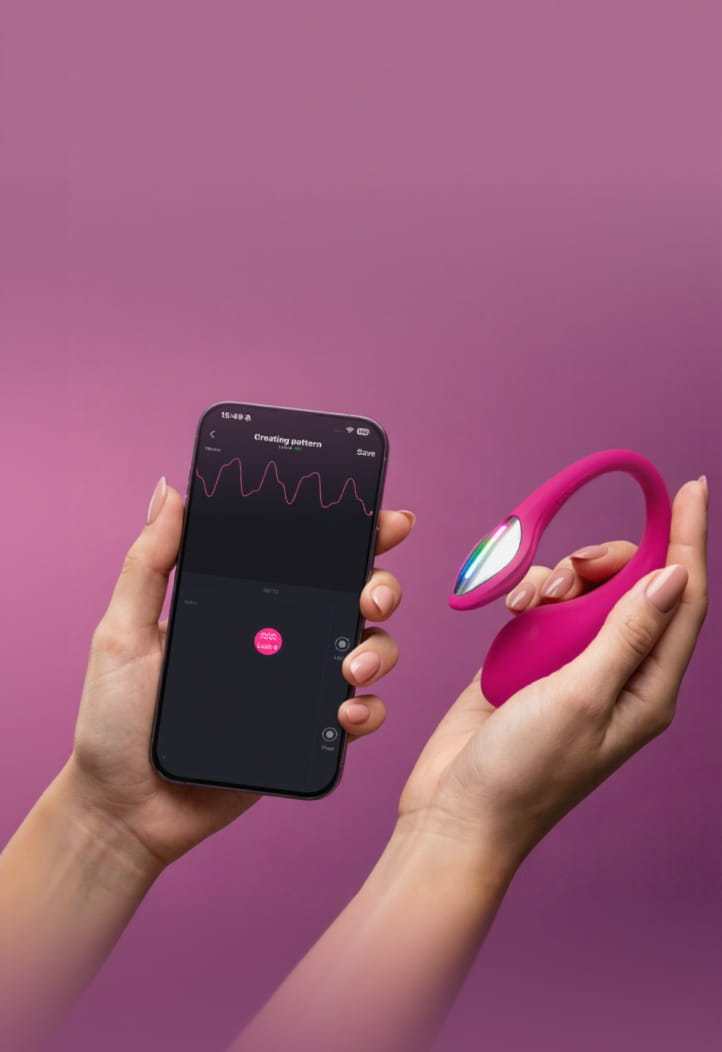
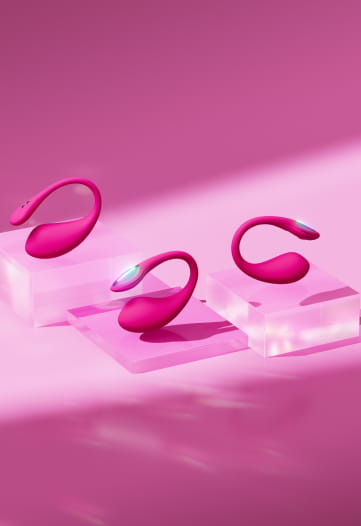
| Lush 4 | Hands-free internal stimulation | Once it’s inserted, there’s nothing to hold or reposition, and app control sidesteps the “finding tiny buttons by feel” problem. Insertion itself takes some dexterity, so it suits readers without major hand or wrist limits. |
| Hush 2 | Comfort and adjustability for anal play | Comes in multiple sizes instead of one fixed experience, with a flared base as a genuine safety feature. App control means no fumbling for buttons mid-use |
| Diamo | Erectile changes | A vibrating ring that works with a partial erection and adds stimulation for both partners. Simple enough for either partner to run. Keep wear time under 30 minutes, and check with a doctor first if you take blood thinners or have circulation issues. |
Lovense Ecosystem
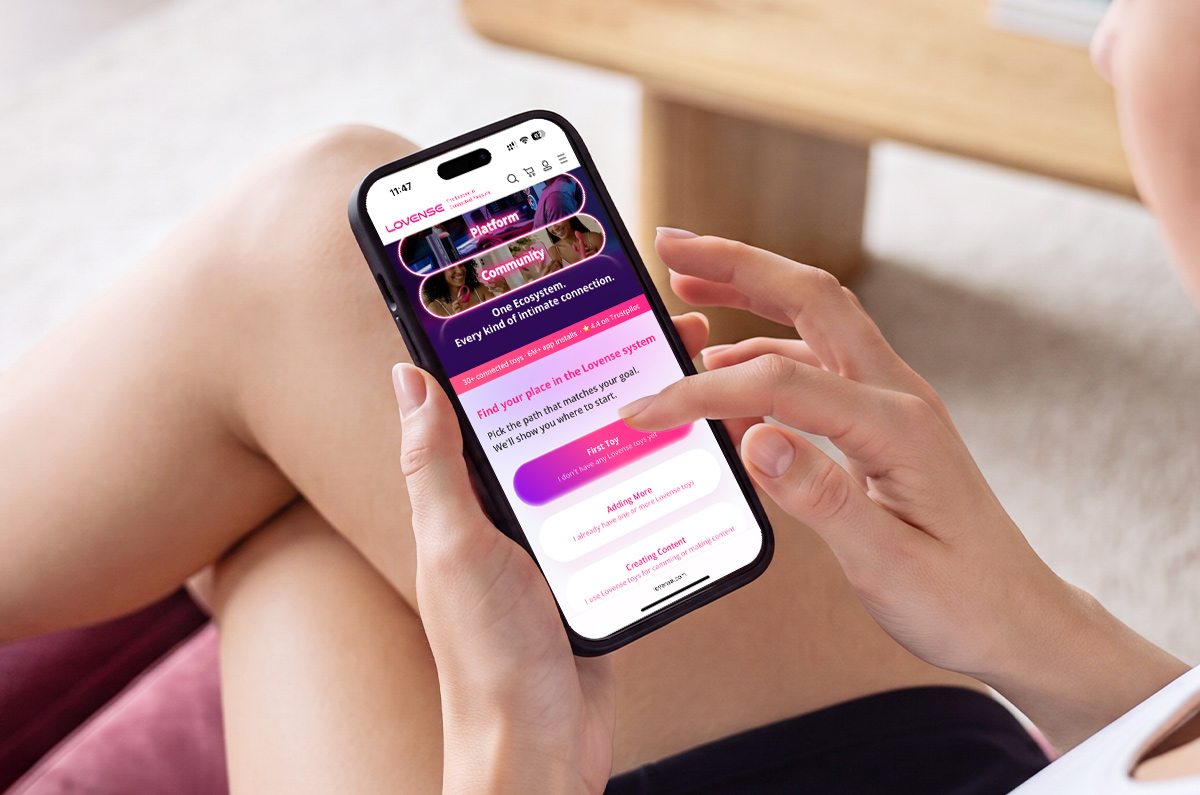
A Lovense toy can be more than a single device. With the free Lovense Remote App, you can control your toy from your phone, connect with a partner from anywhere, create custom patterns, or explore interactive features like music sync, sound control, long-distance play, and compatible content.
Lovense also works across a wider connected pleasure ecosystem, including supported games, videos, livestreams, creator tools, and community spaces. Whether you are choosing your first toy, adding to your collection, exploring couple’s play, or looking for more interactive ways to enjoy your device, the Lovense ecosystem gives you more ways to personalize the experience.
Other Types of Toys Worth Knowing About
App control isn’t the only path here. A few broader categories are worth understanding too, since plenty of people would rather not deal with an app at all.
| Type | How It’s Different | Best For |
|---|---|---|
| Wand-style vibrators | Delivers more raw intensity than most other categories | Arousal that genuinely needs stronger stimulation than it used to. Look for a slim handle if grip comfort is a concern |
| Suction or air-pulse stimulators | Uses pulsing air pressure instead of direct vibration | Anyone who finds traditional vibration too intense, or not effective enough anymore |
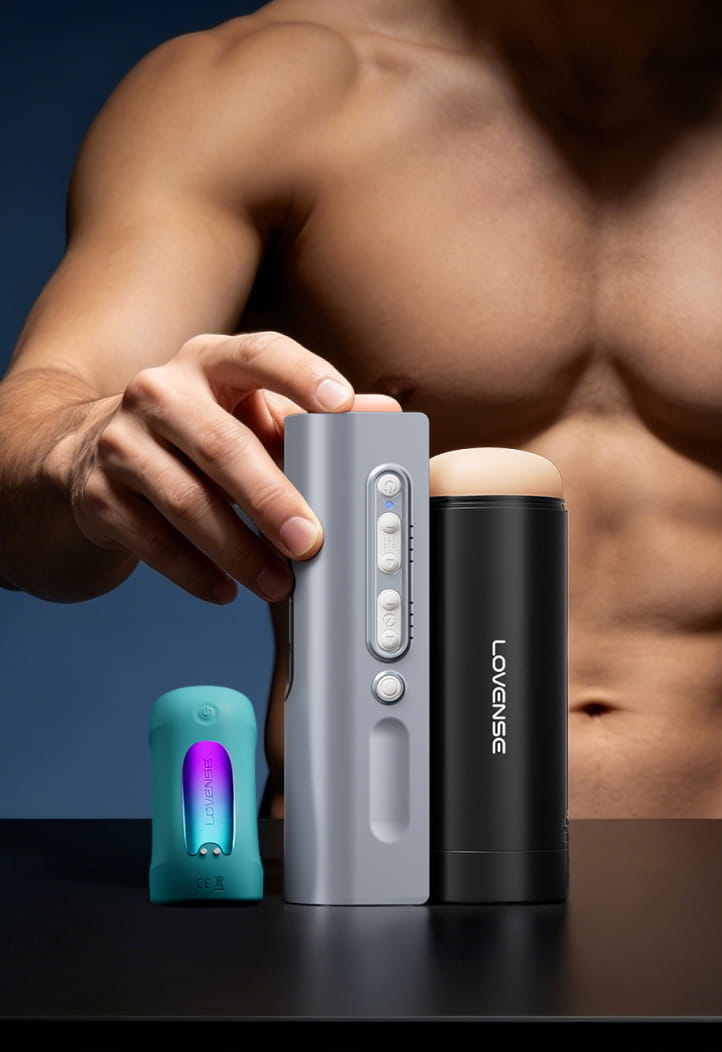
| Hands-free strokers | Doesn’t require an erection to work | Erectile changes, where pleasure and orgasm are still fully reachable with the right stimulation |
| Prostate massagers | Internal, adjustable stimulation | Curiosity about prostate stimulation without needing much manual dexterity to use it well |
Lubricant Matters More Than You’d Think
This isn’t optional, and it’s not just about comfort in the moment. Water-based or hybrid lubricant is the safer bet with silicone toys, since silicone-based lube will actually break down some silicone sex toys over time. Beyond toy compatibility, thinner, more sensitive tissue does better with more frequent, generous lube, not less, and some formulas double as both a lubricant and a daily vaginal moisturizer, worth looking into if dryness is a persistent thing rather than something that only comes up during sex.
It’s also worth paying attention to what’s actually in the bottle. Cheap, drugstore-shelf lubes are sometimes formulated with a pH or osmolality that’s rougher on vaginal or rectal tissue than people realize, which can lead to irritation over time rather than the relief you’re going for. It’s a small thing to check, but it’s the difference between a lubricant that helps and one that quietly works against you.
Comfort and Position Aids
Sometimes the fix isn’t a toy at all. A firm, angled pillow, the same kind you might already use for back support or acid reflux, can genuinely change how comfortable a position feels without straining a joint or your back. If arthritis or limited mobility makes certain positions rough, a dedicated wedge or support cushion built for that can open up options that might otherwise feel off the table.
For anyone dealing with more significant mobility limits, there’s a whole category of furniture-style support pieces built specifically for this, from angled cushions to more substantial pieces designed to hold a position without anyone having to brace themselves the whole time. None of it is necessary to enjoy any of the products above, but it’s worth knowing it exists if comfort, not desire, is the thing getting in the way.
Giving Yourself Permission
For a lot of people, especially women who grew up with very different messaging about sex and masturbation, the biggest hurdle isn’t a product at all, it’s giving yourself permission to use one. Seeing these products treated as normal, out in the open rather than hidden away, does a lot to signal that this is a normal thing to want and use, not something to feel embarrassed about.
That’s really the point of this whole guide. Wanting more pleasure at this stage of life isn’t a problem to solve quietly, it’s just a normal thing to want, the same as at any other age.
Talking to a Partner About It
If you have a partner, bringing this up for the first time can feel awkward, but it doesn’t have to turn into a whole conversation. One simple way to put it: “My body responds differently now, and I need extra sensation to reach orgasm reliably. Just like we use lube, this helps. I’ll show you how it can work for you too.” It frames the toy as something added, not something replacing anyone, and takes the pressure off both people.
Frequently Asked Questions
Is silicone actually safe?
Properly cured, non-porous silicone from a real manufacturer is genuinely body-safe. The risk comes from cheap knockoffs falsely labeled as silicone, which is exactly why buying from a known source matters.
Do these help with vaginal dryness?
Indirectly, yes. More blood flow from stimulation can support natural lubrication over time, but a dedicated lubricant or moisturizer is still the direct fix for dryness itself.
Is a vibrator the same as a medical device?
No. Most pleasure toys aren’t FDA-regulated. Products marketed specifically as medical, like dilators, go through FDA clearance and serve a different purpose.
Should I talk to a doctor first?
If you have a specific health condition, take medications that affect arousal, or just have questions about a particular product, it’s worth a quick conversation. Most doctors have heard far more than you’d expect and won’t blink.
What if it’s taking longer to orgasm than it used to?
That’s genuinely common and tied to the same hormonal shifts covered earlier, not a sign anything’s wrong. More direct, sustained stimulation, the kind a dedicated toy provides, is often exactly what closes that gap.
Are app-controlled toys hard to set up?
Not really. Most just need a one-time Bluetooth pairing, the same as connecting a pair of wireless headphones, and after that the app is the only control you’ll need.
The Bottom Line
None of this means reinventing your sex life from scratch. It means matching what you buy to what your body actually needs now, not what worked at 30. A good lubricant and the right position support can do more than people expect, and hands-free or app-controlled design isn’t a gimmick here, it solves a real, physical problem for a lot of people at this stage of life. The desire doesn’t go away with age. Sometimes it just needs a little backup.
Want More Reads?
- Accessible Pleasure: Choosing a Vibrator for Mobility Challenges
- How Do Women Masturbate – Most Common Techniques
- 60+ Male Masturbation Techniques and Tips to Better Pleasure