You probably have a pile sitting in your laundry room right now, but in BDSM, clothespins do far more than hold socks together. Something that simple can turn into a surprisingly intense sensation tool once skin is involved. From beginners curious about sensation play to experienced players building zipper patterns, BDSM clothespins are a classic for a reason.
They’re cheap, easy to find, and incredibly flexible. That sharp pinch, the slow burn while they’re on, and the rush when they come off can hit in ways even specialty clamps don’t always match. This guide breaks down how to use clothespins for kink safely, how to choose the right ones, and where on the body they tend to work best.
What are Clothespins in a Kink Context?
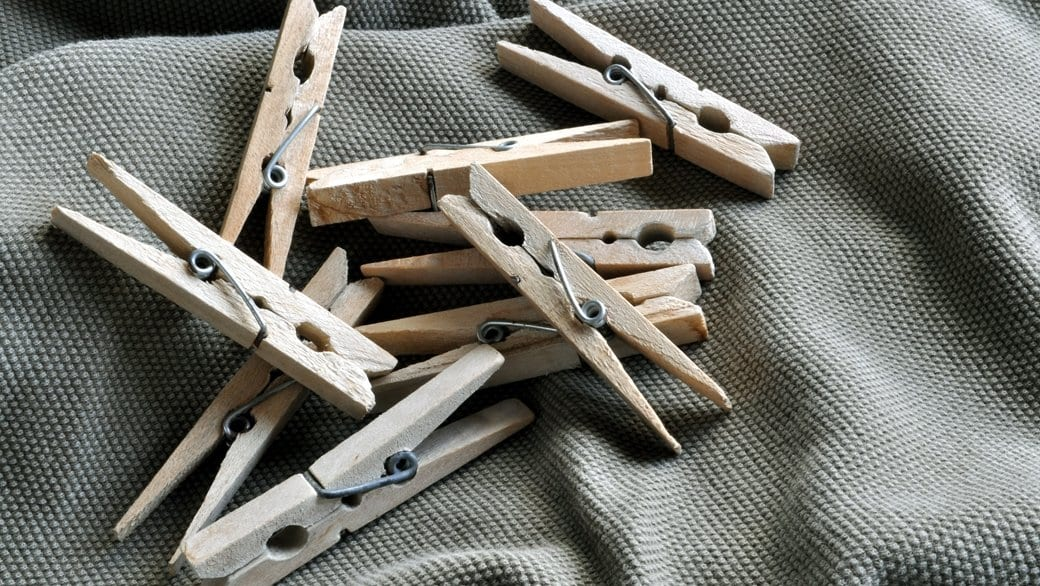
At their core, BDSM clothespins are exactly what they sound like: the humble wooden or plastic clips you’d find in a laundry aisle, repurposed for the skin. In a scene, they serve as a simple way to apply constant, localized pressure.
The “journey” of a clothespin is unique. It starts with a sharp, wake-up-call pinch, settles into a deep, heavy throb, and eventually results in a “rush” during removal as blood floods back into the tissue. It’s this specific cycle of sensation that makes them a staple in many toy bags.
The Appeal: Why Go Domestic?
While fancy gear is great, there is a specific psychological thrill in object transformation. Taking a mundane, everyday household item and turning it into a tool for intensity adds a layer of “anywhere, anytime” intimacy to a scene.
They are also the ultimate “scalable” toy. You can start with a single pin to test the waters or “zipper” dozens of them together with a string for a high-intensity finale. Because they are cheap and modular, they allow for a level of experimentation that expensive specialty gear often doesn’t.
Sensation, Pain, and Power
Clothespins aren’t just one-trick ponies; they shift depending on your intent:
- Sensation Play: Using light-tension pins on non-erogenous zones to create a “map” of feeling across the body.
- Pain Play: Stacking pins in sensitive areas to build a manageable, “spicy” threshold of endurance.
- Power Exchange: Using the pins as physical markers of ownership or control—decorating a partner’s body while requiring them to remain still or earn their removal.
Clothespins vs. Specialty Clamps: What’s the Difference?
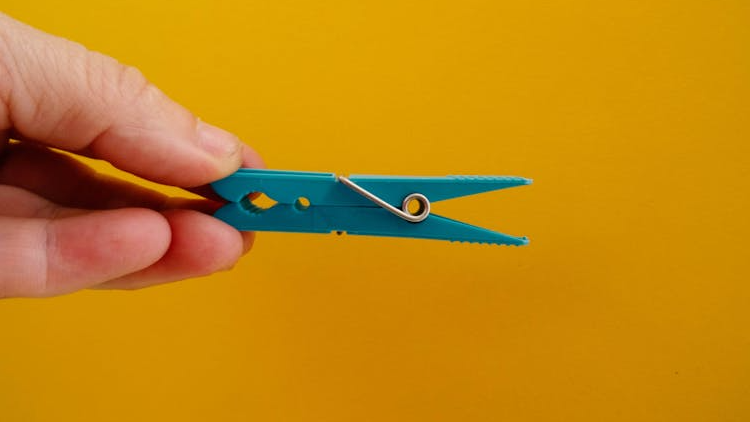
Newcomers often ask why they should bother with specialty nipple clamps from a sex shop if a bag of clothespins costs $2. The answer lies in precision versus versatility (hint: both ends of the budget are viable).
| Clothespins | Specialty Clamps (Alligator, Clover, etc.) | |
|---|---|---|
| Pressure | Fixed (One setting based on the spring) | Adjustable (Usually via a sliding ring or screw) |
| Weight | Very light | Often weighted to provide a “tugging” sensation |
| Fit | “One size fits all” (Good for skin folds) | Anatomically designed (Contoured for nipples/labia) |
| Visuals | Domestic, “DIY” aesthetic | Medical, industrial, or decorative/jewelry-like |
When to Choose Which?
Choose a Clothespin when you want to cover a large area of the body (like the back, thighs, or arms) or when you want the “snap” of a quick removal. They are more forgiving on different body types because they can grab any small fold of skin.
Choose a Specialty Clamp when you want to fine-tune the pain level. Most purpose-built BDSM clamps allow you to slowly increase the squeeze over an hour, whereas a clothespin is “all in” the moment it snaps shut.
Don’t Snub the ‘Mini’ Versions
Tiny craft pegs can pack a serious punch. While standard pins are great for a broad, heavy ache on areas like the thighs, mini-pegs concentrate all that spring tension into a single pinpoint. This shifts the sensation from a dull throb to a sharp, piercing bite, making them the “advanced” choice for anyone looking to spike the intensity. Note: like all clips, they’ll have different pressure levels; always test first.
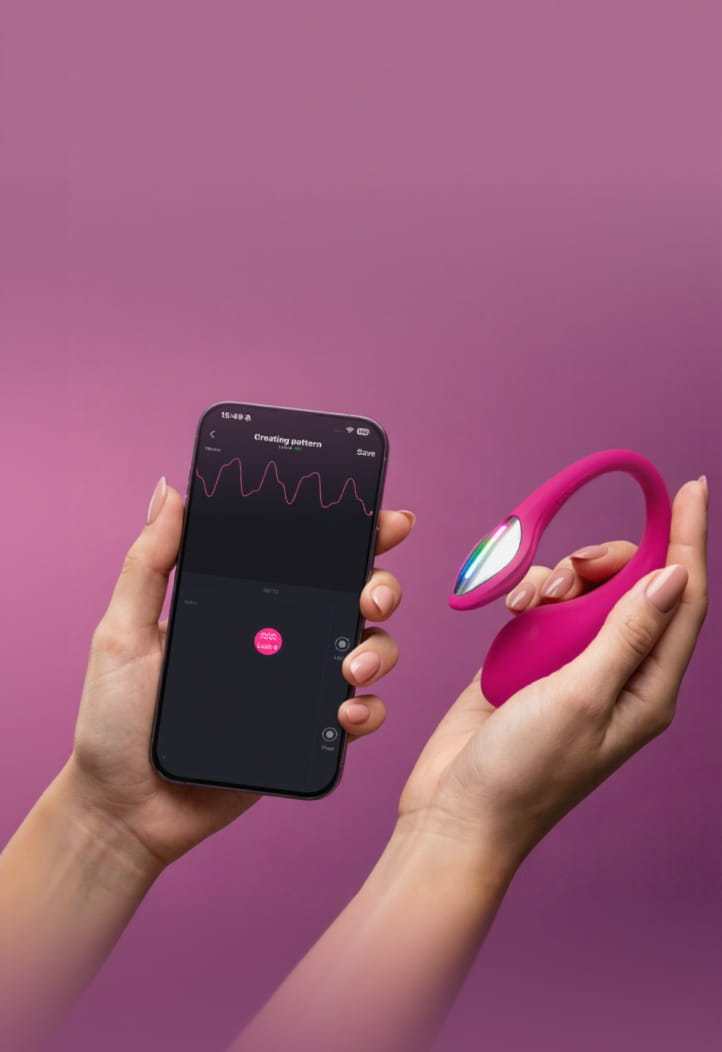
Want even more pleasure? Check out Lovense app-controlled sex toys
Gemini Vibrating Nipple Clamps

- Adjustable clamps with soft silicone tips for comfort
- Powerful twin motors for intense nipple stimulation
- App-controlled with sound, touch, or partner control
- Waterproof, rechargeable, and discreet for playful wear
Lush 4 + Gemini Combo
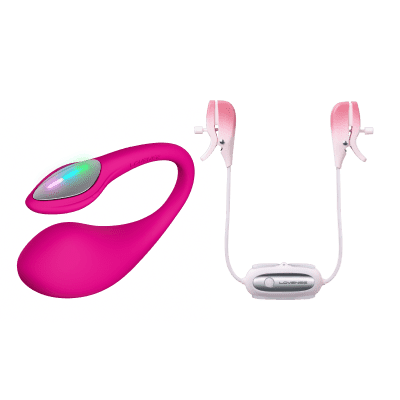
- Internal G-spot and external nipple stimulation in one set
- Hands-free control via app with unlimited pattern sync
- Use solo, with a partner, or in public for discreet fun
- Sync to music, sound, or remote control from anywhere
Choosing Your Pins: Materials, Shapes, and “Bite”
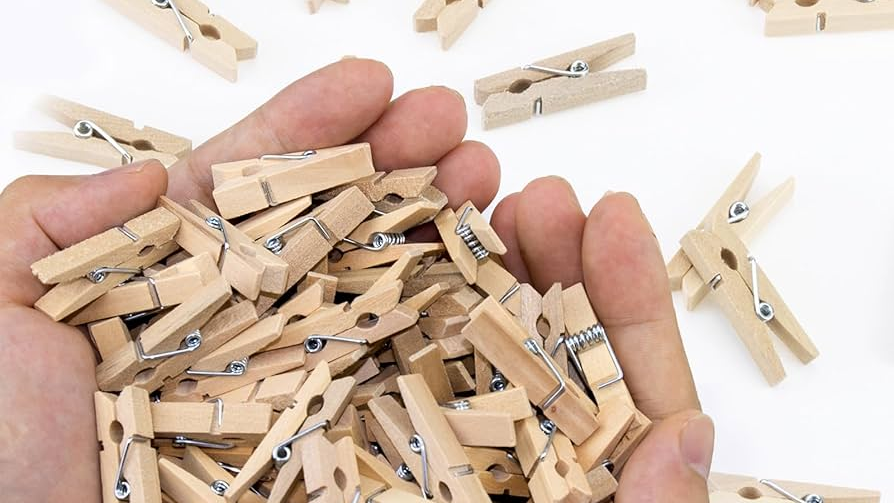
When you’re shopping for a scene, you aren’t looking for what holds a pair of jeans on a line; you’re looking for the “bite”—the specific way the spring tension and the jaw shape interact with the skin.
Wood vs. Plastic vs. Metal
The material determines both the feel and the longevity:
- Wood: The classic choice. Wooden pins generally have a “softer” grip because the material has a tiny bit of natural give. However, they are porous, meaning they can’t be truly sanitized.
- Plastic: These are the most common for high-intensity play. Plastic is rigid, which often results in a sharper, more unforgiving snap. They are also non-porous and easy to wipe down with toy cleaner.
- Metal: Usually found in craft stores or as “vintage style” clips. Metal pins carry more weight and conduct temperature, making them great for sensory play (think: dipping them in ice water before application).
Smooth Jaws vs. Ridged Teeth
The inside of the clip (the “jaw”) is where the sensation happens. Smooth jaws give a flat, even squeeze. They are the best for beginners or for long-term wear because they distribute pressure across a larger surface area. Ridged/Toothed have little “teeth” designed to grip fabric. On skin, these create pressure points
Warning:
Some teeth can easily break the skin or leave semi-permanent marks (bruising in the shape of the ridges). If you’re using toothed pins, check the skin every few minutes to ensure you aren’t cutting off circulation or causing a “pinch-cut.” And following the “don’t try on others until you’ve tried on yourself” rule.
Safety & Care of BDSM Clothespins
Using clothespins is a blast, but since they aren’t “official” toys, you have to be the safety inspector. Here is the lowdown on keeping your skin (and your partner) happy.
- Watch the “Circulation Clock”: Clothespins aren’t like a slap that’s over in a second; they’re a constant squeeze. If you’re a beginner, keep the time short. Even for pros, 15–20 minutes is the limit. If the skin looks ghostly white, deep purple, or feels cold and numb, take them off immediately.
- The “Snap” Test: Cheap plastic and old wood can give out. Before you start, open each pin wide. If it creaks or you see white stress lines in the plastic, toss it. You don’t want a pin snapping while it’s on someone—that leads to nasty “pinch-cuts.”
- Respect the “No-Go” Zones: Never put a clip on a thin or delicate area if you’re a beginner. Also, stay clear of piercings. Catching a pin on a nipple ring or labia stud is a quick way to end the night in the ER.
- Smooth the Edges: Factory pins often have “flash”—tiny, sharp plastic bits left over from the mold. Run your thumb over the edges first. If it’s scratchy, a quick rub with a nail file will save you from a bunch of tiny micro-scratches.
- Aftercare is Key: When the pins come off, that area is going to be super sensitive as the blood rushes back. Skip the hot showers or scented lotions for an hour. A gentle, hand-warmed massage with unscented oil is the way to go.
- Keep a Dedicated Stash: Don’t just grab the ones from your laundry line. Keep your “play” pins in their own clean bag. It’s more hygienic and keeps you from using a dusty clip that’s been hanging out in the garage.
Check out these 💓Aftercare Guides💓 for more information about how to help your partner after any kind of intense play.
- The Ultimate BDSM Aftercare Guide: Nurturing Doms & Subs Post-Play
- BDSM Checklist Guide: Yes/No/Maybe, Aftercare, and Safety Made Simple
- Ultimate BDSM Aftercare Kit: 50+ Ideas and Tips to Recover & Reconnect
Where to Put BDSM Clothespins
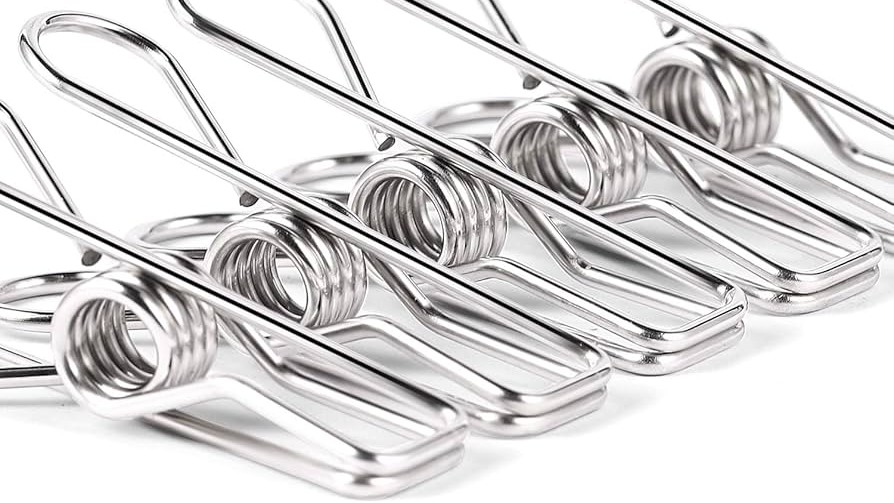
The fun part about clothespins is that the same little clip can feel totally different depending on where it lands.
The “Safe Bets” (Beginner)
The Spots: Outer upper arms, the belly, hips, butt cheeks, outer thighs, and the fleshy part of the chest (avoiding the nipples for now).
Why they work: These are your “low-stakes” zones. They usually have a bit more cushion, making it easy to grab a small fold of skin without much fuss. The sensation here is usually a steady, heavy throb rather than a sharp sting. Plus, since these areas are easy to see, you can easily keep an eye on how the skin is reacting.
Turning Up the Heat (Intermediate)
The Spots: Inner arms, the waist and ribs, the lower back, inner thighs, calves, earlobes, and the base of the nipples.
Why they work: Things get a lot “spicier” here. These areas have thinner skin and more nerve endings, so the “bite” of the pin is going to feel much sharper. Movement also plays a bigger role—just shifting your legs can make an inner-thigh pin spike in intensity. These spots are also famous for a massive “rush” during removal, so be ready for that.
The “High-Intensity” Zones (Advanced)
The Spots: Behind the knees, inner elbows, the webbing between fingers or toes, ear cartilage, the face (lips/nose), and sensitive genital areas like the labia, scrotum, or perineum.
Why they work: These are the “heavy hitters.” These spots are incredibly sensitive and the anatomy is a bit more complex. Because the skin is so thin and the nerves are so close to the surface, it’s very easy to overdo it. This is definitely territory for people who already know their limits and have a solid “stop” signal in place. You should also be incredibly careful with the neck; it’s better to avoid it entirely since there are major vessels.
The Art of the “Build”
Don’t just dump a bag of pins on someone. The fun is in the anticipation. Start by pinching a small fold of skin between your fingers first to see how they react, then apply the first pin deliberately. Put one on, pause, and check in.
Some people love the psychological side of this—try letting your partner see the pins you’re about to use, or keep the rest of the pile hidden so they don’t know if you have two left or twenty (blindfolds here are a blast!). This builds a ton of mental tension. You can also get creative with “patterning.”
Lining pins up in a straight row or a tight cluster doesn’t just look pretty; it creates a “wall” of sensation that’s much more intense than a single random clip. While they’re on, try lightly tapping or dragging your finger across the row to “wake up” the nerves. It keeps the sensation from going stale.
The Big Finish: The Removal
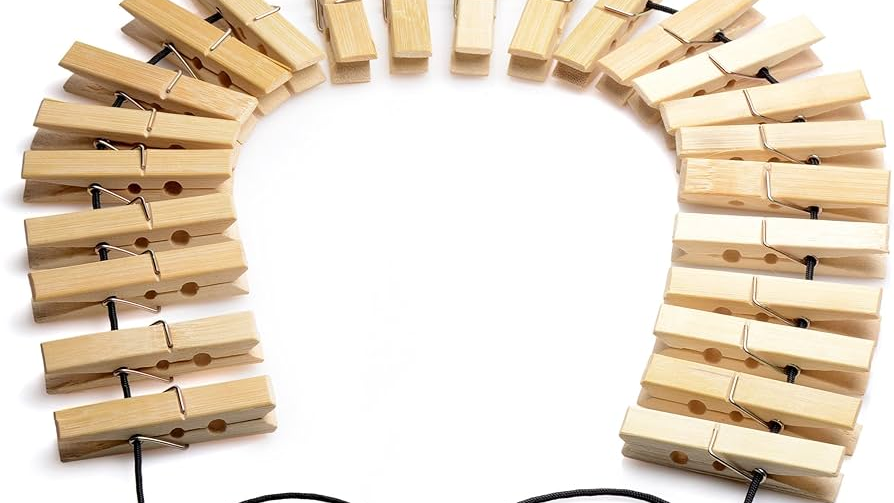
Most people think the pinch is the point, but the removal is another place where the real magic can also happen. When you take a pin off, the blood rushes back into the skin all at once. It’s an intense, stinging “flush” that can feel even stronger than the original bite.
You have a few ways to play this. You can take them off one by one, very slowly, to make the feeling last. Or, if you want a massive rush, you can go fast. Just a huge heads-up: never rip pins off if they have teeth or ridges. That’s how skin gets torn. If a partner uses a “stop” signal or a safeword, don’t rush—take the pins off manually and carefully.
What about the “Zipper”?
This is when you run a string through the springs of a long row of pins and pull it to pop them all off at once. It’s a massive sensory spike, but it’s not a “Day 1” move. It’s loud, pins go flying everywhere (watch the eyes!), and it can be a lot for someone to handle. If you try it, make sure you’re using smooth-jawed pins and that your partner is ready for a very loud, very fast finish.
FAQs on Kinky Clothespins
Yes, if you’re smart about it. The main risks are skin irritation, bruising, or pinching too hard. Avoid “no-go” zones like the neck or clitoris, and always check the skin for any weird color changes.
People usually mean this in terms of where clothespins are placed on the body or how someone is positioned during clip play. It’s one oftheose weird internet search terms like ‘clothespin position’ – someones just lazy with their typing.
Usually not. But they will definitely leave red “love bites” or little indentations that can last a few days. If you have a professional meeting or a family dinner coming up, keep them in spots that your clothes will hide.
That’s the “rush.” While the pin is on, it’s squeezing blood out of the area. When you take it off, blood and nerve signals flood back in all at once. It’s an intense, stinging flush that many people think is the best part of the scene.
Clothespin stellung is the same idea searched in German. It generally points to clothespin placement or positioning during BDSM play.
“Clothespin on penis” searches usually refer to advanced genital clip placements. These areas are very sensitive and should only be explored with experience, care, and clear consent. It’s yet another ‘lazy typing’ thing that ends up as a search engine keyword.
Final Thoughts on BDSM Clothespins
At the end of the day, clothespins prove you don’t need a suitcase full of expensive gear to have an intense, memorable scene. They’re the ultimate “hidden in plain sight” toy—cheap, versatile, and surprisingly effective.
Whether you’re using them to map out new sensations or to test your limits, the real magic is in how you transform an everyday object into something meaningful. Just keep it safe, watch the clock, and enjoy the rush. You’ll probably never look at your laundry the same way again.
Want More Reads?
- BDSM Flogger Materials – What Will Make Things Sting or Thud
- 12 BDSM Plants – Grow Your Own Pain Garden and Harvest Your Kink
- BDSM Paddle Materials & Sensations – Learn Your Spanking Options