
Whether you’re just starting to dip your toes into female-led power play or you’ve been at this for a while and just need some fresh Femdom ideas, this article is meant to get your head moving. The thing is, this kind of play can be playful, strict, sensual, nurturing, bratty, elegant, intense, or ritualistic – there’s even gentle femdom and cute domination.
. It can be elegant and intense or sweet and ritualistic. There’s no single blueprint for what this has to look like, mostly because every dynamic is built by the actual people in it
But before you just grab an idea and run with it, remember that the best scenes – and the best relationships- don’t happen by accident. They’re built on talking things through before you start, checking in while things are happening, and actually giving a damn about each other once it’s over. Boundaries, limits, and aftercare aren’t just “rules”, they’re what make the whole experience feel safe and actually satisfying for everyone involved.
What Is Femdom? A Real Look at Different Styles
At its simplest, Femdom is just a woman taking the dominant lead in a power exchange. That might be something that only happens in the bedroom, or it could be an ongoing lifestyle, or even just some light, flirtatious play. For some, it’s all about authority and strict rules. For others, it’s more about teasing, psychological games, or even just a specific kind of affection. That huge range is why “Femdom ideas” can look so different depending on who you ask.
Here are some ways people approach it:
- Soft or playful Femdom. This is all about confidence and teasing. It uses praise, flirtation, and light control, keeping the energy approachable rather than heavy.
- Strict or authoritative Femdom. This version is about structure. It’s centered on rules, discipline, high standards, and making sure expectations are met.
- Sensual Femdom. The focus here is seduction. It’s about building tension and anticipation, using intimacy and the general “vibe” of the room to maintain control.
- Caregiver or nurturing Femdom. Some women mix authority with a lot of warmth. This style is about guidance, reassurance, and taking care of the emotional side of the dynamic.
- Brat-taming Femdom. This one is for people who like a bit of push-and-pull. It plays with resistance and attitude, where the dominant partner has to actively reassert control.
- Psychological Femdom. Here, the power isn’t necessarily physical. It comes from words, posture, ritual, and keeping the other person in a specific headspace.
- Lifestyle or relationship-led Femdom. For some, this isn’t just a “scene” you do on a Friday night. It’s part of the way the entire relationship functions day-to-day.
This is only a starting overview, not a complete map. Femdom is a broad category, and the best Femdom ideas are the ones that match your personality, your partner’s desires, and the dynamic you both want to build.
100 Femdom Ideas to Get You Started
Rules, authority, and structure
- Create a one-night rulebook with three clear rules, such as “ask before sitting,” “use my title,” and “keep your phone face down,” plus one reward for following them all.
- Put them on permission-only speech for an hour, where they need approval before interrupting, changing the subject, or asking personal questions.
- Give them a posture standard for the night, such as ankles crossed on the couch, hands behind their back while standing, or eyes forward while waiting.
- Assign a formal title they must use for you during the scene, and correct them immediately each time they slip.
- Make them ask for every small privilege, including sitting down, taking a drink, using their phone, or stepping closer.
- Run a timed obedience drill where they must complete three simple commands before the countdown ends, such as fetching an item, kneeling in place, and repeating a phrase back correctly.
- Start with an inspection where you check grooming, clothing, attitude, and readiness before anything else begins.
- Introduce a correction ritual for mistakes. For example, if the towels are folded badly, they apologize in full, do a short wall sit, then redo the task to your standard.
Remember to write things down so there is no confusion later!
- Run a “speak only when addressed” scene for a fixed period and make eye contact or hand signals part of how they respond.
- Require them to memorize your preferences, such as how you take your tea, how you like the room set, or how you want them to greet you.
- Give them a “follow instructions exactly” challenge using very precise wording, then see whether they improvise or obey the letter of the command.
- Make access to the next stage of the evening depend on behavior, so politeness, attentiveness, and self-control actively shape what happens next.
- Create a formal dismissal ritual so the scene opens and closes under your authority, such as a required phrase, posture, and release command.
- Use a written agreement card for that specific night listing tone, limits, goals, and expectations before the scene begins.
- Establish one standing house rule that carries between scenes, such as how they ask for your attention or how they greet you when you meet.
Service and devotion
- Assign them to prepare your seat, blanket, lighting, and drink before you enter the room.
- Have them write a short service plan for the evening with three things they intend to do well and one area they want to improve.
- Put them in charge of one domestic task done exactly to your standard, such as folding towels, arranging a shelf, or making the bed.
- Have them present your coat, shoes, or accessories to you properly as a small ritual of care and attention.
- Assign a grooming task, such as brushing their hair, choosing your preferred outfit, or redoing their appearance until it meets your standard.
- Make them build a playlist around your mood and present it for approval, explaining why each track fits.
- Require a handwritten note focused on what they admire about your authority, discipline, or presence.
- Put them on footstool duty or seated-at-your-feet duty while you read, talk, or relax.
If you like tech, try out app-controlled sex toys!
Fizz – Dual-Head Clitoral Vibrator

- Rhythmic tapping and TwinAir®powered suction
- Up to 5200 airwaves/min
- Soft silicone and wide-mouth design
- Save customizable patterns
- IPX7 waterproof for shower play
- Master Control with other Lovense Toys
- Give them a silent service challenge where they must anticipate what you need without asking constant questions.
- Have them prepare a bath, reading nook, or rest space for you with specific instructions about temperature, lighting, and setup.
- Assign them to polish, clean, organize, or care for one object you value, then inspect the result together.
- Put them on tea or snack service with standards for timing, presentation, and how they hand things to you.
- Have them prepare a small offering or tribute that reflects your tastes, such as a favorite snack, flower, playlist, or handwritten page.
- End the evening with a verbal report where they tell you what they did well, where they slipped, and what they want to improve next time.
- Give them one recurring act of devotion that becomes “yours,” such as setting your chair, warming your blanket, or laying out your book.
Teasing, denial, and anticipation
- Give them a sealed note in the morning with one instruction they may open only at a specific hour.
- Set fixed check-in times during the day and require them to report in exactly the way you asked, down to the wording.
- Choose their full outfit in advance and require a formal presentation for inspection before the evening starts.
- Put them on doorway waiting duty, where they stand in a specific place and posture until you invite them closer.
- Create a token system where small privileges have to be earned and spent instead of simply assumed.
- Assign a discreet item to carry all day, such as a coin, ribbon, or note, that keeps your authority in their mind.
- Make them memorize a short phrase or rule set and recite it correctly before they are allowed to continue.
- Give them a timed preparation task with exact standards, then inspect the result and decide what they earned from it.
If something is physically hard ont he joints, considerin getting knee pads! Domming doesn’t mean abusive!
- Run a silence challenge where they must follow instructions for a set period without speaking unless directly permitted.
- Build a formal request ritual where they must ask for your attention in a very specific way, with the right words and posture.
- Put one object in the room off-limits and make restraint around that single object the whole test.
- Have them prepare the room to your standards, then walk through and correct anything careless, rushed, or incomplete.
- Use a praise ledger where good behavior throughout the day earns written marks toward a later privilege.
- Give them a strict “ready by” deadline with instructions on appearance, attitude, and what they must bring with them.
- Make them hold a designated position while you move around the room and decide on your own schedule when to acknowledge them.
Rituals and training
- Start a weekly check-in where they report on mindset, progress, behavior, and anything they want to work on.
- Give them a training phrase they repeat before a scene so the same words become part of entering the dynamic.
- Build a consistent entry ritual, such as waiting at the door, kneeling by a chair, or presenting themselves for inspection.
- Create a “lessons” format where each session focuses on one skill, such as posture, service, eye contact, or following exact instructions.
- Have them keep a private journal on which commands, rituals, or structures affect them most strongly.
- Set a precision drill where they must complete the same simple service task three times in a row exactly the same way, with no rushed movements or sloppy shortcuts.
- Introduce a review system with marks for effort, attitude, punctuality, and attention to detail.
- Teach them a nonverbal response system for scenes, such as one signal for “yes,” one for “I need clarification,” and one for “check in with me,” then make them use it correctly.
Non-Verbal Safewords
These are useful when you enjoy play where someone’s unable to speak, think gagged, or even in subspace, where speaking can get difficult. Even if you don’t think you’ll use them, it’s good to have one just in case!
- Use a self-assessment ritual after a task where they must tell you one thing they did well, one thing they missed, and one thing they will tighten next time before you give your verdict.
- Give them an opening recitation where they state their role, the tone of the scene, and the standard they intend to meet before anything begins.
- Have them keep a weekly standards sheet tracking punctuality, attitude, follow-through, and attention to detail for you to review together.
- Run a “first day of training” scene even if you know each other well, complete with inspection, rules, and evaluation.
- Have them bring one item that represents their mindset for the scene and explain why they chose it before you approve them.
- Build a gratitude ritual where they name what they value in the dynamic and what they appreciate about your leadership.
- End each scene with a guided debrief where they answer specific questions rather than just saying “that was good.”
Psychological and verbal play
- Run a scene built entirely on your voice, eye contact, and instructions without relying on props or setup.
- Make them confess a fantasy, weakness, or craving they usually keep hidden, then question them on why it matters.
- Play truth-or-command, where every round forces them to choose honesty or obedience.
- Use praise-conditioning so that certain words from you become a deeply meaningful reward over time.
- Create a temptation test where the challenge is not ability, but self-control under pressure and attention.
- Give them a simple task, like pouring a drink or folding a shirt, while you watch closely enough to make them nervous.
- Use a “read my mood and adapt” challenge where they must pay attention to your cues instead of waiting for step-by-step instructions.
- Make them narrate what they are thinking while following your lead so vulnerability becomes part of the scene.
- Build a scene around obedience under extreme scrutiny, where the pressure comes from being watched and evaluated.
- Have them ask for correction the moment they realize they slipped instead of waiting for you to point it out.
- Make approval the entire reward structure, where the emotional payoff comes from pleasing you well.
- Make them maintain eye contact while answering direct questions honestly, even when the truth embarrasses them.
- Run a scene where your silence becomes the control, forcing them to wait for subtle cues instead of words.
- Build a scene around one hidden rule they are expected to figure out by paying close attention to your reactions, tone, and corrections.
Want More Ideas? ➡️ 101 BDSM Humiliation & Degradation Ideas to Make Your Sub Squirm
Role-play and scene concepts
- Boss and assistant, with a formal performance review built around standards, attitude, and whether instructions were followed exactly.
- Queen and sworn servant, using court language, ritual greetings, and a structured audience where they present themselves before you.
- Teacher and difficult (of age) pupil, with corrections, written assignments, and a lesson they must complete to your satisfaction.
- Coach and trainee, where posture, stamina, discipline, and effort are assessed like part of a private training program.
- Lady of the house and hired help, with chores, inspection, correction, and expectations about how they speak to you.
- Interrogator and witness, where composure is tested through questioning, hesitation, and how they answer under pressure.
- Art patron and muse, where you position them, direct their posture, and evaluate how well they hold the pose.
- Stylist and client, where you choose the full look, reject what does not work, and approve only the final version.
- Judge and offender, with a mock hearing, statements in their defense, and a sentence based on your ruling.
- High priestess and devotee, using ritual language, symbolic offerings, and reverent ceremony instead of harshness.
- Collector and prized possession, where they are dressed, positioned, and “displayed” according to your standards.
- Director and performer, where they must hit their marks, follow cues, and repeat scenes until they do it correctly.
- Estate owner and secretary, with paperwork, dictation, correcting mistakes, and expectations of perfect professionalism.
- Scientist and test subject, where you observe responses, assign tasks, and record their reactions like a formal study.
- Hunter and prey. They chase the sub and get to have their way with them.
Gemini Vibrating Nipple Clamps

- Adjustable clamps with soft silicone tips for comfort
- Powerful twin motors for intense nipple stimulation
- App-controlled with sound, touch, or partner control
- Waterproof, rechargeable, and discreet for playful wear
Control in everyday life or long-form dynamics
- Let them choose from a menu you wrote, where every option still keeps you in charge of the overall direction.
- Set a dress code for one date night and make following it properly part of the dynamic.
- Put them on “message etiquette” rules for a day, including response style, speed, greeting, and sign-off.
- Assign one self-improvement task, such as fixing lateness, posture, tidiness, or planning, because it serves your standards.
- Give them a controlled planning task where they must organize part of the evening for you, but every choice still has to fit the standards you already set.
- Create a reward board where consistency earns privileges over time instead of rewards being given automatically.
- Give them a bedtime or end-of-day routine you designed, complete with check-in, report, and closing words.
- Make punctuality the whole test by setting a hard arrival time and clear expectations for readiness, presentation, and attitude.
- Build a “bad habit correction” dynamic around one real-life habit, such as interrupting, clutter, lateness, or making excuses.
- Add a day-after follow-through task so the dynamic has continuity, such as a reflection note, a service act, or a progress report by noon.
How to Communicate in a D/s Dynamic Before Trying Femdom Ideas
The strongest thing you can build is communication. A D/s dynamic runs on much more than attraction, confidence, or creativity. It works when both people understand what they want, what they welcome, what they want to avoid, and how they will handle things if the scene shifts in an unexpected direction. Communication creates the structure that lets power exchange feel exciting instead of confusing. It also makes space for both people to feel seen, respected, and fully involved in what they are building together.
Boundaries Shape the Scene
Boundaries are the framework around the dynamic. They help define where curiosity begins, where comfort lives, and where the line sits. For one person, a certain type of praise, control, or ritual might feel thrilling. For another, that same idea might feel awkward, overwhelming, or deeply unappealing. That difference is normal.
A good conversation before play can cover hard limits, softer limits, words or themes that feel off, emotional triggers, physical concerns, and the kinds of control that sound genuinely exciting. This is also the moment to talk about tone. Some people want playful dominance. Others want strict authority, nurturing control, sensual command, or something more psychological. The more clearly both people can describe the dynamic they want, the easier it becomes to choose Femdom Ideas that actually fit.
Safewords Keep Consent Active
A safeword gives both people a clear and immediate way to pause or stop what is happening. That matters because power exchange can involve intense emotions, physical sensation, performance, anticipation, and role-play language that might blur ordinary reactions.
A safeword (or non-verbal safeword) cuts through all of that. It gives the submissive a direct line to safety, and it gives the dominant a direct instruction to respond. Many people also use a simple traffic-light system, where green means everything feels good, yellow means slow down or check in, and red means stop.
Safewords do not ruin the mood. They protect trust, and trust is what gives the scene its depth in the first place.
Aftercare Matters Just as Much as the Scene
Aftercare is the conversation and care that happens once the power exchange eases. That can look different for every dynamic. Some people want cuddling, quiet, reassurance, water, food, or help settling back into their body. Some want space, a calm check-in, praise, or a debrief about what felt especially good.
Emotional intensity can linger after a scene, even when everything went well, so aftercare helps both people come down in a way that feels grounded and supported. It also creates a natural place to ask what worked, what felt strongest, what could be adjusted or worth exploring next time.
Important Femdom FAQs
Femdom is a consensual dynamic where a woman takes the dominant role. In a relationship, that can stay limited to scenes and bedroom play, or it can shape the wider dynamic through rules, structure, service, and authority.
Beginner-friendly femdom ideas usually keep things simple. That can mean setting a few rules, using permission-based speech, assigning small service tasks, giving posture instructions, or building anticipation through teasing.
Start with a conversation outside the bedroom. Talk about what sounds appealing, what feels off-limits, what tone you want, and what each person is curious about. Then pick one simple idea, agree on boundaries and a safeword, and treat the first experience as exploration rather than performance.
Talk clearly about what you want, what you are unsure about, and what is completely off the table. It also helps to discuss emotional triggers, body sensitivities, language, and tone. Boundaries work best when they stay part of an ongoing conversation instead of a one-time checklist. If verbal approaches are too hard, try writing them down.
A good safeword is simple, memorable, and easy to recognize right away. Many people also use green, yellow, and red for check-ins during play. The exact word matters less than both people understanding it clearly and agreeing to respond to it immediately.
It depends on the person. It’s anything that helps you come down, feel safe, and open up channels to talk about what happened, which can be right after or days after.
Soft femdom usually feels more playful, teasing, affectionate, or nurturing while still keeping the woman in control. Strict femdom leans more toward rules, discipline, formal authority, and correction. Neither is more valid. They simply create different kinds of dynamics.
Final Thought to Close Out Femdom Ideas
Femdom has room for far more variety than people often expect. For some, it feels playful and teasing. For others, it leans into structure, ritual, service, discipline, or a deeper D/s dynamic. The best femdom ideas are the ones that fit the people involved, their boundaries, and the kind of experience they actually want to build together. Whether you are exploring this for the first time or looking for new inspiration, communication stays at the center of it all.
Talk clearly, move at a pace that feels right, and treat trust, consent, and aftercare as part of the experience from start to finish. That is what turns an idea into something exciting, grounded, and worth returning to.
More Lovense Sex-Tech for Femdom Play
- Ferri Panty Vibrator – discreet for public play
- Hush 2 Butt Plug – comes in four sizes!
- Domi 2 Magic Wand – compact yet powerful!
Lovense Ecosystem
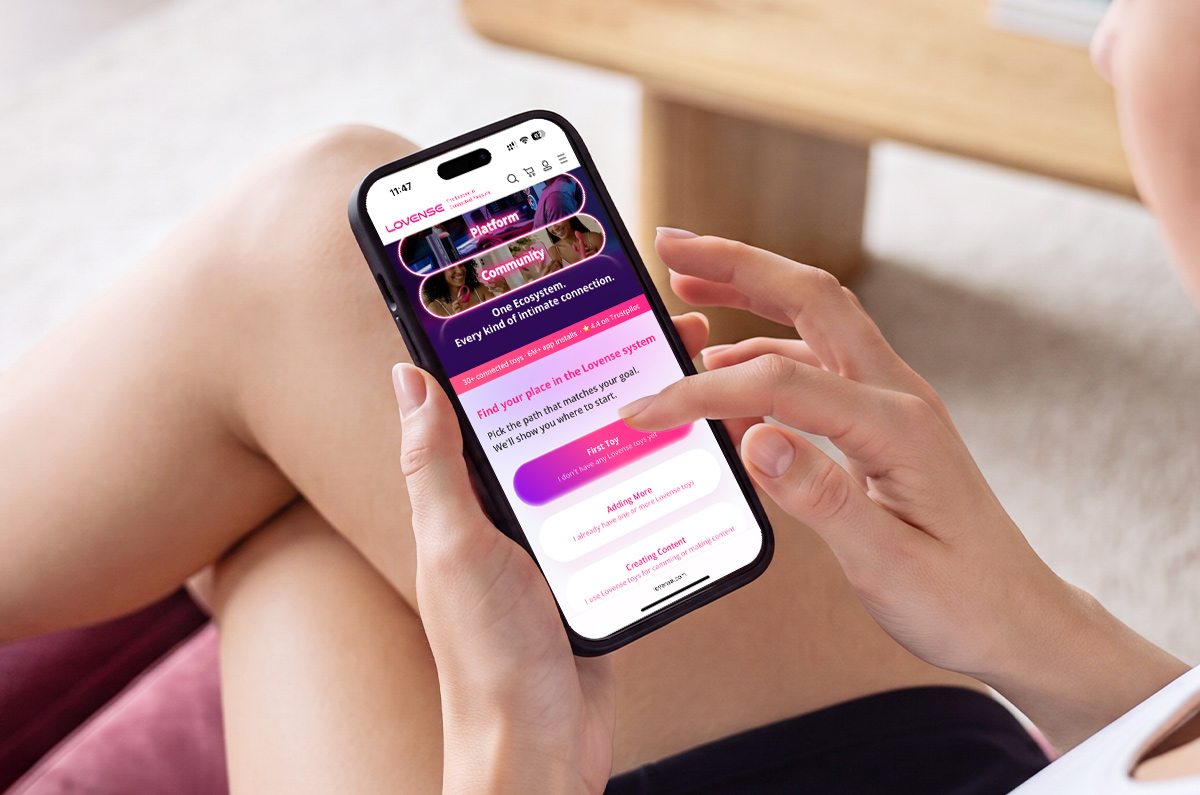
A Lovense toy can be more than a single device. With the free Lovense Remote App, you can control your toy from your phone, connect with a partner from anywhere, create custom patterns, or explore interactive features like music sync, sound control, long-distance play, and compatible content.
Lovense also works across a wider connected pleasure ecosystem, including supported games, videos, livestreams, creator tools, and community spaces. Whether you are choosing your first toy, adding to your collection, exploring couple’s play, or looking for more interactive ways to enjoy your device, the Lovense ecosystem gives you more ways to personalize the experience.
Want More BDSM Reads?
- Ultimate BDSM Aftercare Kit: 50+ Ideas and Tips to Recover & Reconnect
- BDSM Checklist Guide: Yes/No/Maybe, Aftercare, and Safety Made Simple
- Non-Verbal BDSM Safewords: Safe Signals to Use When You Can’t Speak