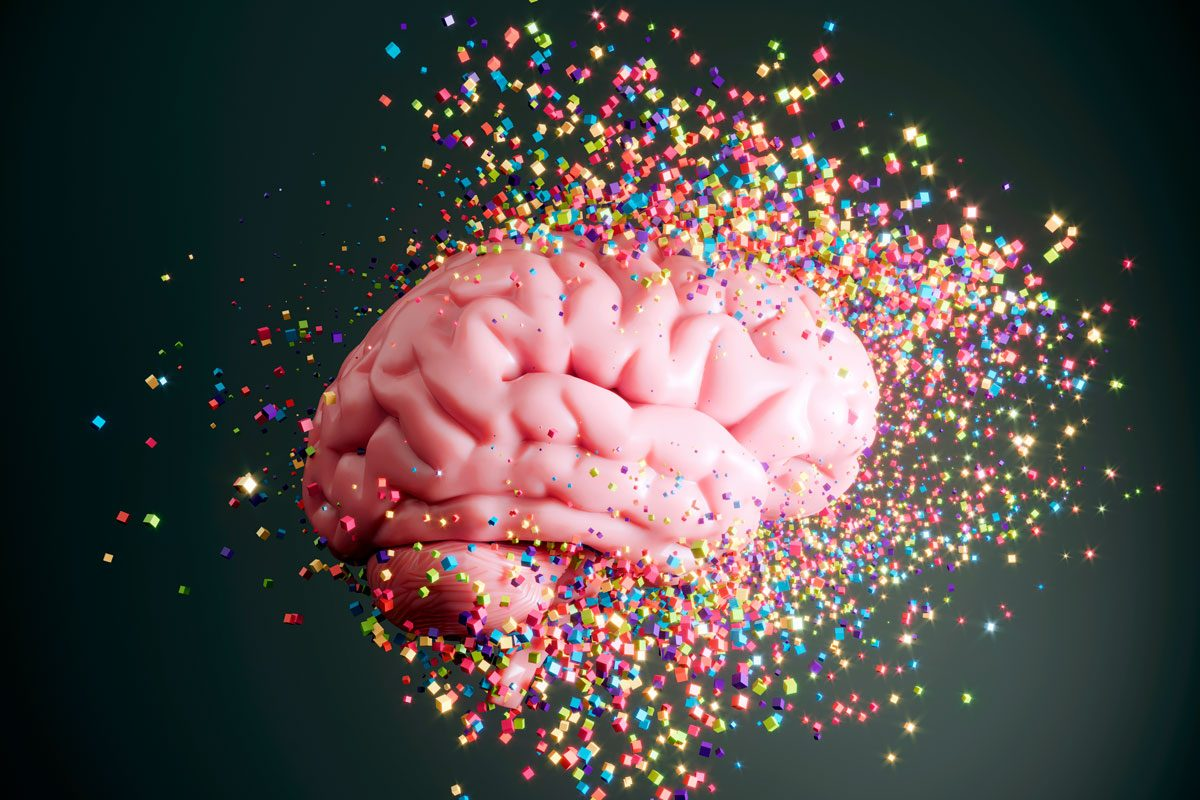
When you feel that unmistakable “jolt” of attraction, your brain isn’t just reacting to a person—it’s launching a neurochemical mission. At the heart of this is dopamine, the biological engine of desire.
While often called the “pleasure chemical,” the relationship between dopamine and sex is actually about the chase. It is the “motivation molecule” that drives the anticipation and pursuit of intimacy, rather than just the act itself. It’s the gasoline in your sex drive’s tank, ensuring that the “hunt” feels just as intoxicating as the reward.
But this high-octane system is a double-edged sword. From the inevitable “crash” of the post-sex refractory period to the way modern digital habits can “numb” your natural drive, understanding your brain’s sex circuit is the first step toward a healthier libido.
Table of Contents
- What is the Relationship Between Dopamine and Sex?
- The Science of the “Spike”
- The “Crash”: What Goes Up Must Come Down
- Modern Hijacks: From Evolution to ADHD
- How to Naturally Balance Dopamine for a Healthier Sex Life
- Decoding the “Love Chemicals”: The Quartet
- FAQs: Your Brain on Sex
- Final Thoughts on Dopamine and Sex
- Want More Reads?
What is the Relationship Between Dopamine and Sex?
The Neurochemistry of Desire:
Think of dopamine as your brain’s “chase” chemical. While most people call it a “pleasure hormone,” it’s actually the motivation molecule that handles the anticipation and pursuit of sex, rather than the act itself. If your sex drive were a car, dopamine isn’t the feeling of arriving at your destination; it’s the gasoline that gets you there.
The Dopamine Loop: How Your Brain Actually Works
- Trigger: A look, a scent, or even a memory flips the switch.
- Anticipation: Your Nucleus Accumbens (the brain’s reward center) floods with dopamine, creating that “itch” of desire.
- Action: You engage, fueled by that chemical high.
- Reward: The spike hits its ceiling at orgasm, right before your brain flips the script and brings in the “cooldown” chemicals.
The “Misconception” Flip: It’s Not About the “Feel-Good”
Fascinating clinical studies show that when you block dopamine, subjects might still technically “enjoy” a reward, but they lose all the hustle to find it. This is a massive distinction: if your libido feels dead, you might not have a “pleasure” problem—you likely have a dopamine signaling problem. Your brain hasn’t lost its ability to enjoy sex; it has just stopped telling you that the chase is worth the effort.
The Science of the “Spike”
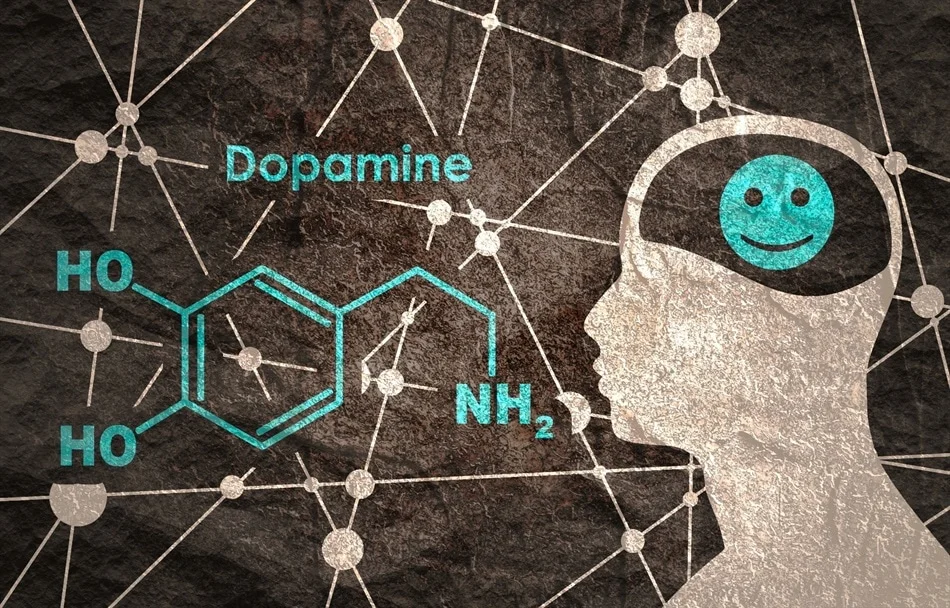
The Mesolimbic Pathway: Your Brain’s Sex Circuit
To understand sexual drive, you have to look at the Mesolimbic Pathway. This isn’t just a “feeling” – it is a specific neural circuit that begins in the Ventral Tegmental Area (VTA). When you encounter a sexual trigger, the VTA releases neurons that flood the Nucleus Accumbens with dopamine via the Medial Forebrain Bundle.
The Nucleus Accumbens acts as the brain’s “valuation office.” It doesn’t just register pleasure; it calculates Incentive Salience. This is the process where your brain decides exactly how much effort and risk you should expend to achieve a reward. This circuit is so evolutionarily dominant that it can physically override your logical centers, creating that “all-consuming” feeling of desire.
Logic vs. Libido: The “Transient Hypofrontality” Effect
While the VTA is flooding your system, your Prefrontal Cortex (PFC) – the part of the brain responsible for judgment and impulse control – undergoes what scientists call Transient Hypofrontality. Essentially, the dopamine surge “quiets” the executive function of the brain. This isn’t just a lack of focus; it is a physical dampening of the brain’s ability to process risk. This explains “tunnel vision” in the bedroom: your EB has been temporarily muted, leaving the “Primal Brain” in the driver’s seat.
Prediction Error: Why the “Hunt” Outperforms the Act
There is a specific neurobiological reason why the “buildup” often feels more intense than the sex itself: Reward Prediction Error. Dopamine neurons fire most aggressively when there is uncertainty. During “the hunt,” your brain is constantly calculating the probability of a reward. Once the “reward” (the act) is guaranteed, the “prediction error” drops to zero. Your brain has “solved the puzzle,” so it stops the chemical flood and the levels begin to stabilize.
The “Crash”: What Goes Up Must Come Down
The moment the dopamine peak hits its ceiling at climax, your brain initiates a safety shutdown. To prevent your reward system from burning out, the Hypothalamus triggers an immediate flood of Prolactin.
Think of Prolactin as the direct chemical antagonist to dopamine. Its job is to physically “shackle” your dopamine receptors, effectively turning off the “seeking” behavior. This is what creates the Refractory Period – the window of time where physical arousal becomes biologically impossible. In men, this spike is significantly more aggressive, which is why the “drop-off” in interest is often more abrupt.
The Serotonin Safety Net: Catching the Fall
As dopamine (the “wanting” chemical) exits the stage, Serotonin (the “contentment” chemical) is supposed to step into the spotlight. While dopamine is about the high of the hunt, serotonin is about the peace of the “afterglow.” When your neurochemistry is balanced, this serotonin shift creates a sense of safety and emotional bond. It acts as a safety net, catching you as you fall from that massive dopamine high.
Decoding “Post-Coital Tristesse” (The Post-Sex Blues)
For some, the transition from Dopamine to Prolactin is so violent that it leads to Post-Coital Tristesse (PCT) – a sudden wave of sadness or anxiety right after sex. This is a neurochemical cliff. Your brain just went from a massive dopamine “high” to a Prolactin-induced “low” in seconds. If your Oxytocin levels don’t rise fast enough to buffer the drop, you hit the floor emotionally. Understanding that this “emptiness” is a temporary chemical rebalancing act can take the sting out of a confusing moment.
Modern Hijacks: From Evolution to ADHD
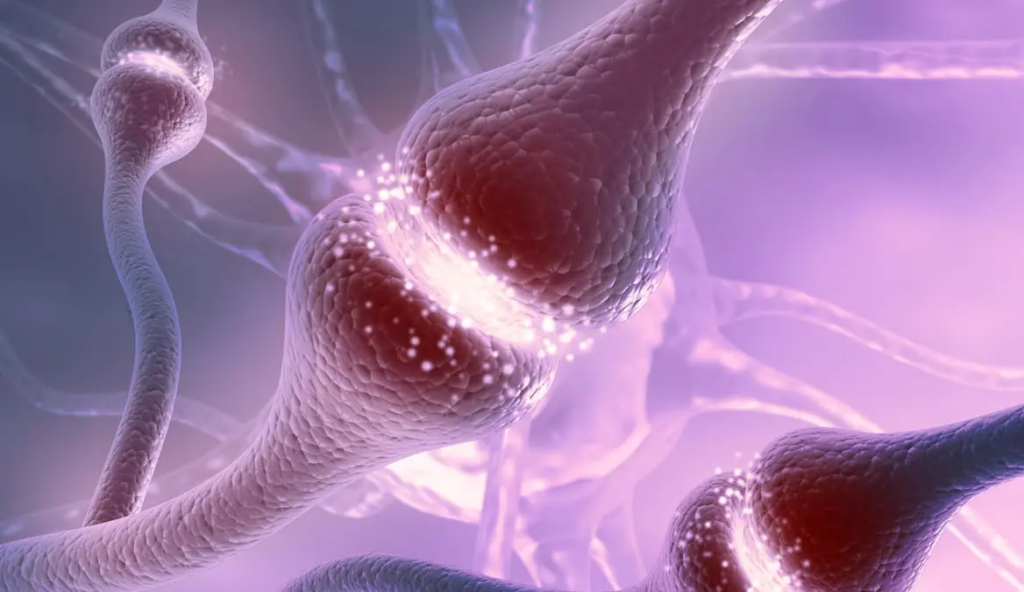
The Coolidge Effect is a specific reset of the Refractory Period triggered by novelty. In biological terms, the brain identifies a “Novelty Reward Prediction Error,” dumping massive amounts of dopamine when a new partner is introduced to encourage genetic diversity. In a long-term relationship, dopamine naturally shifts into a lower “maintenance phase.” The brain can mistake this natural chemical shift for a “lack of love” when it is actually just seeking a baseline reset.
But, when the brain is flooded with “Supernormal Stimuli” (like high-speed digital pornography) it protects itself through Receptor Downregulation. The brain physically reduces the number of D2 Dopamine Receptors to prevent being overwhelmed. The result is a “numbed” reward system where real-world intimacy fails to reach the chemical threshold required to trigger arousal.
Because ADHD brains have a lower Baseline Dopamine, they often seek out sex as a high-intensity stimulus to “quiet” the brain. However, if the stimulus isn’t high enough, the brain’s Salience Network switches focus to a more “novel” thought. It isn’t boredom with a partner; it’s the brain’s reward center struggling to stay “powered on” without a constant, high-intensity signal.
How to Naturally Balance Dopamine for a Healthier Sex Life
If you feel like your “desire engine” is stalling, you don’t necessarily need a magic pill; you might just need to fix your baseline. When your receptors are fried from constant high-stimulus (think endless scrolling, caffeine, and high-sugar diets), the subtle, slow-burn dopamine of a healthy sex life simply can’t compete.
The “Dopamine Reset” for Intimacy
This isn’t about monk-like abstinence; it’s about sensory recalibration. If you’ve noticed a “numbness” in your sex life, try a 48-hour “low-dopamine” window. Cut out high-speed digital triggers and focus on tactile, real-world sensations. By lowering the “noise” in your nervous system, you trigger Receptor Upregulation – allowing your brain to physically grow more sensitive to the “whisper” of natural touch again.
Nutrition & Lifestyle: Feeding the Machine
- The L-Tyrosine Connection: This amino acid is the direct precursor to dopamine. To keep your levels steady, focus on “brain foods” like eggs, lean beef, almonds, and avocados. Without these building blocks, your VTA cannot manufacture the “drive” required for arousal.
- The Sleep Factor: Deep sleep is when your brain “cleans” and resets its receptors. Chronic sleep deprivation literally damages your D2 receptors—the ones responsible for that “itch” of desire. If you aren’t sleeping, your brain won’t fire those “wanting” signals, regardless of attraction.
⚠️ When to See a Professional
While lifestyle tweaks do wonders, some “dopamine dips” are clinical. If you are experiencing a total, long-term loss of libido (HSDD), persistent erectile dysfunction (ED), or find yourself trapped in compulsive sexual behaviors that feel out of your control, it’s time to talk to a doctor. Issues like low testosterone or clinical depression often mimic a “dopamine problem” but require a medical diagnosis.
Decoding the “Love Chemicals”: The Quartet
| Chemical | The Role | The Feeling | Peak Moment |
|---|---|---|---|
| Dopamine | The Hunter | “I want this now.” | The Chase & Arousal |
| Endorphins | The Opiate | “I feel no pain, only bliss.” | During the Act & Climax |
| Oxytocin | The Glue | “I feel safe and close.” | Post-Orgasm & Cuddling |
| Serotonin | The Stabilizer | “I am content and satisfied.” | Long-term Connection |
The Golden Ratio: If you have all Dopamine and no Oxytocin, you’ll find yourself in a cycle of “hookup culture” where the chase is thrilling but the aftermath feels hollow. Conversely, too much Serotonin without enough Dopamine can lead to the “roommate phase”—where you love each other deeply, but the sexual “hunger” has vanished.
FAQs: Your Brain on Sex
Yes. During arousal and climax, the VTA and Nucleus Accumbens release a massive surge. This is why sex can feel as chemically intense as high-level stimulants.
Not exactly. Your brain is always producing it, but you can “wear out” your receptors through downregulation. Overstimulation makes your brain “mute” its ability to feel dopamine, making real-world sex feel boring.
Absolutely. This is caused by a sharp drop in dopamine combined with a spike in prolactin, which acts as a biological brake. If you feel a wave of sadness (Post-Coital Tristesse), it is simply your neurochemistry rebalancing.
The mechanics are similar, but triggers vary. Research suggests visual novelty often hits faster for men, while emotional safety (oxytocin) is often the “gatekeeper” that allows the dopamine system to unlock for women.
Final Thoughts on Dopamine and Sex
Ultimately, your dopamine and sex connection isn’t just about the “high”—it’s about the balance between the chase and the connection. Your brain is wired to pursue, but it’s also designed to rest and recalibrate. When you understand the neurobiology of desire, you stop blaming your “willpower” or your “attraction” and start looking at your chemical baseline.
Whether you’re navigating the natural “cooldown” of a long-term relationship or resetting your receptors after a digital overload, the goal is homeostasis. By prioritizing sleep, managing external stimulation, and feeding your brain the raw materials it needs, you can move from a state of compulsive “seeking” to a state of genuine, sustainable intimacy. Your brain is a plastic organ; it can heal, it can reset, and it can rediscover the profound reward of a balanced reward system.
Want More Reads?
- Reducing Stress So You Can Increase Your Libido
- Ovulation Sex Drive: Why You Get That Mid-Cycle Surge
- Habits That Hurt Your Sex Life: Alcohol, Vaping & Stress