TL;DR
- Bring it up outside the bedroom, in a low-pressure moment, not mid-hookup.
- Wanting to try a toy isn’t a sign anything’s missing or wrong with your sex life.
- If your partner hesitates, ask questions instead of pushing, and let “not now” be different from “not ever.”
- Pick a toy together based on size, texture, budget, and experience level, not just one person’s research.
- The first time might feel a little clumsy. That’s normal, not a failure.
- Talk about it afterward, casually and without turning it into a performance review.
Any toy the two of you use together counts as a couples toy. That’s really the whole definition. It doesn’t need a fancy app or a matching set to qualify. What actually trips people up isn’t finding the right product. It’s figuring out how to bring it up in the first place without the conversation turning into a whole thing.
This guide walks through that part specifically. Not a giant list of products to scroll through, but the actual mechanics of starting the conversation, handling it if your partner isn’t sure, picking something together, getting through that first slightly clumsy try, and what happens after.
Why This Isn’t a Sign Something’s Wrong
Let’s clear this up first, because it’s usually the real thing holding people back.
Wanting to bring a toy into your sex life doesn’t mean your partner isn’t enough, and it doesn’t mean anything is missing. A toy can’t replicate closeness, and it isn’t trying to. It just does something a body physically can’t do on its own, the same way a massage gun doesn’t replace a partner’s hands, it just adds something different to the mix.
This fear runs both directions too. Sometimes the person bringing it up worries they’ll come across as dissatisfied. Sometimes the partner hearing about it worries they’re somehow not measuring up. Neither read is accurate. Curiosity about a toy is just curiosity. It’s not a review of anyone’s performance.
It also helps to remember this isn’t some fringe thing only a few couples try. Toys have become a pretty normal part of a lot of relationships, whether that’s a couple who’s been together five years and wants to shake things up, or two people a few months in who are still figuring out what they like together. What feels like a uniquely awkward conversation to have in your own relationship is, to a lot of other couples, just a normal Tuesday. Wanting to explore isn’t a red flag. It’s just curiosity, and curiosity is a pretty good sign in a relationship, not a bad one.
Where and When to Actually Bring It Up
Timing matters more than people expect. A sex coach quoted in one guide put it simply: this is a conversation to have outside the bedroom, not in the middle of things. Bringing it up mid-hookup puts your partner on the spot with zero time to think, which almost guarantees an awkward reaction even if they’d be into it with a minute to process.
A low-stakes moment works better. On a walk. Cooking dinner. Lying around doing nothing in particular. You want a moment where nobody feels cornered. You also don’t need a big formal announcement. A few ways to open it that don’t feel like a performance review:
- “I was reading something about how toys can add a bit of variety, and I thought it might be fun to try together. What do you think?”
- “What if we started slow? I found something pretty beginner-friendly that could ease us into it.”
- “I’ve been curious about trying something new together. No pressure at all, just wanted to see how you’d feel about it.”
All three keep it framed as an experiment you’re doing as a team, not a request being made of one person by the other. That framing alone changes how it lands. Notice none of them ask for an immediate yes either. They leave room for your partner to sit with the idea instead of answering on the spot, which usually gets you a more honest response than putting them on the clock.
If They’re Hesitant or Say No
Sometimes the answer isn’t an easy yes, and that’s worth planning for instead of hoping it won’t happen.
A hesitant partner is often working through something specific, even if they can’t name it right away. Maybe they’re worried it means they’re not satisfying enough. Maybe they’ve never used a toy and feel unsure or even a little embarrassed about that. Maybe there’s a specific type of toy that makes them uneasy for reasons that have nothing to do with you, like anal or prostate toys getting tangled up in unrelated anxieties about masculinity or sexuality that really don’t apply here at all.
Whatever the shape of the hesitation, pushing isn’t the move. Ask questions instead. What specifically feels off? Is it the idea in general, or something about this particular toy? Sometimes just talking it through untangles a worry that was never really about you.
One tactic worth trying if a partner feels shy: let them be the one holding the control. Have them use it on you first, so they can see exactly what it does and how it works before it’s ever pointed at them. Watching removes a lot of the mystery, and mystery is usually where the nerves are hiding.
It can also help to separate “not right now” from “not ever.” Someone who isn’t ready this month might feel totally different in six months, especially once the idea has had time to sit without any pressure attached to it. Checking back in occasionally, gently and without an agenda, keeps the door open without turning it into a recurring negotiation.
Remember: If the answer is genuinely no, not right now, that’s allowed. This isn’t something to push through. It’s supposed to feel good for both people, and that includes feeling good about how it got introduced.
Choosing a Toy Together, Not Just Discussing One
Once you’re both open to it, picking something becomes its own kind of fun, if you treat it as a shared decision instead of one person doing homework and presenting a verdict.
A few things worth talking through together before you buy anything:
Size and firmness. These vary a lot between people, and what feels great to one person can feel like nothing, or too much, to another. There’s no universal right answer here, only what you two actually respond to.
Texture and intensity. Some people find strong vibration overwhelming fast. Others find anything gentler barely register. Knowing which end of that spectrum you’re each closer to saves you from buying something that ends up sitting unused.
Realistic versus abstract shape. Some couples prefer something that mimics a familiar shape. Others actually prefer toys that don’t, since it can feel less like a comparison and more like its own thing entirely. Neither preference is more common or more “normal” than the other.
Budget. Prices for body-safe toys range widely, and there’s no reason to overspend on a first purchase before you know what you actually like. It’s easier to justify a nicer version later once you’ve confirmed the category works for you.
Level of experience. If one of you has used toys before and the other hasn’t, it’s worth naming that gap out loud rather than assuming you’re starting from the same place. It changes what “beginner-friendly” actually means for the two of you specifically.
Browsing together, even just scrolling a site side by side on the couch, turns the whole thing into something closer to foreplay than shopping. Laugh at the weird-looking ones. Ask each other what catches your eye. It takes the pressure off picking the “correct” toy, because there isn’t one.
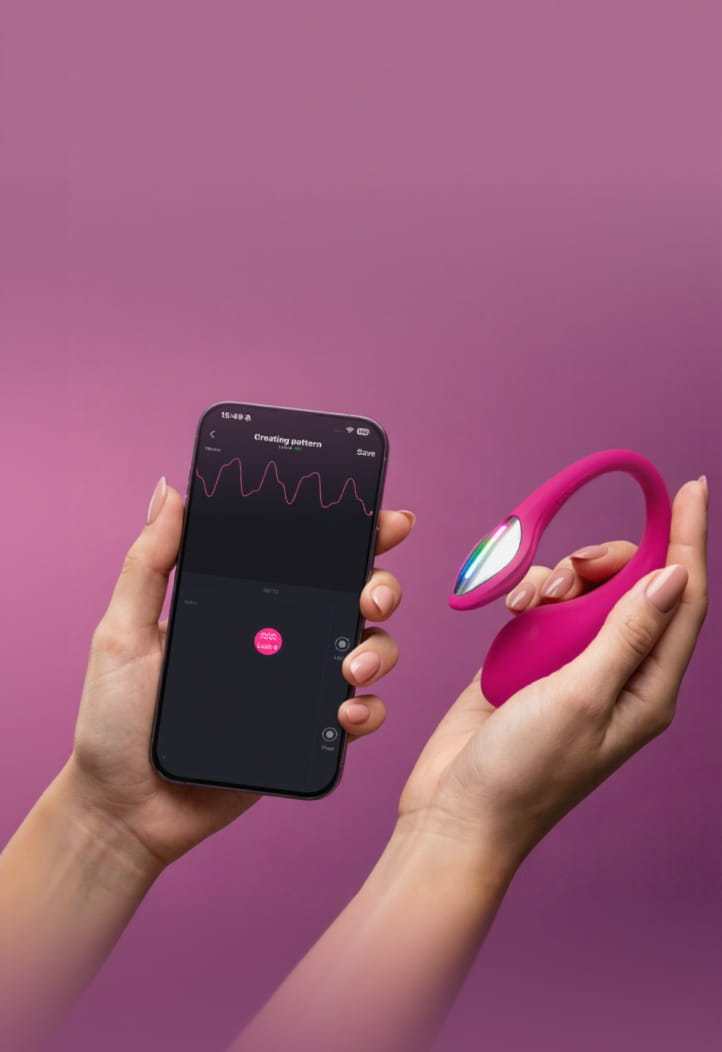
Lush 4 – Bluetooth G-Spot Vibrator
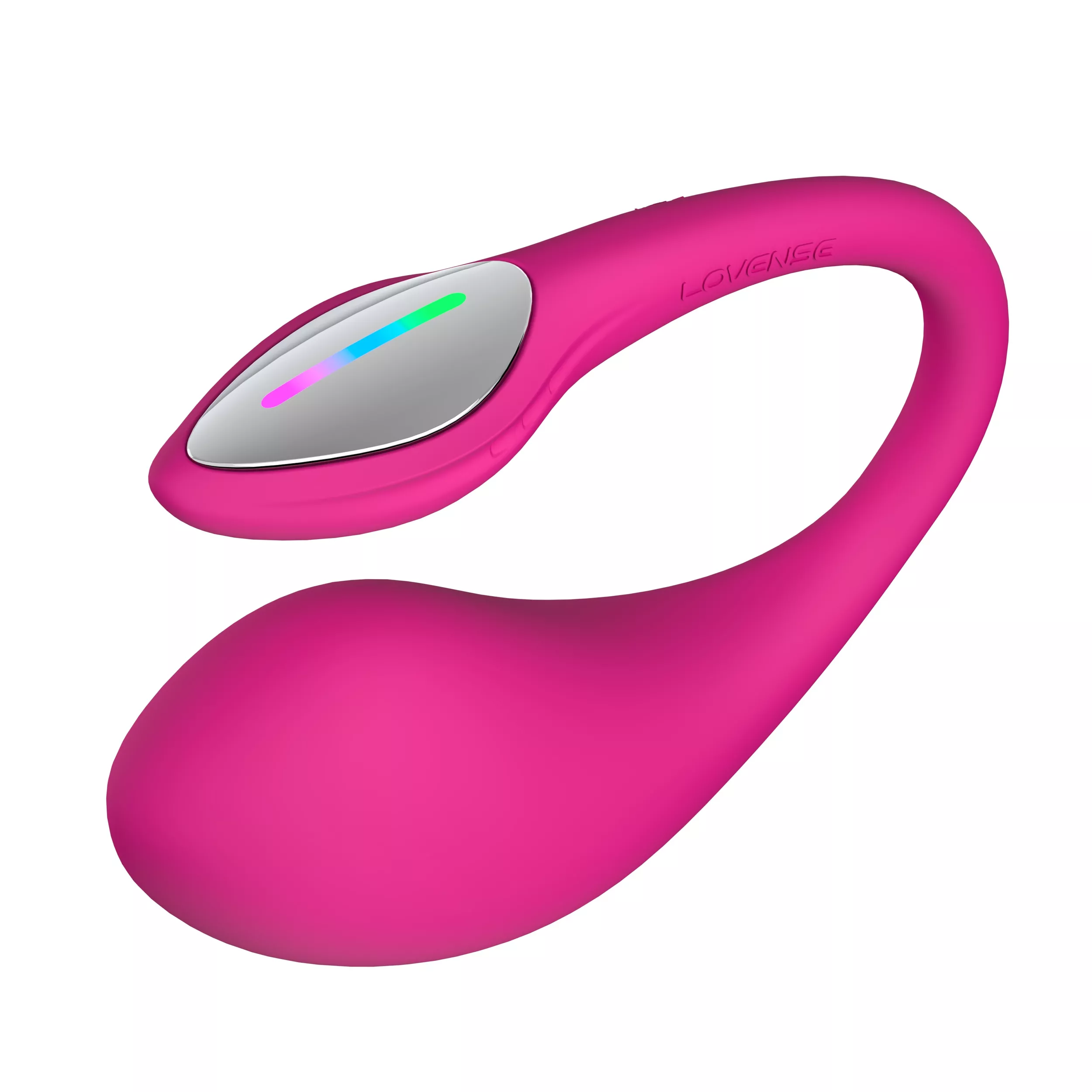
- Fast charging: 5 min = 1 hour of play
- Strong, rumbly vibrations for deep stimulation
- Quiet enough for public or discreet partner play
- App-controlled with customizable vibration patterns
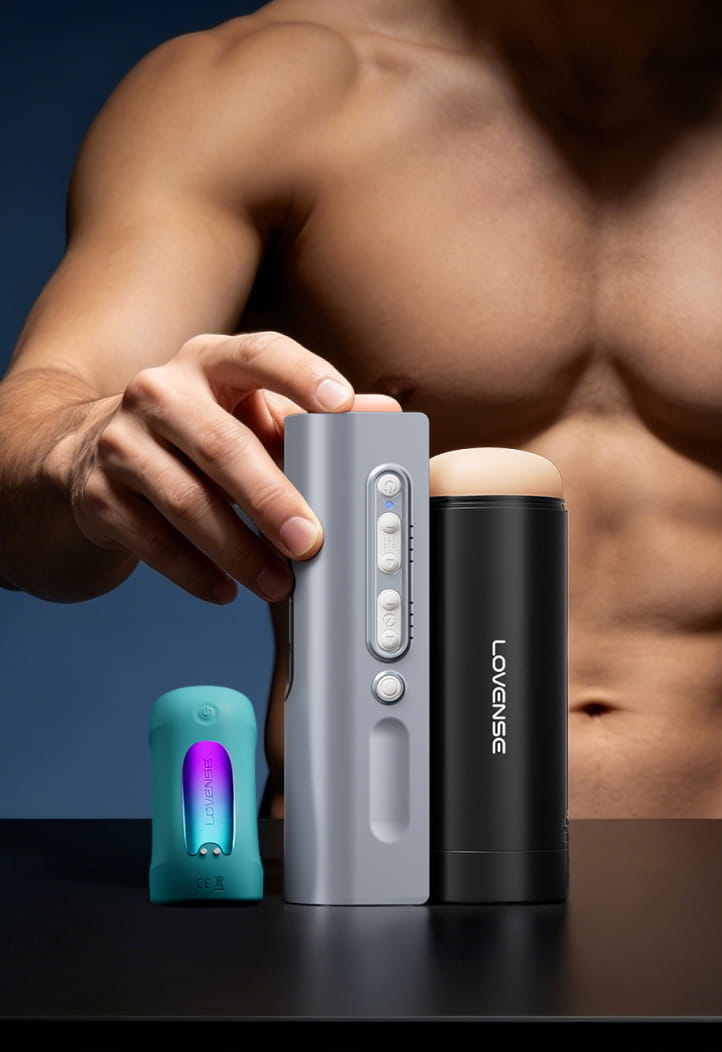
Solace Pro – AI Auto-Stroker
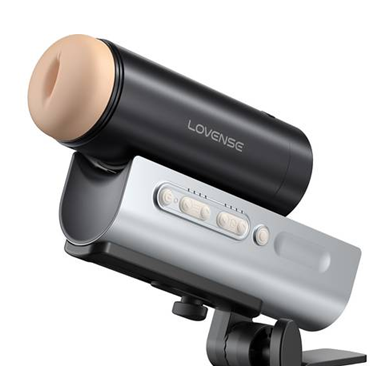
- Built-in AI auto-adjusts rhythm and intensity based on movement
- Motors simulate oral suction and motion
- Textured sleeve for a realistic feel
- App-compatible for remote or synced control
A Few Low-Pressure Starting Points
You don’t need to overthink the first purchase. A few broad categories, matched to comfort level:
- If you want something simple and easy to figure out, an external vibrator is the easiest entry point. Nothing to insert, nothing complicated, just something that adds sensation during whatever you’re already doing.
- If you like the idea of handing over some control, a remote-controlled toy adds a playful layer, since one partner can adjust things while the other just experiences it.
- If you’re both a little tech-curious and want something that works even when you’re not in the same room, an app-connected toy opens that door, with the added bonus of being useful during travel or long stretches apart.
- If jumping straight to a vibrator feels like too much too fast, something smaller like a cock ring or a simple blindfold can ease you both into the idea of adding things to your routine without it feeling like a huge leap. These tend to feel lower-stakes precisely because they’re less associated with “sex toy” in people’s heads, even though they absolutely count.
None of these needs to be expensive or elaborate. The goal with a first toy is just learning what you both respond to, not landing on the perfect device right out of the gate.
The First Time You Actually Use It
This part gets skipped in most advice, but it matters just as much as the conversation that led up to it.
The first time can feel a little clumsy, and that’s completely normal. You’re both learning a new device in real time, which means fumbling with a button or losing your rhythm for a second isn’t a failure, it’s just what happens with anything new. Treating it like a performance you need to nail turns a fun moment into a stressful one for no reason.
Check in as you go. A quick “does that feel good” or “want me to move it” keeps things collaborative instead of one person guessing. If something doesn’t land the way you expected, that’s just information, not a problem. Maybe the setting was too intense, or the toy needs to sit at a slightly different angle, or it turns out this particular one just isn’t the right fit for either of you. All of that is completely normal to discover on a first try, and none of it means you did something wrong.
Setting matters a little more than people expect too. Trying a new toy for the first time during a rushed, tired, distracted moment sets it up to fail before it’s even had a chance. Picking a slower, unhurried moment, even if that means planning for it a bit, gives the whole thing a much better shot at going well.
Adjust and keep going, or just laugh it off and try again another time. Either outcome is fine.
Talking About It Afterward
The conversation doesn’t end once the toy goes back in the drawer. What happens after actually shapes whether it becomes a regular part of things or a one-time experiment nobody brings up again.
Keep the follow-up light and curious rather than critical. Something like “that was fun, what did you like” works a lot better than picking apart what did or didn’t work like it’s a debrief. If you want to bring it into your next time together, just say so plainly, something like “can we do that again sometime, maybe try it a little differently” keeps the door open without turning it into a big negotiation.
This is also a good moment to ask what your partner wants more or less of, not just about the toy itself but about how the whole thing felt. Did the pacing feel right? Did they feel like they had enough say in what was happening? Small check-ins like this tend to matter more for whether it becomes a repeat thing than the toy itself does.
And if it’s something you both want to do again, actually say so. A toy that gets used once and then quietly disappears into a drawer forever usually isn’t a sign it failed, it’s just a sign nobody brought it up a second time.
A Few Beginner-Friendly Options, If You Want Somewhere to Start
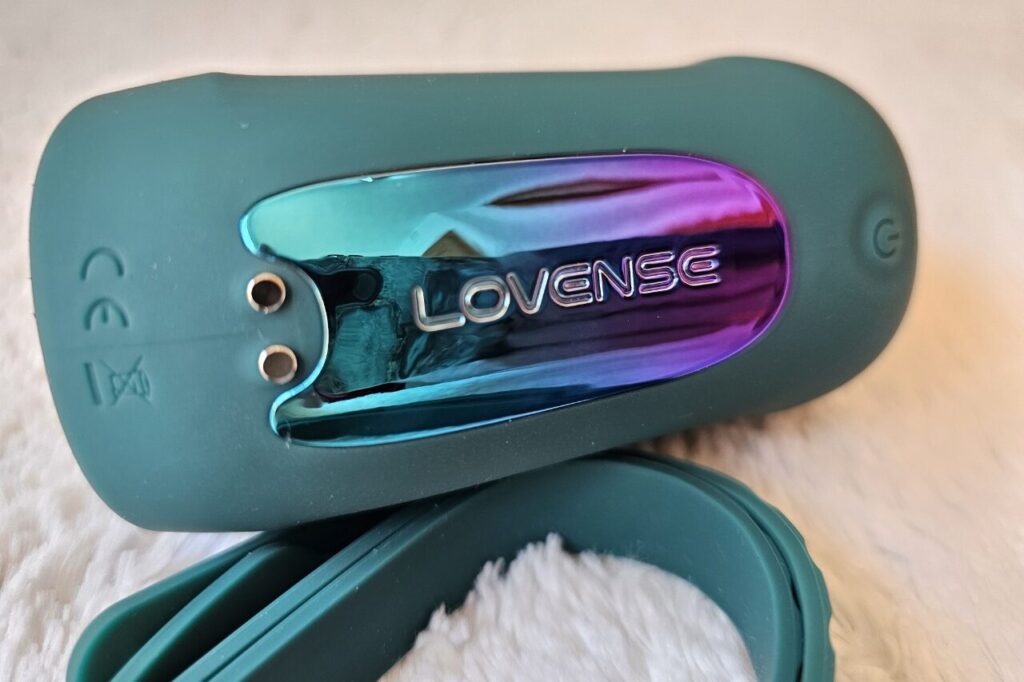
If you’d rather have a few concrete starting points than browse from scratch, a few options map pretty directly onto the categories above.
| Product | What It Is | Best Fit For |
|---|---|---|
| Lush 4 | Wearable vibrator, app-controlled | The simple, external starting point. Stays in place during sex, easy to hand control over to a partner without much explaining |
| Fizz | Dual-head suction and tapping vibrator, app-controlled | Solo warm-up or foreplay before bringing a partner in |
| Nora + Max 2 | Synced pairing, rotation and contraction respond to each other in real time | Couples who want something built together rather than one person’s toy the other just watches |
| Gush 2 Motion | Male masturbator, app-controlled patterns | Bringing a penis-owning partner into the mix alongside the above |
| Solace Pro | Premium automatic stroker with heating, stronger motors | A step up once the basics have already worked for you |
None of these are required starting points. They’re just concrete examples if “pick something together” feels easier with actual names in front of you instead of abstract categories.
Lovense Ecosystem
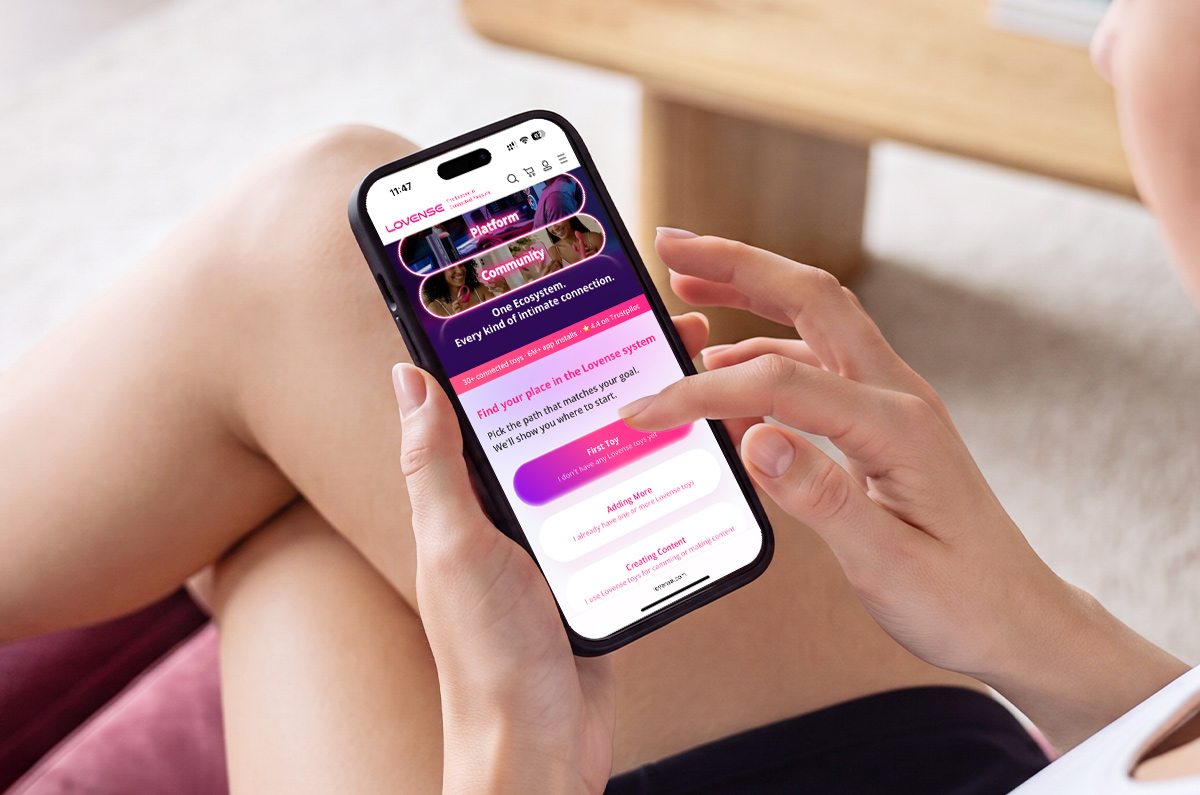
A Lovense toy can be more than a single device. With the free Lovense Remote App, you can control your toy from your phone, connect with a partner from anywhere, create custom patterns, or explore interactive features like music sync, sound control, long-distance play, and compatible content.
Lovense also works across a wider connected pleasure ecosystem, including supported games, videos, livestreams, creator tools, and community spaces. Whether you are choosing your first toy, adding to your collection, exploring couple’s play, or looking for more interactive ways to enjoy your device, the Lovense ecosystem gives you more ways to personalize the experience.
FAQs on Couples Sex Toys
This is common, and the nerves are usually tied to unrelated worries rather than the act itself. Going slow, starting with a finger or very small toy, and letting your partner control the pace can help separate the actual experience from whatever assumption is causing the hesitation.
No, not if you frame it as something you’re doing together rather than instead of them. See the section above on why this isn’t a sign anything’s wrong for more on that.
A simple kit usually covers one external toy, water-based lube, and maybe a cleaner, without a dozen extra pieces you won’t use. Starting small makes it easier to figure out preferences before investing in anything more specific.
Go slower than you think you need to. Explain what it does before turning it on, let them hold or try it themselves first if they want, and treat the whole first experience as low-stakes exploration rather than something with a “right” outcome.
There’s no strict line. Some toys are designed with partnered positions specifically in mind, like wearables or synced pairs, but almost anything can be used together if you both want it to be.
Yes, completely. Agreeing to the idea and feeling totally at ease with it aren’t always the same thing right away. A bit of nervous energy while browsing or checking out doesn’t mean anything’s wrong, it usually just fades once the novelty wears off a little.
One Last Thing
It doesn’t have to go perfectly. It doesn’t even have to go well the first time. Bring it up gently, let the answer be whatever it is, and give yourselves room to figure it out together, slowly, without pressure to get it right on the first try.
None of this needs to be a big production. Most couples who end up glad they tried something new didn’t get there through a perfectly planned conversation or the exact right toy on the first attempt. They got there by being a little patient with each other, treating the occasional awkward moment as just part of the process, and staying curious instead of putting pressure on any one try to prove something. That’s really the whole approach. Start small, stay kind about it, and let it unfold at whatever pace actually works for the two of you.
Want More Reads?
- How to Use a Vibrator During Sex: Best Positions and Tips for Couples
- Remote Vibrator vs. Traditional Vibrator: Which Is Better for Long-Distance Couples?
- Remote-Controlled Anal Toys: How Couples Use Them for Play
- AI Sex Toys for Long-Distance Couples: What’s Out There Right Now?