TL;DR
The best vibrator for mobility challenges is the one that fits the user’s body, grip, reach, stamina, and preferred stimulation. Look for features that reduce strain, such as ergonomic curves, longer handles, easy buttons, app or remote control, wearable designs, hands-free support, lighter weight, and adjustable intensity. Lovense toys can be especially useful for users who want app control, partner control, long-distance play, or programmable patterns, but every feature should be checked separately before buying.
What Are Adaptive Sex Toys?
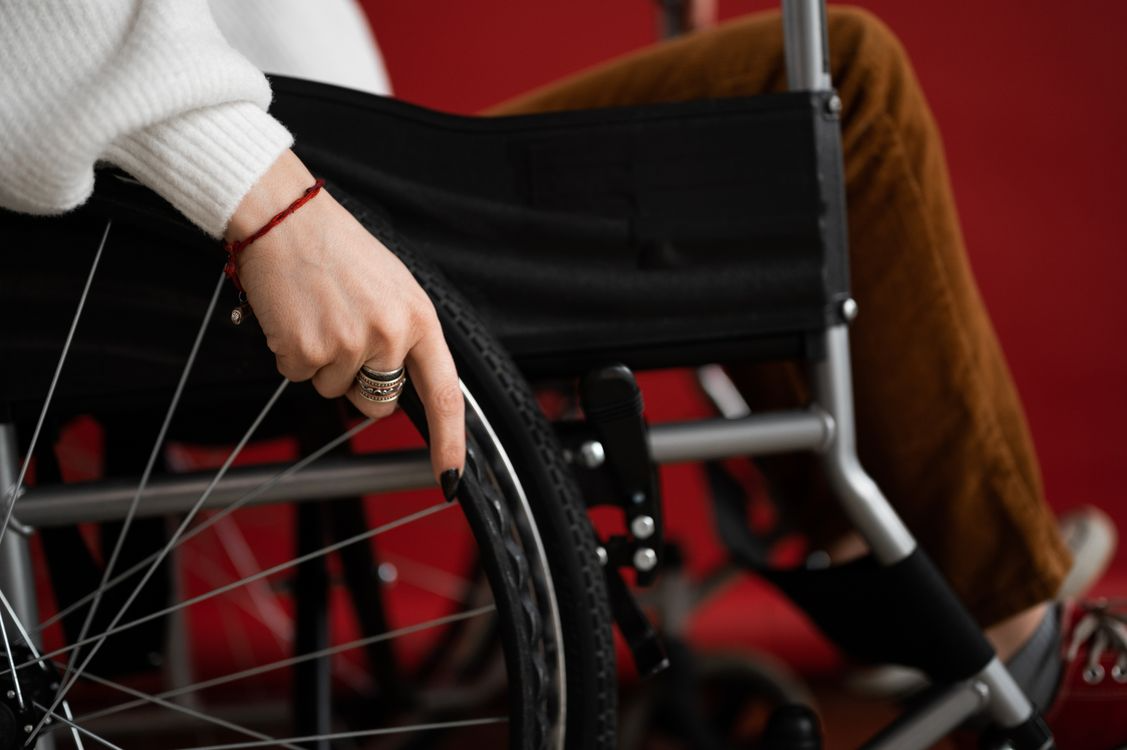
Adaptive sex toys are pleasure products designed, chosen, or used in a way that makes sex and masturbation more accessible. They are often discussed in relation to disability, but they can also help people with arthritis, chronic pain, injury recovery, limited flexibility, fatigue, tremors, reduced dexterity, wheelchair use, nerve sensitivity, or mobility changes that come with age.
The word “adaptive” does not only apply to toys that are officially marketed as disability-friendly. A regular vibrator can be adaptive if it solves a specific access problem. A toy with a larger handle may help someone who struggles with grip. A wearable vibrator may help someone who cannot comfortably hold a toy in place. An app-controlled vibrator may help someone who finds small buttons difficult to press. A sex pillow may make a position easier to maintain.
This is why it helps to think beyond the toy category. A small bullet vibrator, a wand, a wearable couples toy, and a suction toy can all be accessible in one context and impractical in another. The question is not simply “Is this an adaptive sex toy?” The better question is “Does this toy make pleasure easier for this body?”
Start With the Mobility Challenge First
The easiest way to choose a vibrator for mobility challenges is to start with the specific access barrier, not the toy category. A person with weak grip may need a very different vibrator than someone with limited hip flexibility, shoulder pain, reduced sensation, tremors, or fatigue.
For limited grip or hand strength, the priority is a toy that does not require tight squeezing, pinching, or constant repositioning. For limited reach, length, angle, and body position matter more. For fatigue, a wearable toy, remote-controlled toy, app-controlled vibrator, or supported setup may be more useful than a toy that has to be held in place the whole time.
For chronic pain, comfort and pressure control are especially important. A softer external vibrator, a broad stimulation surface, or a lower starting speed may be more practical than choosing only by power. For reduced sensation, a stronger motor, deeper vibration, or wider intensity range may help, but only if the toy is still comfortable to hold, place, and control.
This is why there is no single “best” adaptive vibrator for everyone. The better question is: what does this person need the toy to make easier?
Ergonomic Curves and Body-Friendly Shapes
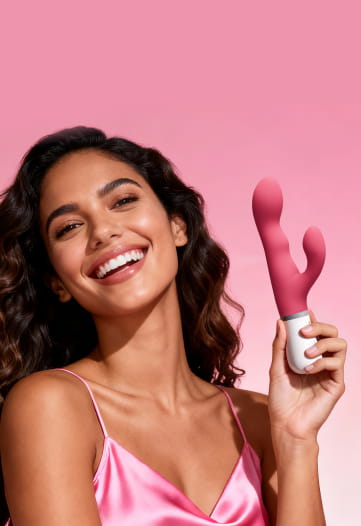
A vibrator’s shape can make a major difference for people with limited mobility. Curved, contoured, or wider designs can be easier to hold because they give the hand more surface area and reduce the need for a tight grip. Ergonomic curves can also help the toy angle toward the body more naturally. That may reduce wrist twisting, shoulder strain, or awkward repositioning during use. A toy that follows the body’s natural angles can feel easier to guide than a straight, narrow toy that needs more hand control.
Grip texture matters too. Smooth body-safe silicone is easy to clean, but a toy that becomes slippery with lube may be harder to manage. A shaped handle, wider grip point, or gentle texture can help the toy stay steadier without making the user squeeze harder.
Reach note:
A longer handle can help users with back pain, shoulder restrictions, hip stiffness, seated use, larger bodies, or limited flexibility reach more comfortably. Just check the weight and balance too, since a long or top-heavy toy can still strain the wrist, hand, or arm.
Weight, Balance, and Grip
A vibrator’s weight affects how long it can be used comfortably. Heavy toys may feel powerful and stable, but they can strain the wrist, fingers, or forearm. Very light toys are easier to lift, but they may vibrate more sharply or require more precise positioning.
Balance matters because the hand should not feel like it is fighting the toy. A top-heavy wand can pull on the wrist. A toy with a narrow grip may feel unstable. A thicker handle may be easier for some users, while others may prefer something smaller that fits between the fingers.
Grip also changes when lube, body fluids, or shower use are involved. Smooth materials can become slippery. A toy with a flared grip, textured handle, or curved body may be easier to keep steady.
Buttons That Are Easy to Access
Buttons should be easy to use during actual sex or masturbation, not only when the toy is being held in the hand. A control may seem simple at first, then become difficult to press once the toy is angled against the body, placed between partners, used under clothing, or held behind the body.
Large buttons can help people with arthritis, tremors, long nails, numbness, or reduced dexterity. Raised buttons may be easier to find by touch. Simple controls are often better than designs that require repeated cycling, hard presses, or two-button combinations.
Placement also matters. A button near the handle may be easier to reach than one near the tip or base. A button that sits under the thumb may be easier than one that faces the palm. If the built-in controls are awkward, app control or remote control may make the toy easier to adjust without losing placement.
App Control, Remote Control, and Partner Control
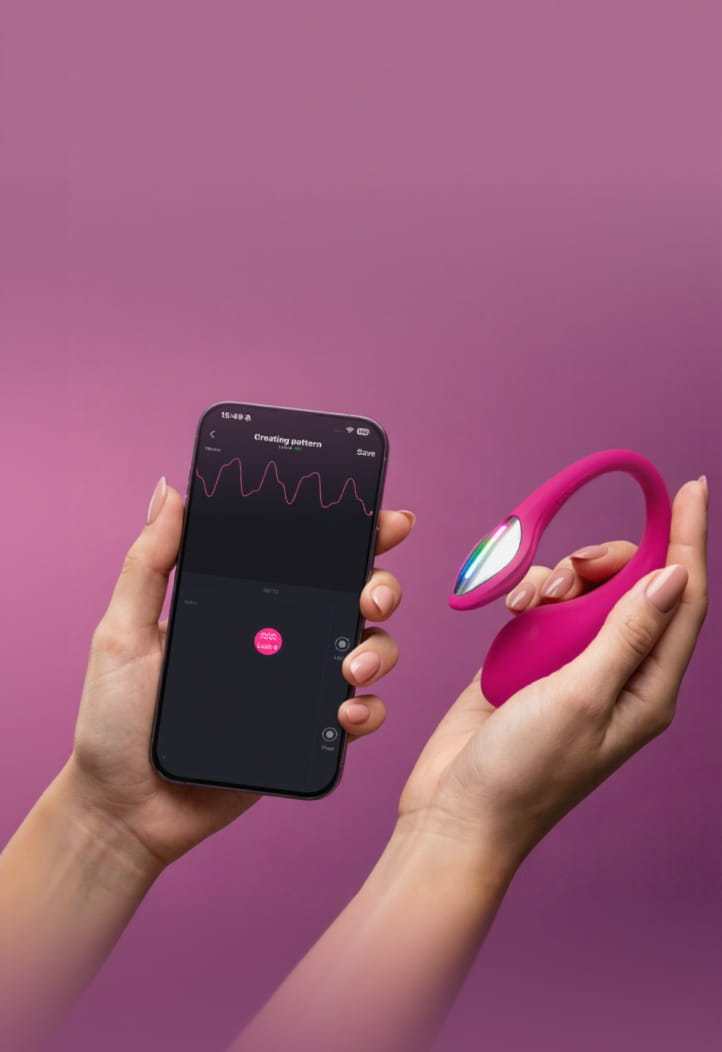
App-controlled and remote-controlled vibrators can be helpful when pressing buttons on the toy is difficult. Instead of reaching down to adjust the toy directly, the user can change intensity, pattern, or rhythm from a phone or separate remote. This may be especially useful for users who want more precise settings, long-distance play, saved patterns, or partner control.
A physical remote may suit someone who wants something simpler than a phone. It can be easier for quick changes during nearby partnered play, especially if unlocking a screen or navigating an app feels distracting. And, all these features should be checked carefully before buying. A smart toy does not automatically have long-distance control. App control, remote control, AI features, syncing, and partner control are separate product details.
Programmable Patterns and Personal Intensity Levels
Programmable patterns can make a vibrator more accessible because they reduce repeated adjustment. If someone knows a certain rhythm, pulse, or gradual build-up works for their body, saving that pattern can make future use easier.
This can help people with sensory sensitivity, chronic pain, reduced sensation, fatigue, nerve differences, or medication-related changes. A pattern that starts gently and increases slowly may feel better than jumping between fixed speeds. A saved setting can also help users avoid cycling through every mode to find the one they want.
Personalization
Lovense’s app-based customization can support this kind of personal control. Users can create patterns, adjust intensity more precisely, or let a partner control the rhythm. The main benefit is repeatability: the toy can be adjusted around the user’s body instead of forcing the user to adapt to fixed settings.
Wearable and Hands-Free Vibrators
Wearable vibrators can reduce the need to hold a toy in place. That can help people with limited grip, hand fatigue, wrist pain, shoulder restrictions, or partnered positions where the hands are already being used for balance or support.
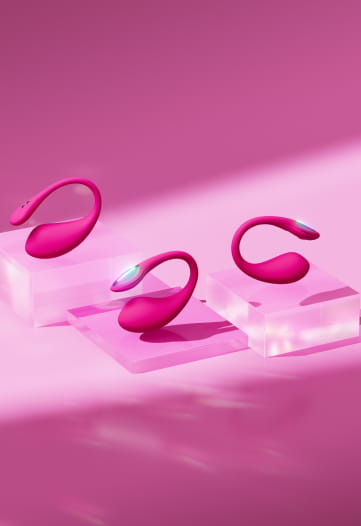
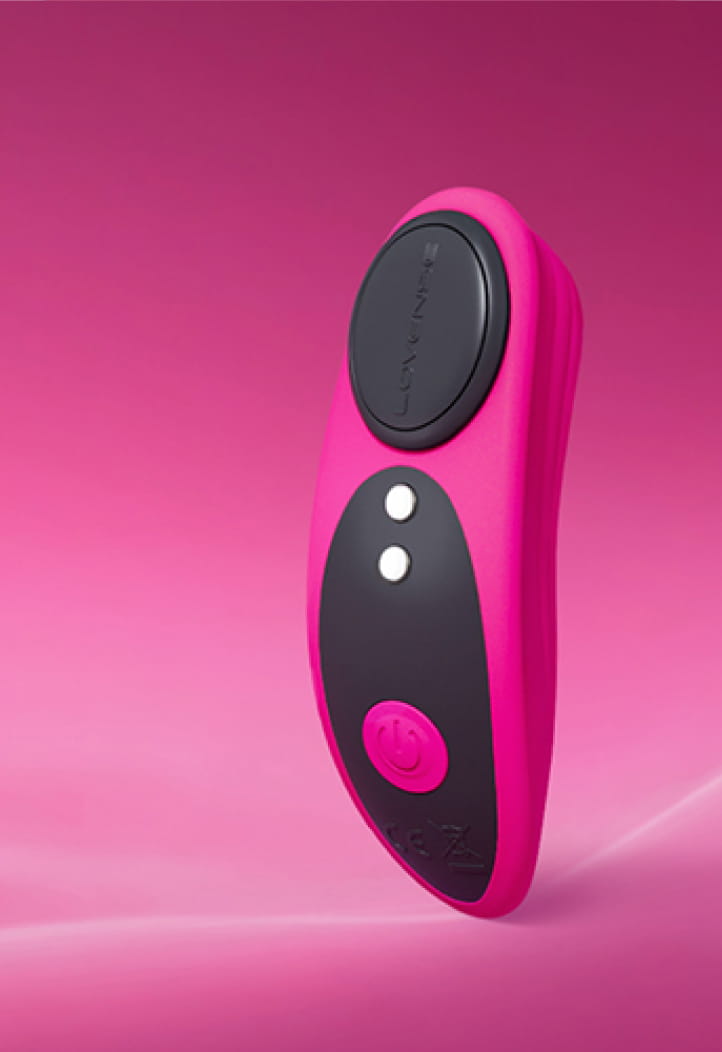
A wearable toy may sit against the clitoris, inside the vagina, around the penis, against the perineum, or between partners during sex, depending on the design. Some wearable vibrators are controlled by buttons, while others use remotes or apps. For Lovense, wearable toys are one of the strongest categories to consider because they can combine app control with reduced hand use.
Hands-free does not always mean effort-free. Fit depends on body shape, position, underwear, anatomy, and movement. Some toys may need tight clothing, a pillow, a partner’s body, or a specific position to stay where they feel best. A wearable vibrator can be a strong option, but it should be chosen with realistic expectations.
Easy Cleaning and Charging
Cleaning and charging are part of accessibility because they affect whether a toy is practical to use regularly. A toy that feels good but is hard to clean, dry, charge, or store may become frustrating.
Waterproof toys can be easier to rinse, though users should still follow the product’s cleaning instructions. Smooth silicone is usually easier to clean than toys with deep seams, complicated textures, or removable parts. A washable storage bag can also help keep the toy easy to find and ready to use.
Charging should be considered before buying. Magnetic chargers can be easier for people who struggle with small ports, but they can also disconnect if bumped. Plug-in chargers may feel more secure, but tiny covers or tight ports can be difficult for people with dexterity issues. Battery life also matters. For people who already deal with fatigue or limited energy, fewer extra steps can make a real difference.
Best Vibrator Types for Mobility Challenges
| Toy type | Best for | Watch out for |
|---|---|---|
| Wand vibrators | Reach, strong external stimulation, reduced sensation | Can be heavy |
| Wearable vibrators | Less hand use, partnered sex, fatigue | Fit and placement matter |
| App-controlled vibrators | Hard-to-reach buttons, partner control, long-distance play | Phone control may distract some users |
| Remote-controlled vibrators | Simple nearby control | Fewer customization options than app control |
| Bullet vibrators | Light, targeted stimulation | Small size can be harder to grip |
| Suction/air-pulse toys | Focused stimulation with less rubbing | Placement can be exact |
| Toy mounts/pillows/wedges | Body support, hands-free help | Need setup and positioning |
How the Lovense Ecosystem Fits In
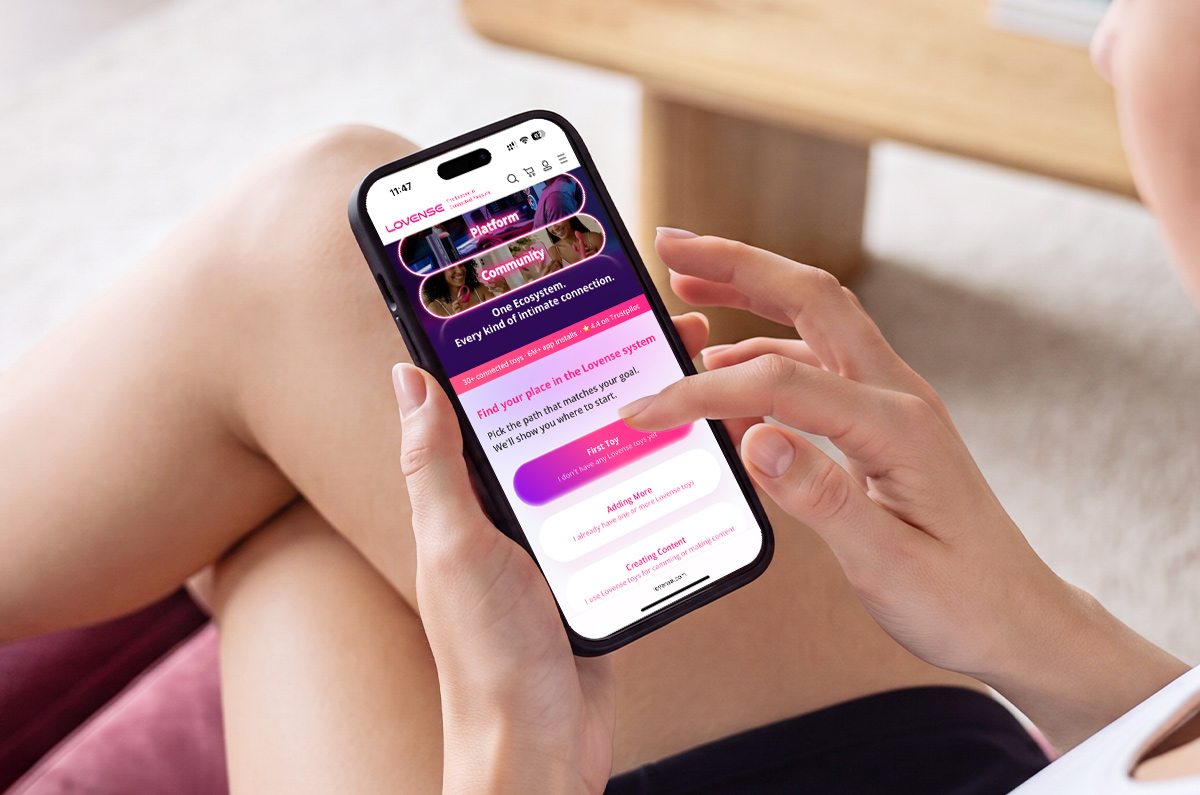
The Lovense Ecosystem is the wider connected system behind Lovense toys. It includes app-controlled toys, the Lovense Remote App, partner control, long-distance play, synced media, compatible apps, gaming features, creator tools, and community spaces. Instead of using a toy in only one way, you can connect it to different kinds of play depending on what you want.
To participate, start with a compatible Lovense toy and connect it through the Lovense Remote App. From there, you can use it for solo play, let a partner control it, try long-distance control, explore sound or media syncing, or connect with supported apps and platforms. If you already own one Lovense toy, you can also add more toys to build a setup that fits solo play, couples play, travel, camming, or content creation.
Explore these app-controlled sex toys for added stimulation:
Ferri Wearable Magnetic Panty Vibrator
Domi 2 App-Controlled Vibrating Butt Plug
Exomoon Bluetooth Lipstick Bullet Vibrator
Choosing Solo or Partnered Use
Solo use often depends on setup. A toy should be easy to reach, control, clean, charge, and put away without turning pleasure into a complicated task. For someone using a vibrator alone, the ability to stop or adjust quickly is especially important.
Partnered use adds another layer. A partner may help hold the toy, control the app, adjust a remote, support positioning, or respond to feedback. Couples toys and wearable vibrators can be useful because they allow stimulation during closeness without requiring one person to hold a toy the entire time.
For long-distance couples, app-controlled toys can keep intimacy possible even when partners are apart. Lovense’s long-distance features can fit this need, but couples should still check the exact toy functions. Long-distance control, syncing, patterns, and AI-related features are separate product details.
Consent and communication matter with any partner-controlled toy. The person receiving stimulation should always be able to pause, adjust, or stop.
Buying Checklist
- Is it easy to hold without strain?
- Does the shape work with the user’s grip, reach, and body position?
- Are the buttons large, raised, simple, and easy to press during use?
- Would app or remote control make adjustments easier?
- Is it light and balanced enough for longer use?
- Does it offer a useful range of intensity levels?
- Can it be used hands-free, worn, mounted, or supported with a pillow/wedge?
- Is it easy to clean, dry, charge, and store?
- For wearable toys, will it stay in place with the user’s body and preferred position?
- For app-controlled toys, does the user want phone control during sex or masturbation?
- For long-distance play, does the toy specifically support long-distance control, syncing, or partner features?
Common Mistakes to Avoid
| Common mistake | Why it matters |
|---|---|
| Choosing only by power | Power does not fix poor grip, weight, controls, or positioning. |
| Assuming smaller toys are easier | Small toys can require more finger strength and precision. |
| Ignoring reach | A toy may be hard to place comfortably, even if it feels good. |
| Overlooking button placement | Buttons may be difficult to press once the toy is in position. |
| Treating hands-free as effortless | Wearables, mounts, and pillows still need the right fit. |
| Assuming app control suits everyone | Some users may prefer a remote or simple on-toy buttons. |
| Ignoring weight and balance | A toy can become tiring if it pulls on the wrist or hand. |
| Skipping cleaning details | Hard-to-clean toys may be less practical for regular use. |
| Forgetting body position | Wearables can fit differently seated, lying down, or during sex. |
| Assuming all smart toys do the same thing | App control, long-distance play, AI, syncing, and patterns are separate features. |
Safety and Comfort Tips
- Start with lower intensity and increase gradually.
- Use water-based lube with silicone toys unless the product instructions say otherwise.
- Support the body with pillows, wedges, folded towels, or seated positions when needed.
- Avoid positions that put strain on wrists, shoulders, hips, knees, neck, or lower back.
- If a position requires bracing, twisting, or holding tension, try adjusting the angle before continuing.
- Clean toys before and after use according to the instructions. Let them dry fully before storage.
- Check the toy for cracks, damaged silicone, battery issues, or charging problems.
- Stop if there is pain, numbness, burning, sharp discomfort, or unusual irritation.
- People recovering from surgery, injury, childbirth, pelvic pain, or medical complications may want guidance from a healthcare professional before using internal toys or intense vibration.
FAQs on Adaptive Sex Toys
What are adaptive sex toys?
Adaptive sex toys are toys or accessories that make pleasure easier for people with disability, mobility challenges, pain, fatigue, limited dexterity, or physical access needs. They may include vibrators, mounts, pillows, wearable toys, remote-controlled toys, or app-controlled toys.
What vibrator is best for limited mobility?
The best vibrator depends on the specific limitation. For limited reach, a longer handle or wearable toy may help. For hand pain, lightweight toys, larger grips, app control, or remote control may be better. For fatigue, hands-free options can reduce effort.
Are app-controlled vibrators good for mobility challenges?
They can be useful when pressing buttons or reaching the toy is difficult. App control can also help with partner control, long-distance intimacy, and programmable patterns. However, some users may prefer a simple remote or on-toy controls.
What vibrator is easiest to hold?
A vibrator with a comfortable handle, ergonomic shape, manageable weight, and non-slip grip is usually easier to hold. Very small toys may be harder for people with arthritis, tremors, numbness, or reduced hand strength.
Are hands-free vibrators good for disabled people?
Hands-free vibrators can be helpful because they reduce the need to grip or hold a toy in place. Fit, positioning, and body shape still matter, so the best option depends on the person and how they plan to use it.
Are wand vibrators good for mobility challenges?
Wand vibrators can be helpful because they offer strong external stimulation and longer reach. The main thing to check is weight, because some wands may become tiring to hold.
Can a partner control a vibrator?
Yes. Many remote-controlled and app-controlled vibrators allow partner control. This can be useful during partnered sex or long-distance play, as long as both people agree on comfort, limits, and stopping whenever needed.
What should I look for if I have arthritis?
Look for larger handles, light weight, simple buttons, raised controls, app or remote control, wearable designs, and toys that do not require pinching, twisting, or awkward wrist angles.
Final Thoughts
Accessible pleasure is personal. The best vibrator is the one that works with the user’s grip, reach, stamina, sensation, flexibility, and preferred kind of stimulation. Lovense toys may be a good fit for people who want app control, partner control, wearable designs, long-distance features, or programmable patterns. The most useful choice is the one that makes pleasure feel easier, more comfortable, and more practical for the body using it.
Want More Reads?
- 5 Best vibrators of 2026 – What Will Tickle Your Fancy
- How to Choose the Best Wearable Vibrators for Maximum Satisfaction
- Remote Control Egg Guide: How to Choose the Perfect Vibrator for Your Needs