
TL;DR
Snapchat sexting can be fun, flirty, and intimate for consenting adults, but disappearing messages do not make it risk-free. The safest version starts with clear consent, a trusted person, no pressure, and an easy way for either person to slow down or stop. Keep early flirting playful with words, voice notes, teasing, and low-risk photos before sharing anything more private.
Avoid sending identifying details like your face, tattoos, location, workplace, school, or anything in the background that connects the snap to your real life. If someone screenshots, saves, pressures, threatens, or asks for money, stop engaging, save proof, report the account, and get outside help if needed.
Why Snapchat Became Known for Sexting
Snapchat became linked with sexting because it makes flirting feel quick, private, and less permanent. A snap feels more like a moment than a message sitting in a phone forever, which can make adult flirting feel easier and more playful. That can be part of the fun. Snapchat can work well for teasing, private jokes, suggestive selfies, voice notes, and long-distance intimacy.
The goal is to enjoy that while staying smart. A disappearing message can still be screenshotted, screen recorded, saved in chat, or recorded with another phone. A screenshot alert may warn you, but it cannot undo the capture – meaning it’s not 100% safe.
That does not mean adults should avoid Snapchat sexting completely. It means safer sexting starts with clear consent, trusted people, screenshot rules, location privacy, and an easy way to slow down or stop.
The Adult-Only Rule: Consent Comes First
Snapchat sexting should only happen between consenting adults and never with those under 18. Snapchat’s sexual-content policy also says users should never post, save, send, forward, distribute, or ask for nude or sexually explicit content involving anyone underage.
For legal users, consent still has to be clear. A flirty mood is not the same as permission for anything. A heart emoji is not consent. A past sexual conversation is not permanent consent. Being in a relationship is not automatic consent. Marriage is not automatic consent. A person sending one photo is not permission to demand another.
Pressure ruins consent. If someone says, “Come on,” “prove you trust me,” “don’t be boring,” “send one more,” or guilts you if you try to stop, that is pressure. If someone keeps asking after you hesitate, that is pressure too. Digital intimacy should feel wanted on both sides, not pulled out of someone.
IMPORTANT: If you are not sure someone is an adult, stop. If someone seems unsure, drunk, scared, pressured, or too nervous to say no, slow down or stop.
Consent Before, During, and After Sending
Before anything sexual happens, both people should know the chat is moving in that direction. Sending a surprise explicit image can feel invasive, even if you meant it as flirtation. A quick check-in can keep the mood while still being respectful.
You might say:
- “Can I flirt a little harder, or should I keep it sweet?”
- “Are you in the mood for something suggestive?”
- “Want playful, romantic, or spicy tonight?”
- “I have a photo I want to send, but only if you want that.”
During the exchange, either person can slow down. They can stop, change their mind, say they are tired, overwhelmed, distracted, nervous, or no longer into it. A good sexting dynamic makes that easy. After the exchange, consent still matters.
REMEMBER: Receiving an intimate snap does not mean you can save it, screenshot it, show it to a friend, post it, threaten with it, use it during a fight, or keep it after the person asks you to delete it.
If someone sends you an intimate snap, they are trusting you with that moment, and consent to receive something once is not consent to keep, share, forward, upload, or use it later. That also means a person can ask you to delete something they once allowed you to have. You may feel disappointed. You may have liked having it. But if you care about trust, you respect the request.
Is Snapchat Sexting Safe?

Snapchat sexting is never completely safe. It can be lower-risk when it happens between trusted adults who set clear rules, avoid identifying details, and respect boundaries. But the app itself cannot promise privacy. That is the key point. Snapchat can delete messages from view. It cannot delete someone else’s bad judgment, stop every screenshot, control a second phone, or make a dishonest person honest.
Lower-Risk Snapchat Sexting
Some kinds of Snapchat flirting are lower-risk. Flirty text, voice notes, romantic messages, and suggestive but non-identifying photos give people room to build intimacy without handing over something that could easily be used against them.
Lower risk usually means:
- Both people clearly want the exchange.
- The person is known and trusted.
- There is no pressure.
- There are no identifying details.
- Screenshot and saving rules are clear.
- Location sharing is off.
- Either person can stop without drama.
Lower-risk does not mean risk-free. It means you are removing the most obvious ways things can go wrong.
Higher-Risk Snapchat Sexting
Higher-risk sexting usually includes identifiable images, a newer or unverified person, unclear saving rules, pressure, alcohol or drug use, visible location clues, or a relationship boundary that has not been discussed. It also becomes higher-risk when someone treats your hesitation like a problem to solve. If you say “maybe,” and they keep pushing, the issue is no longer just privacy. The issue is respect.
A common higher-risk setup looks like this: a person you barely know gets sexual fast, asks for a photo, asks for your face, promises they will delete it, and makes you feel boring or suspicious if you pause. That is not a safe rhythm.
The highest-risk situations involve: threats, blackmail, strangers who rush the conversation, someone asking for your face and body in the same sexual image, or anyone trying to move from flirting into money, control, or fear. If someone threatens to expose you, demands more images, asks for money, claims they have your contacts, or says they will ruin your life, that is not sexting anymore. That is coercion or sextortion.
Lower-Risk vs. Higher-Risk Snapchat Sexting
Use this table as a quick reality check. The goal is not to make sexting risk-free. The goal is to avoid the obvious traps before the chat moves too far.
| Lower-risk choice | Higher-risk choice | Why it matters |
|---|---|---|
| Flirty words first | Explicit photo first | Words give both people time to check comfort and consent. |
| Trusted adult partner | Stranger or new account | Fake accounts and rushed intimacy raise scam risk. |
| No face or identifying details | Face, tattoos, work badge, room clues | Identifying details can connect the content to your real life. |
| Clear screenshot rule | “Just trust me” with no agreement | Rules reduce confusion and give you a way to judge behavior. |
| Snap Map off | Location visible | Location can expose home, work, school, or travel patterns. |
| Sober, calm decision | Drunk, high, lonely, angry, or scared | Poor timing can lead to regret or pressure. |
| Easy exit | Guilt, begging, or threats | A safe exchange lets either person stop without punishment. |
| No money involved | Gift cards, crypto, payment apps, “fees” | Money requests can signal sextortion or a scam. |
The Real Risks of Snapchat Sexting

The biggest risk is not that Snapchat exists. The biggest risk is trusting the wrong person with something private.
Screenshots: A screenshot can save a snap before you have time to react. A notification may tell you something happened, but it cannot undo the capture. If you agreed on no screenshots and they do it anyway, treat that as a serious boundary break.
Screen recording: Screen recording can capture more than one image. It may save the snap, the chat, your username, your voice, and the timing of the exchange.
Another phone recording the screen: Someone can use a second phone to record their screen. Snapchat cannot stop that because the recording happens outside the app.
Saved chats and Memories: Some parts of a Snapchat exchange may be saved, preserved, photographed, or described later. The safer mindset is simple: assume perfect deletion is never guaranteed.
Fake accounts and catfishing: A fake account may use stolen photos, a fake name, or rushed flirting to get private content quickly. Be careful with anyone who refuses to verify who they are while asking you to become vulnerable.
Sextortion and blackmail: Sextortion happens when someone threatens to share intimate images or messages unless you send money, more images, favors, silence, or personal information. If someone threatens you, do not send more content to calm them down. Save proof and report it.
Snap Map and location exposure: Snap Map can reveal more than you mean to share. Location patterns can show where you live, work, sleep, or spend time, which is too much access for someone who has not earned your trust.
Relationship fallout and cheating boundaries: Snapchat can feel separate from real life, but partners may not see it that way. Sexting someone else can count as cheating if it breaks the rules of your relationship. A disappearing snap can still cause real damage.
Red Flags and What to Do Next
| Red flag | What it may mean | What to do next |
|---|---|---|
| They keep asking after you said maybe or no | Pressure | Stop the exchange and restate the boundary once. |
| They ask for face plus explicit content | Leverage risk | Refuse and keep identifying details out. |
| They ask for money after flirting | Scam or sextortion risk | Do not pay. Save evidence. |
| They threaten to leak content | Sextortion or abuse | Document, report, block after saving proof, seek help. |
| They refuse to verify who they are | Fake account risk | Do not send private content. |
| They want your location | Safety risk | Turn off location sharing and stop if pressured. |
| They send sexual content without consent | Boundary violation | Tell them to stop, report if needed, block if unsafe. |
| They ask you to keep everything secret from a partner | Relationship boundary issue | Pause and think before continuing. |
| They rush the chat within minutes | Manipulation or scam risk | Slow down or end the chat. |
| They say “everyone does this” | Pressure | Your comfort matters more than their claim. |
A person who respects you will not need a long debate about your safety.
What to Do If Someone Screenshots, Saves, or Threatens You

If someone screenshots, saves, or threatens to share something private, take it seriously. Do not panic-send more photos, money, or messages to calm them down. That usually gives them more control.
Do this instead:
- Stop and slow down. Do not argue, beg, or keep reacting emotionally.
- Save proof. Keep screenshots of usernames, messages, threats, payment demands, dates, and any linked accounts.
- Report the account on Snapchat. Use Snapchat’s report tools for threats, harassment, blackmail, impersonation, or sexual abuse.
- Block after documenting. Save what you need first, then block if continued contact is making things worse.
- Use image-removal help. For adult intimate images shared without consent, StopNCII.org may help create a digital fingerprint of the image so participating platforms can look for matches.
- Get outside help if threats escalate. If someone is stalking you, threatening violence, contacting your workplace, demanding money, or saying they have your contacts, treat it as more than app drama. Contact local authorities, a legal-aid group, a crisis service, or the FBI/IC3 if you are in the United States.
A threat is not your fault. The person threatening you is choosing to harm you. Your next move is to save proof, report, block, and get help before they pull you deeper into fear.
Snapchat Sexting Boundary Checklist
Before sending anything intimate, check these first:
- Make sure the flirting is welcome. Do not guess. A simple check-in keeps things comfortable for both people. Example: “I’m in a flirty mood, but only if you are too.”
- Agree on screenshots. If you do not want screenshots, say that before anything is sent.
- Agree on saving. Some people are fine with saved messages. Some are not. Do not assume.
- Set photo limits. Decide what stays out: face, voice, tattoos, work clothes, room details, location, or anything too identifying.
- Set tone limits. Some people like bold flirting. Some only want romantic or playful messages. Graphic is not automatically better.
- Keep an easy exit. Either person should be able to slow down without being punished, mocked, or guilted.
- Watch their reaction. If someone gets annoyed because you want privacy rules, that is a sign to stop. A person who respects you should be able to handle basic boundaries.
Off-limit things in images might include: face, full body, voice, certain words, certain body parts, work clothes, uniforms, home background, kink topics, screenshots, saving, late-night messages, or anything involving another person.
Snapchat Boundaries for Couples
- Is flirty Snapchatting with other people okay?
- Are private stories okay?
- Is sending selfies okay but sexual messages off-limits?
- Is porn different from sexting a real person?
- Are anonymous accounts different?
- Is paid content different from private sexting?
- Are screenshots between us allowed?
- Can either person save intimate snaps?
- What counts as crossing the line?
How to Build Fun, Flirty Digital Intimacy Without Rushing

Keep the first exchange low-stakes. A smile. A shoulder. An outfit detail. A playful “I wish you were here.” A voice note. A private compliment. A photo that would not ruin your life if it landed in the wrong place. That might sound less intense, but it often builds better trust. It also gives both people room to adjust. If the other person does not match the energy, you can slow down without embarrassment. If they do match it, you can still decide how far you actually want to go.
Also, digital intimacy should feel mutual. If one person is always asking and the other is always giving in, the mood is already wrong. Same if one person keeps escalating while the other gives short, nervous answers, slow down. If someone says “maybe,” treat that as a reason to pause, not push.
Make “not tonight” easy. You can say:
- “No pressure. I just like talking to you.”
- “Sweet is good too.”
- “We can keep it normal.”
- “Another night is fine.”
- “I’d rather you feel good than feel pushed.”
How to Flirt Safely With Someone You Just Met on Snapchat
Flirting with someone new on Snapchat can be fun because there is still mystery. You are feeling out the chemistry, seeing how they respond, and deciding whether the conversation has a spark. The safer way to do that is to keep the first stretch playful instead of exposed. You can be bold without giving a stranger your face, body, location, workplace, real name, or anything that would make you easy to identify.
With someone you just met, the best flirting usually starts with attention, not demands. A real compliment works better than jumping straight into sexual requests. Something like, “I’ll be honest, I’m flirting a little. Tell me if I should behave,” gives the other person room to flirt back, laugh, slow it down, or change the mood. It feels adult without cornering them.
The early stage should feel like a back-and-forth, not one person trying to pull private content out of the other. If they answer warmly, you can raise the heat a little with words, teasing, a voice note, or a suggestive but low-risk selfie. If they give short replies, dodge the energy, or seem unsure, keep it lighter. Good flirting pays attention to the reply instead of charging ahead.
For someone new, make the sexual turn with words before images. Words are easier to adjust. You can say something a little suggestive, see how they answer, and still keep control of what you share. A half-smile selfie, an outfit detail, or a voice note can feel intimate without handing over something too revealing. The fun comes from timing, tone, and tension, not from rushing into the most exposed thing possible.
Long-Distance Intimacy Without Surveillance
For long-distance couples, Snapchat can be a real part of staying close. A small message during the day can make the distance feel less empty. A photo before bed, a voice note, a private joke, or a quick “I miss you” snap can help a couple feel present in each other’s lives. That doesn’t mean every intimate exchange has to become explicit. Long-distance intimacy works better when it has range. Some nights can be romantic. Others can be playful. Some can be sexual. They can also just be ordinary.
Try building small rituals that do not always carry pressure:
- Morning check-in snaps
- Bedtime voice notes
- “Wish you were here” photos
- Private jokes
- Outfit previews before a date or video call
- Countdown snaps before a visit
- A shared playlist sent through chat
- A photo of dinner, coffee, or the view from a walk
- A date-night message before a call
- A “green, yellow, red” comfort check before flirting gets sexual
The danger in long-distance sexting is when it becomes a duty. If someone feels like they must send sexual content to keep the relationship alive, the intimacy starts to turn into pressure. A partner should be able to say, “I miss you, but I’m tired tonight,” without fear of punishment.
Repairing Trust After a Boundary Is Crossed
If a Snapchat boundary gets crossed, do not skip past it just because the app felt casual. Saving something without permission, screenshotting after agreeing not to, flirting with someone outside the relationship, or pressuring a partner for content can all damage trust.
Repair starts with honesty. What happened? What was saved? Who saw it? Was anything shared? Maybe there was pressure? Was there secrecy? Perhaps a boundary was unclear or clearly broken? The person who crossed the line should not rush the other person to “get over it.” They should answer questions, delete what needs to be deleted, stop the behavior, and accept new limits.
The person who was hurt gets to decide what they need next. That might be space, proof of deletion, a new rule about Snapchat, a pause on sexting, or a bigger relationship conversation.
App-Controlled Sex Toys and Remote Play
You can add to your online digital sexcapades with app-controlled sex toys for long-distance play. Certain toys connect to apps that let another person control the toy from their phone, either through a friend list, a private session, or a temporary control link.
- If you use a control link, choose a version that expires.
- A temporary link is safer than giving someone open-ended access, especially if the person is new or you are still building trust.
- Keep the session short, send the link only to the person you meant to send it to, and end access when you are done.
If you use a friend list instead of a one-time link, treat the account like a private intimacy account. Use a username that does not identify you, avoid profile details that connect to your real name, and do not reuse usernames from Instagram, TikTok, work, gaming, or public accounts. Use a strong password and any security settings the app offers.
Bluetooth remote control technology with apps like Lovense Remote can also include text, voice, and video chat, which can make long-distance play feel more personal. Use those features with the same care you would use for Snapchat sexting. Check your background, avoid showing identifying details, and keep your face out of frame if you do not want the session linked back to your real life.
Some compatible toys can also react to each other – often called Sex Sync or Toy Sync. With the right setup, one person’s toy can respond to what the other person is doing, such as movement from one toy causing vibration or a stronger reaction in another. That can make remote intimacy feel more shared instead of one person only controlling the other. The other great part is you can still use them for things other than online sexting – like interactive video syncing.
Learn more about sex toys that sync up during steamy, digital encounters
Solace Pro AI Masturbator
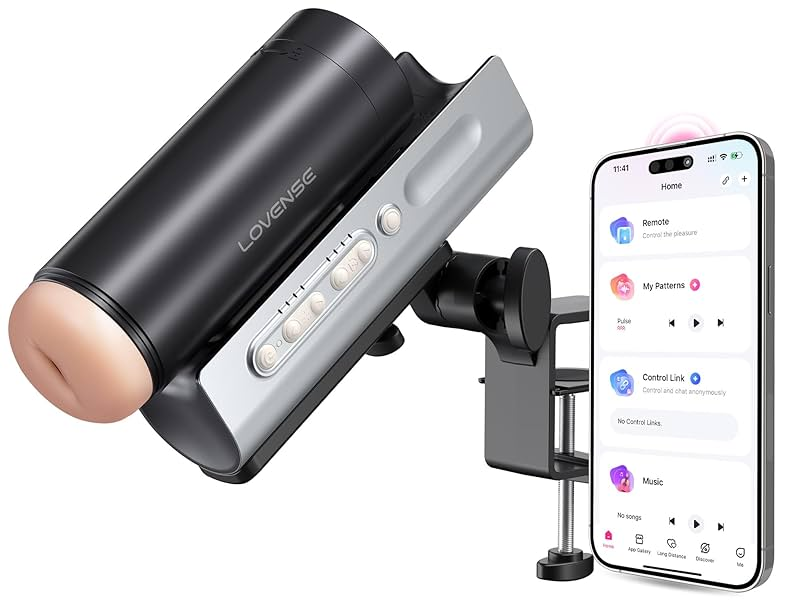
- AI auto-adjusts motion and suction
- Dual motors mimic realistic oral sensations
- App-compatible for synced VR experiences
- Pairs well with long solo sessions
- Great for hands-free play
Mission 2 – Touch-Sensitive Dildo

- Powerful: up to 6,500 vibrations/min
- Ultra-soft tip for G-spot comfort
- 180° adjustable suction base; hands-free play
- Touch-sense tech: vibrations intensify with your movement
Lovense Ecosystem
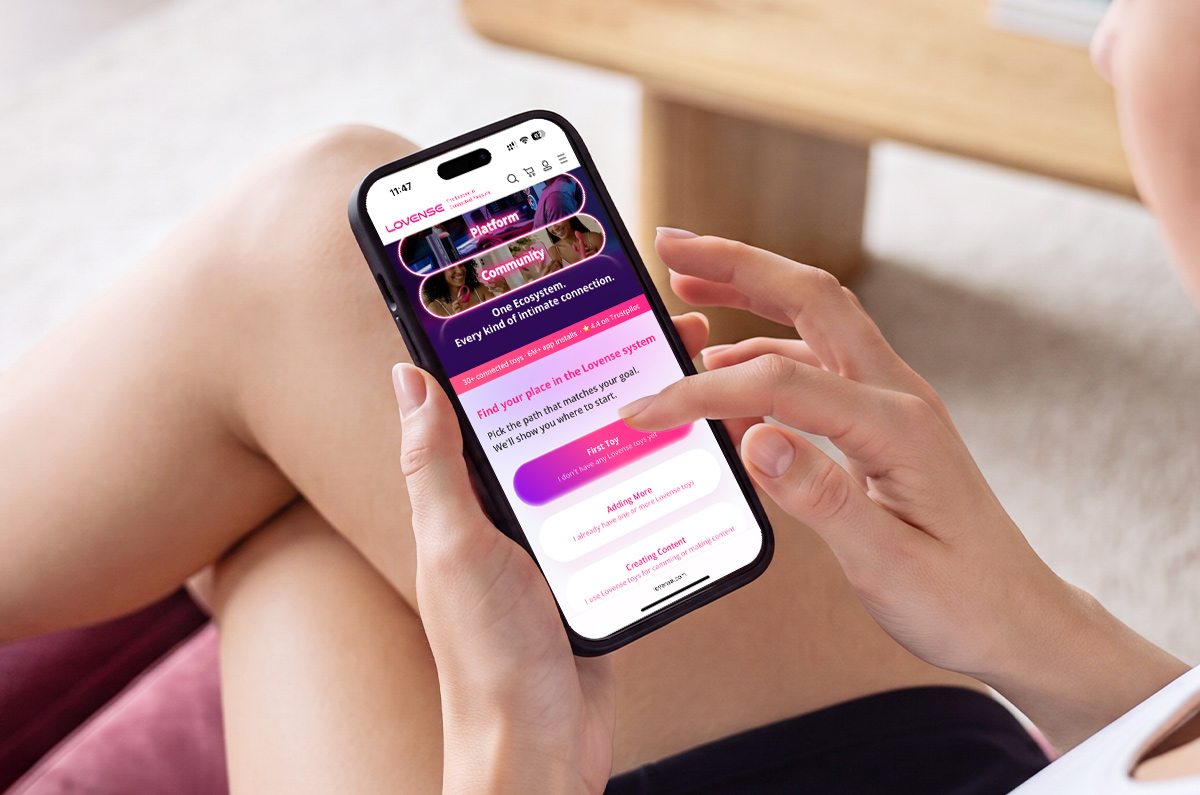
A Lovense toy can be more than a single device. With the free Lovense Remote App, you can control your toy from your phone, connect with a partner from anywhere, create custom patterns, or explore interactive features like music sync, sound control, long-distance play, and compatible content.
Lovense also works across a wider connected pleasure ecosystem, including supported games, videos, livestreams, creator tools, and community spaces. Whether you are choosing your first toy, adding to your collection, exploring couple’s play, or looking for more interactive ways to enjoy your device, the Lovense ecosystem gives you more ways to personalize the experience.
Safer Alternatives to Explicit Snaps
If you want digital intimacy but feel unsure about explicit photos, you have options. Sexting does not have to jump straight to the highest-risk format.
You can build heat with words, flirt through voice, send something suggestive without showing anything identifying, keep the mood romantic instead of graphic, or create a private rhythm that belongs to the two of you without handing over an image that scares you.
Safer alternatives may include:
- Flirty text
- Voice notes
- Romantic compliments
- Suggestive but non-identifying photos
- Outfit details without nudity
- A private “thinking of you” snap
- Date-night selfies
- A countdown to seeing each other
- Shared fantasy in words
- Audio-only intimacy
- Private jokes
- “Choose the vibe” prompts
- Slow-burn flirting
- A simple “I want you, but I’m keeping this text-only tonight.”
Text-only can still be intimate. Voice can still feel close. A photo can be suggestive without being explicit. You are allowed to choose the level of risk you can live with.
Snatchat Safety FAQs
It is never completely safe. It may be lower-risk with a trusted adult partner, clear consent, no identifying details, and no saving/screenshots, but disappearing messages do not guarantee privacy.
Yes. A person may screenshot, screen record, save chats, use another device, or otherwise preserve content.
Snapchat may notify in some cases, but a notification is not protection. It also cannot stop someone from using a second device.
Between consenting adults, sexting laws vary by location and situation. Anything involving minors, coercion, threats, non-consensual sharing, harassment, or blackmail can create serious legal issues.
It depends on the relationship agreement. If it violates a boundary or is hidden because it would hurt your partner, it may be cheating in that relationship.
Use flirty words, voice notes, suggestive but non-identifying photos, compliments, fantasy, date-night snaps, or romantic teasing instead of explicit images.
Stop engaging emotionally, document everything, avoid paying if it is sextortion, report the account, block after preserving evidence, and use support or image-removal resources.
If privacy matters, avoid showing your face or any identifying features in explicit content.
It can be playful and connecting for consenting adults who trust each other, respect boundaries, and keep pressure out of it.
Bottom Line: Snapchat Creates Spark, Not Safety
Snapchat can make digital intimacy feel playful, quick, and private. That is part of why adults use it for flirting. But the app is only the setting. The real safety comes from the people involved.
A safer Snapchat sexting experience starts with consent, not surprise. It uses boundaries before things get intense, keeps pressure out of the chat, treats screenshots, saving, and location as real risks, leaves room for either person to slow down or stop, but does not pretend that disappearing messages make consequences disappear. Flirty digital intimacy can be fun, but it works best when both people feel respected before, during, and after the snap.
Want More Reads?
- Sexting Games That Actually Turn You On: 30 Fun & Dirty Ideas
- How to Have Phone Sex – Tips to Get Your Dirty Talk On
- Sexting Tips: Bold Guide to Mastering the Art of Hot Conversations
- 50+ Raunchy Phrases – Beginner’s Guide on How to Talk Dirty