
Why Kink Talk Matters in Modern Relationships
You’ve discovered a desire—light bondage, power play, a specific fantasy—and you want to share it with your partner. But the thought of their reaction stops you cold. What if it surprises them, creates distance, or changes things? That hesitation is normal, especially when one person prefers “vanilla” sex (straightforward, no added power or intensity) and the other feels drawn to something more layered.
Kink means consensual erotic interests beyond the mainstream: BDSM, fetishes, roleplay, sensory play, and similar. “Vanilla” is direct, egalitarian intimacy without those elements. Kink talk is the careful, respectful way of bringing these up – centered on vulnerability, consent, and curiosity.
Did You Know?
These interests aren’t rare. Surveys show 40–70% of adults have BDSM-related fantasies, with 20–47% having tried related activities at least once. Curiosity is common; stigma just keeps it quiet. And sharing desires thoughtfully can deepen trust, heighten excitement through shared vulnerability and adrenaline, improve communication, and boost satisfaction.
Self-Reflection: Preparing Yourself Before the Conversation
Before you talk to your partner about kink, pause and turn the focus inward. This isn’t just helpful – it’s crucial. Getting clear on your own desires lets you speak honestly, without fumbling or projecting, and it equips you to handle whatever response comes, even if it’s not the one you hope for. When you’re grounded in what you want and why, the conversation feels more like an honest invitation and less like a high-stakes gamble.
Here’s how to approach it:
Get specific about what draws you in. Name it plainly but gently: Is it light bondage with scarves, sensory play like blindfolds or ice, power exchange where one person leads, impact like spanking, roleplay, or something else entirely? Vague ideas stay vague in conversation. A yes/no/maybe list helps here – make one for yourself (yes = excited to try, maybe = curious but unsure, no = hard limit).
Free templates are easy to find online (search “kink yes no maybe checklist”). Jot down details: what excites you, any boundaries, or conditions that matter.
- Figure out how important this is, and ask yourself honestly: Is this something you’d feel incomplete without in a sexual relationship (a must-have), or is it more of a bonus (nice-to-have that could stay fantasy or occasional)? Rating it helps you decide how much to push and how flexible to be.
- Explore on your own first. Dip into ethical porn, erotica, podcasts, or articles that match your interests. Pay attention to what actually feels right versus what seems intriguing in theory. This refines your understanding so you can describe it authentically.
- Face the fears. It’s normal to worry about judgment, rejection, or being labeled “weird.” Remind yourself: Sharing a desire takes courage and shows trust. A caring partner will respect your honesty, even if they don’t share it. If the fear is strong, give yourself permission to take more time.
A brief psychological note:
Research shows people who practice consensual BDSM often report more secure attachment (comfort with closeness and independence) and lower anxious/avoidant styles than non-practitioners. For example, a 2025 study found BDSM participants had lower avoidant and anxious attachment, with secure styles linked to actually acting on fantasies (Tierens et al., 2025). Earlier work (Wismeijer & van Assen, 2013) found similar patterns, with BDSM folks scoring higher on secure attachment. This suggests kink can fit healthy relational patterns and build trust – not that it’s a “fix” for anything.
The “Am I Ready for the Kink Talk?” Quiz
- Clarity: Can I explain exactly what I want to explore without using vague language or feeling overwhelming shame?
- Boundaries: Do I know my own “hard limits” (things I will never do) just as well as my “vivid desires”?
- Resilience: If my partner says “no” or “not right now,” can I accept that without feeling resentful or personally rejected?
- Self-Worth: Is my sense of being loved and valued independent of whether my partner wants to try this specific thing?
- Invitation vs. Demand: Am I presenting this as an exciting “could we?” rather than a mandatory “we must”?
- Reciprocity: Am I just as eager to listen to their fantasies and boundaries as I am to share my own?
- Patience: Am I truly okay with my partner needing days or weeks to research and process this before giving me an answer?
- Emotional Impact: Have I considered how bringing this up might change our dynamic, and am I prepared to navigate those feelings together?
- Curiosity: Am I approaching this conversation with a “teamwork” mindset rather than a sense of urgency or frustration?
- Safety: Do we already have a foundation of trust where I feel safe being vulnerable, even if the conversation gets awkward?
- 🟢8–10 yes: You’re in a strong, grounded place to have the conversation.
- 🟡5–7 yes: Solid foundation, but reflect on the no’s for extra preparation.
- 🔴Fewer than 5 yes: Totally normal – give yourself more time to explore or build self-compassion.
Kink Communication Guide: Understanding Your Partner

Take a moment to notice how your partner responds to new things in everyday life – do they light up at the idea of a new restaurant, a last-minute adventure, or shaking up the routine? Those sparks of curiosity often carry over to intimacy, hinting they might be open to something fresh in bed too. If they lean hard toward the familiar or tense up at anything “different,” vanilla might feel safer for them. This isn’t about boxing them in – it’s about tuning in to who they really are so you can meet them where they’re at.
It’s normal for desires to differ – one wanting more edge, the other preferring gentle and straightforward. That gap doesn’t mean the end; many couples bridge it with gentle compromises (a bit of play that excites both) or bigger options like ethical non-monogamy if needed. Focus on both feeling respected and satisfied, not a perfect overlap.
Quick compatibility checklist (yes/no for yourself):
- Does my partner usually perk up when I share something new?
- Have we talked sex openly before without awkwardness?
- Are they generally game for vulnerability or trying new stuff?
- Do our views on consent and respect line up?
- Can we handle differences without it turning sour?
- Am I okay compromising if interests don’t match fully?
- Do we both care about each other’s comfort in intimacy?
Setting the Stage: Timing, Environment, and Mindset for Kink Talk

Pick your moment wisely so the conversation feels warm and safe instead of rushed or heavy. Skip anything right before, during, or right after sex – that can make it feel like a demand.
Go for a relaxed, non-sexual time: maybe a quiet evening at home with a glass of wine, a walk when you’re both in a good mood, or over coffee when things are calm. Private, comfortable, no distractions.
Come in with a mindset of curiosity and teamwork: Think “I’d love to explore this with you” rather than “I need this now.” Positive, “I”-focused phrasing works best – like “I’ve been thinking about ways we could add a little more excitement together. What do you think?” It keeps the door open and shows you’re in this as partners.
Consent has to be at the heart of everything – make sure it’s clear this is about ongoing, enthusiastic agreement from both sides. You can mention a couple of simple frameworks to show you’re approaching it responsibly:
- SSC (Safe, Sane, Consensual): Everything reasonable, mentally clear-headed, and fully agreed.
- RACK (Risk-Aware Consensual Kink): Aware of any risks and still choosing yes together.
- PRICK (Personal Responsibility Informed Consensual Kink): Owning your part while keeping consent front and center.
These are just reminders that safety, awareness, and real yeses matter – no assumptions.
A note on cultural and identity factors:
Everyone brings their own background to these talks. For LGBTQ+ folks, neurodiverse individuals, or any discriminated groups, past experiences with stigma or misunderstanding might make opening up feel extra vulnerable. If that’s relevant for your partner, acknowledge it gently. If needed, point toward supportive resources like kink-affirming therapists (check directories like Psychology Today’s kink-aware list) or inclusive online spaces. The key is tailoring the approach so it honors who they really are.
How to Talk About Sexual Desires: Step by Step

The success of this conversation relies less on a perfect script and more on creating a high-trust, low-pressure environment where both partners feel safe being radically honest. The goal is to open a door, not force a decision.
Step 1: Contextualize the Conversation (The “Setting” Strategy)
To have a successful talk, you need to decouple the fantasy from the immediate act. By removing the conversation from the bed, you signal to your partner that their consent is the priority, not your immediate gratification. It transforms the talk from a “request for sex” into a “shared exploration of identity.”
Step 2: Anchor in Existing Trust
Before you introduce kink to a partner, you have to solidify the “why.” Most partners don’t actually fear the kink itself—they fear that your desire for something new is a critique of what you already have. If they feel like they’re being graded or found “lacking,” they will naturally become defensive. Frame the conversation as an expansion, not a repair job. You aren’t telling them they are failing; you are telling them they are the only person you trust enough to be this vulnerable with.
For Example: “I love our sex life exactly as it is. Because I feel so secure and safe with you, I finally feel ready to share some deeper fantasies I’ve never told anyone else. I want to keep growing together.”
If your partner is prone to anxiety, use a “pre-frame” earlier in the day. A quick text like, “I’ve been thinking about some fun ways to deepen our intimacy and want to chat later – no pressure, just some stuff I’m curious about!” removes the shock factor and lets them get into a receptive, curious headspace.
Kink requires a massive amount of emotional safety. By leading with how much you value the current relationship, you transform a scary confession into a massive compliment to the foundation you’ve already built.
Here are some ideas to get you started:
- I feel so safe with you that I finally feel ready to share some deeper fantasies I’ve never told anyone else. Can I talk to you about them?
- I want to share a curiosity with you, but I want to be clear: there is zero expectation that we actually have to do it. Are you open to just hearing about it?
- I found a ‘Yes/No/Maybe’ kink list online. I think it would be a fun, low-pressure way to see where our curiosities overlap. Want to try it this weekend?
- It feels a little scary to tell you this, but I’ve had a recurring thought about [X]. I trust you more than anyone, so I wanted to see how that lands with you.
Remember, focus on feeling instead of mechanical acts. And after sharing, stop talking. Your partner may need time to process. Silence is not a “no” – it is the sound of them integrating new information.
Handling Responses: From Enthusiasm to Rejection
- If they say Yes: Don’t make it a big production. Suggest trying one tiny, agreed-upon thing next time you’re already intimate. Afterward, ask what felt good. Small wins build confidence without the stress of a “performance.”
- If they say Maybe: Don’t push. Thank them for being honest and ask if there’s a milder version (like a blindfold) that feels less intense. If they’re still hesitant, drop it. You can keep certain fantasies for solo play to keep the relationship pressure-free.
- If they say No: Respect it immediately. Don’t argue or try to “convince” them. Confirm that you value the relationship exactly as it is. Later, reflect privately on whether this is a “nice-to-have” or a core need before making any big decisions.
Check in lightly months later to see if they have new thoughts. If you stay stuck, a kink-aware therapist can help. Whether they warm up or stay a “no,” respecting the boundary proves you value them more than the fantasy.
Step 3: The “Level One” Scale-In
If they’re open, don’t dive into your full fantasy from the start. It can feel like too much, too fast. Instead, propose the mildest, most beginner-friendly version as a “Level 1” entry point. This gives your partner an easy way to continue to say yes (or no) without committing to anything heavy, building comfort and trust through small, reversible steps.
Small consents create positive experiences and momentum. If they enjoy the light version, it opens the door to more naturally. If not, no harm done – you’ve kept it low-risk.
Examples of low-stakes starters (tailored to common kinks):
- Bondage/ restraint: “What if we just tried holding my wrists above my head while kissing, or using a soft scarf to loosely tie them? We can stop anytime.”
- Sensory deprivation: “How about starting with a sleep mask or blindfold during foreplay? It blocks sight but keeps everything else the same.”
- Impact play: “Could we try a few light hand spanks during sex? Super gentle, just to see the sensation.”
- Roleplay: “We could try a little teasing dirty talk where one of us pretends to be in charge. We can keep it short and fun.”
If they say yes to Level 1, debrief after: “How did that feel? Want to try again or tweak it?” If no, respect it fully and move on—no pushing.
Step 4: Setting Your Boundaries
Security is the absolute bedrock of kink. Discussing boundaries early isn’t about killing the mood; it’s about removing the fear of the unknown so you can actually let go. Start by defining your Hard Limits and Soft Limits. Hard limits are your non-negotiable “no’s”. Soft limits are the “maybe” areas – curiosities that require extra care, slower pacing, or more research before you’re ready to dive in.
Write these down. Clarity established in a calm, sober moment prevents confusion or accidental boundary-crossing when things get heated later. And even if you’re only planning mild play, you need a universal communication tool that works even when “no” might be part of the roleplay. This is usually in the form of a “safeword.”
The Traffic Light System is the gold standard because it’s simple and impossible to misunderstand.
- Green: Everything is great; keep going.
- Yellow: I’m feeling a bit overwhelmed or uncomfortable. Slow down, check in, or change the pace.
- Red: Stop everything immediately. No questions asked, no ego involved, and no guilt.
Having these signals in place creates a safety net that allows both of you to explore the ceiling of your desires without anxiety. It ensures that the person receiving the kink feels in control, and the person giving the kink feels safe knowing they aren’t accidentally crossing a line.
Step 5: The “Research Phase” Pact
Resist the urge to settle everything in one sitting. If your partner is hesitant or simply overwhelmed by the new information, agree to educational exploration. Instead of pushing for a decision, agree to a shared action: listen to a specific podcast episode, read a detailed article, or watch a video together. Set a firm date to reconvene (usually within 48 to 72 hours) to discuss your thoughts rather than making any final commitments. This removes the pressure to “perform” or “agree” on the spot and gives both of you the space to process the “why” behind the curiosity.
To take the pressure off verbalizing every single desire from scratch, use a “Yes/No/Maybe” Checklist. You can find these as printable PDFs or the mountain of online versions you can find for free. The value here is massive: it instantly highlights your “Double Yes” items. These are the shared interests you both already have but were perhaps too nervous to mention out loud.
Step 6: Learn About Aftercare Together
Aftercare is the most important step in the entire process because it acknowledges that exploring kink is as much an emotional journey as a physical one. High-intensity play or vulnerable conversations can leave one or both partners feeling “raw” or exposed—a state often called “sub-drop” or a vulnerability hangover. Recovery is non-negotiable. It is the transition period that brings you both back to a shared, secure reality, ensuring that nobody feels “thrown away” once the scene or the talk is over.
Physical and Emotional Options: Aftercare looks different for everyone, so you should discuss your needs before you ever start. For some, it’s physical closeness: heavy blankets, skin-to-skin contact, or a warm bath together to regulate the nervous system. For others, it’s biological recovery: having water, electrolyte drinks, or high-protein snacks (like chocolate or fruit) nearby to stabilize blood sugar after an adrenaline spike.
The Power of Reassurance: Beyond the physical, there is the emotional debrief. This is the time for verbal affirmation. Simple statements like, “I loved how we handled that,” or “I feel so close to you right now,” go a long way in reinforcing that the relationship is the priority. It’s also the space to check in on any “awkward” moments without judgment.
Whether you spent an hour in a deep roleplay or ten minutes having a difficult conversation, you must “close the loop.” By prioritizing aftercare, you prove to your partner that you care about their well-being even more than the fantasy itself. This creates the emotional safety necessary to want to do it all over again.
A Simple Way to Introduce Kink

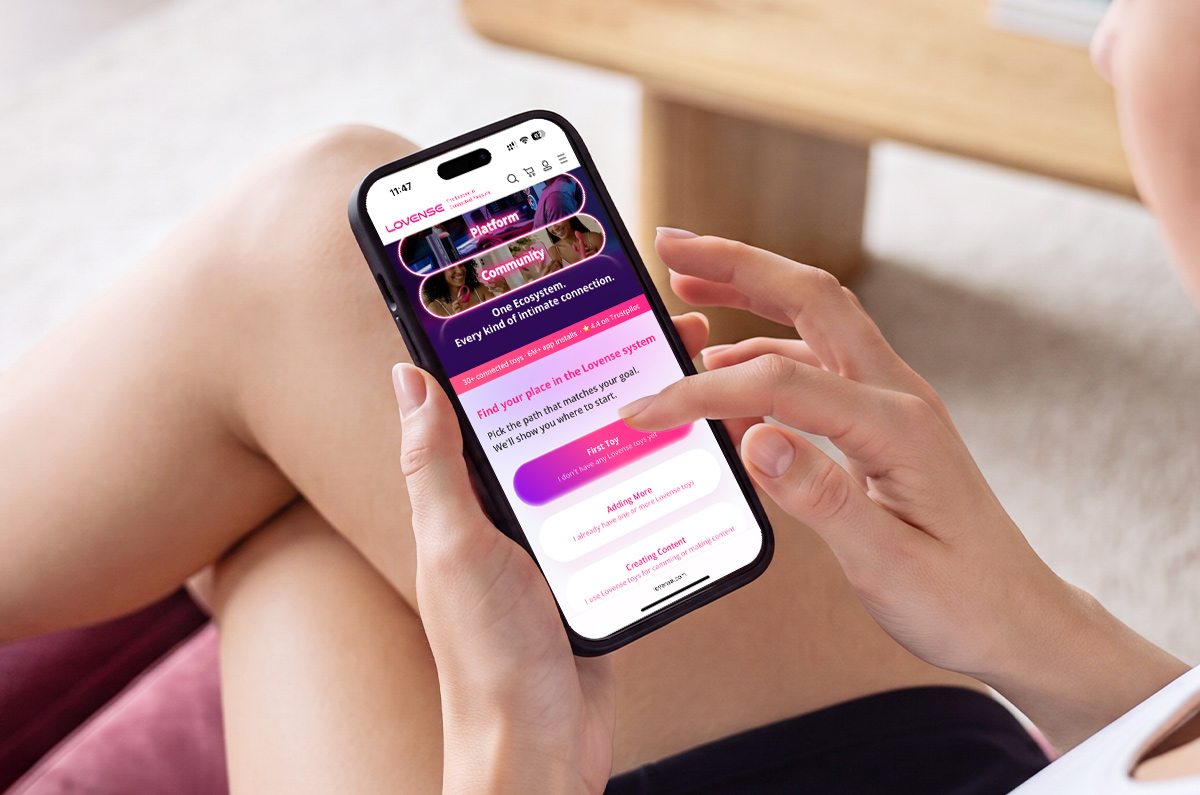
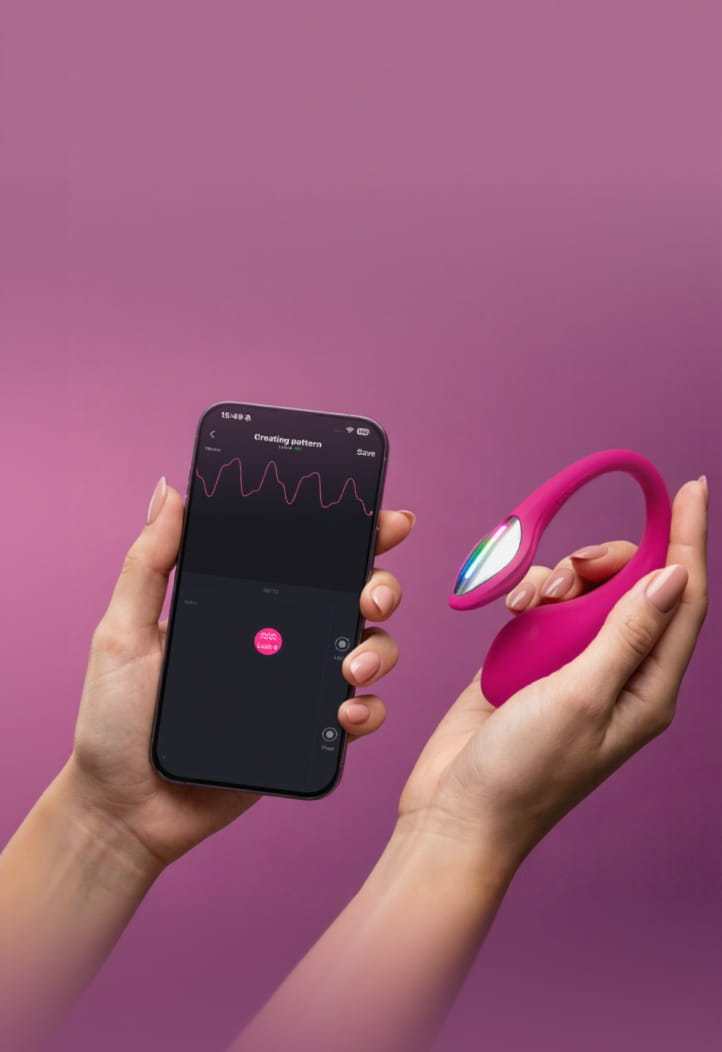
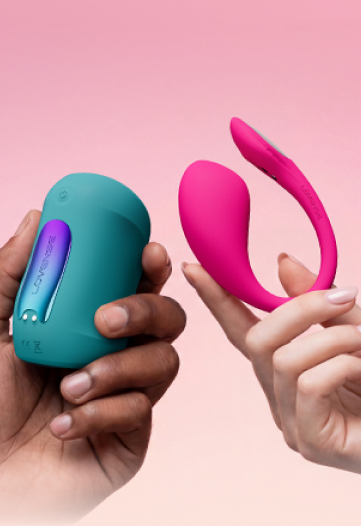
If you’re looking for a way to bridge the gap from vanilla to kink, app-controlled sex toys are a fantastic low-pressure starting point. These tools allow you to experiment with power dynamics by letting one partner take the lead, whether you’re in the same room or trying remote-play from different cities.
Beyond just vibration, using Bluetooth sex toys opens up a world of discreet public play with hands-free wearables, or even syncing your experience to VR, games, and audiobooks. It’s a gentle, tech-savvy way to introduce kink to a partner while focusing on shared fun and high-tech connection. For example..
- Ferri pany vibrator is an option you can wear around the house
- Gemini nipple clamps are great to add a second sex toy
- Lush Anal is a perfect beginner’s vibration butt plug
- Solace Pro male masturbator uses AI and is auto-thrusting
FAQs About Kink Talk
Pick a calm, non-sexual moment for a low-pressure environment. Start positive and use “I” statements to focus on your feelings. Ask for their thoughts immediately and keep it light- no demands.
It’s not the end. Thank them for being honest and reassure them. Respect the hard limits and boundaries immediately. If it’s not a dealbreaker, keep it as a private fantasy or solo practice. If it’s a core long-term need, talk compatibility later without applying pressure now.
Explain that real consensual kink is built on informed agreement and trust, not movie tropes. Suggest “Level One” starters like a blindfold or light teasing to demystify it. Stress your commitment to safe words and aftercare upfront to show their safety is your top priority.
Yes, it can work. Many couples find a middle ground through compromise on mild shared acts while one partner explores more intense interests solo. If the gap feels too wide, a kink-aware therapist can help unpack these power dynamics without judgment.
Kink Communication Final Thoughts
Introducing kink to your partner isn’t about instant fireworks or forcing change. It’s about opening up honestly while keeping the respect and care that’s already there. You’ve done the work: reflected on what you want, prepared for the talk, chosen the right moment, shared vulnerably, listened to their response, and handled whatever came back with grace.
Even if they dive in excitedly and you start exploring together, or if they need time, hesitate, or say a clear no, the real win is in the conversation itself. Being able to talk about desires without shame or pressure often makes you feel closer and safer as a couple, whether kink becomes part of your sex life or stays something private for you.
Your relationship doesn’t have to look “kinky” to be strong. It just has to feel honest. You’ve already taken a brave step by thinking this through so carefully. When the moment feels right, trust yourself to have the talk kindly. Whatever the outcome, you’re building something real.
You’ve got this. Go be open, be kind, and see where it leads.
Want More Reads?
- The Preeminent BDSM Contract Guide – Pleasure & Pain Through Ink Empowerment
- Ultimate BDSM Aftercare Kit: 50+ Ideas and Tips to Recover & Reconnect
- BDSM Checklist Guide: Yes/No/Maybe, Aftercare, and Safety Made Simple