
It’s been over 30 years since the love languages idea really took off and started changing the way grown-ups talk about romance. The gist is straightforward: we all have different ways of giving and receiving love, and things get better when partners figure out what works for each other. It’s easy to grasp, sticks in your head, and doesn’t take much effort to try.
That said, easy doesn’t always mean complete. What relationship researchers have found over the years is that love is messier than just five neat boxes, and long-term adult relationships need a lot more give-and-take than the original setup suggests. The biggest win from love languages might not be pinning down your one main type—it’s more about finally having clear words for what you actually need emotionally.
This piece zooms in on love languages from an adult perspective, where jobs, stress, closeness, independence, and years together all play into how love actually feels and shows up day to day.
Curious about your own style? Take our 2-minute quiz to find your primary love language before reading how to apply it in life.
Love Languages: Still Useful, But Not As a Personality Test

The idea kicked off simply enough back in the early ’90s when Gary Chapman laid out five main ways people tend to show and feel affection:
- Words of affirmation — getting genuine verbal returns like “You handled that so well” or “I’m really grateful for you,” said out loud and meant.
- Quality time — real, no-distractions focus: a proper talk, a walk with phones away, or just hanging out fully there.
- Physical touch — hugs that linger, a hand on the back while cooking, cuddling, or touch that feels comforting (sexual or not).
- Acts of service — the practical stuff that lightens the load: grabbing an errand, cleaning up dinner, stepping in on something stressful without needing to be asked.
- Receiving gifts — thoughtful little things that say “I was thinking of you”: your go-to coffee on the way home, or something small picked out because it screamed “you.”
These stick because they’re spot-on for most people. Read the list and boom—usually one or two jump out right away. The whole thing cuts through that foggy “I just don’t feel loved” feeling and gives you something specific to say instead: “I feel off when we don’t get real talk time,” or “I feel supported when you take some of the household stuff off my plate during crazy weeks.”
One thing that jumps out from recent reviews is that when people rate the five love languages, they tend to give pretty high marks to all of them—correlations between the ratings run from 0.54 to 0.75—which basically means most of us value a mix of ways to feel loved, not just one favorite channel. ~ (SAGE Journals), 2024
In long-term adult relationships, that kind of straight talk is huge.
By your 30s or 40s, life doesn’t look like those early dating days anymore. Work piles up, family stuff takes over, stress is constant, health things pop up, and routine can grind you down. When you’re both running on empty, little signs of care can slip through the cracks or get misread.
Having a “language” label turns into quick shorthand for bigger needs: “Right now acts of service hit hardest because I’m drowning in mental load,” or “Physical touch keeps me grounded when the rest is chaos.”
The real payoff comes when people use the five as a loose starting point, not a hard rule. Done right, it gets couples being more deliberate. If acts of service is your default, you might push yourself to throw in some verbal encouragement during their rough patch. If quality time is theirs, you start blocking off 20 phone-free minutes to actually check in each night. Those tweaks don’t mean changing who you are—they just widen the toolbox and stop affection from going autopilot.
You see it in real couples all the time.
People together 10+ years say those old fights about “not appreciating each other” tend to fade once they spot the patterns. One starts dropping a quick, real text of praise during the other’s brutal workday; the other takes over more of the behind-the-scenes planning (groceries, appointments, holidays) so the first isn’t buried. Nothing earth-shattering, but steady and aimed right. Resentment eases—not because life is flawless, but because both feel actually seen in ways that land.
Common Pitfalls and How to Use Love Languages Effectively

Things go sideways when people start treating their language like a fixed label or a scorecard. “That’s not my love language, so it doesn’t count” can kill effort before it starts. Or someone quietly keeps count of how often their thing is “spoken,” turning a useful idea into quiet resentment or defensiveness. Some use it like an entitlement: “This is my language, do it or else.” Others get competitive about it.
Oversimplifying is another trap.
If there’s real resentment, insecurity, or old attachment stuff bubbling under, slapping a “mismatch” label on it doesn’t fix the deeper problem. The model loses its edge when it stops curiosity cold. Adult relationships need room to bend. What matters most can shift with stress, sickness, job changes, kids—stuff that felt huge at 25 might feel different at 40.
The five work best as training wheels: helpful for getting steady, but not something you cling to forever. They spark awareness, get you trying new things, and build adaptability as life moves. Used like that, they stay one of the more straightforward ways to keep adult relationships feeling connected without needing big dramatic moves all the time.
What the Research Really Shows: Love as a Balanced System

Relationship researchers have been digging into what actually makes long-term partnerships satisfying for decades, and the view that comes out is wider—and kinder—than the idea that everyone has one main “love language” their partner has to nail perfectly.
The standout finding is how much responsiveness matters: that feeling your partner really sees you, gets what you’re going through, validates it, and shows care in response. Folks in solid relationships often talk about things like “They notice when I’m stressed and check in,” “They actually listen instead of jumping to solutions,” or “They follow through on the little stuff that matters.” It’s not so much the exact type of gesture—it’s the signal underneath: “You matter to me, and I’m tuned in.”
When studies put Chapman’s setup to the test, the results are mixed at best. There’s not much solid proof that most people have one dominant language that trumps everything else, or that perfect matching skyrockets happiness. When adults rank the five, most say they’re all meaningful in some way. Any genuine effort—whether words, time, touch, help, or gifts—tends to link to feeling loved and content, no matter what someone says their “primary” is.
It looks more like love in grown-up relationships runs on a balanced diet than on speaking one perfect dialect. The strongest partnerships pull from a range of inputs over time:
Input What It Looks Like in Practice
| Input | What It Looks Like in Practice |
|---|---|
| Appreciation and verbal recognition | Saying thank you, compliments, specific praise |
| Shared presence and undivided attention | Phone-down time, focused conversations |
| Physical closeness that soothes or connects | Hugs, cuddling, comforting touch |
| Practical support that lightens the load | Helping with chores, errands, logistics |
| Thoughtful gestures that show “I was thinking of you” | Small surprises, remembering preferences |
| Emotional attunement | Really hearing and validating feelings |
| Reliable repair after conflict | Reconnecting without resentment lingering |
People might gravitate to certain ones—one leans acts of service in busy times, another physical touch when anxiety hits—but the solid ones mix it up. Sticking to just one or two leaves holes when life ramps up.
Context flips what’s needed most.
Grief or burnout? Quiet presence and validation often beat out gifts or constant praise. High-stress work phase? Real help with chores or logistics can feel like the biggest love. Long-distance? Digital check-ins become lifelines. The point isn’t hunting the one “right” way—it’s staying attuned enough to notice what the relationship needs in the moment and rolling with it.
The love languages concept hangs on because it gives people words for stuff that usually stays quiet. Its best part is sparking curiosity: “What actually makes you feel cared for these days?” The strongest adult relationships aren’t about both being fluent in the same one. They’re about partners who stay open to learning how the other feels seen and supported as things change, and keep showing up in different ways instead of betting everything on one channel.
How Adult Life Expands: Beyond the Classic Five

Adult relationships aren’t frozen in those early-romance moments—they’re ongoing deals shaped by mortgages, job changes, health scares, kids (or deciding against them), and all the shared years piling up. The original five give a good base vocabulary, but they don’t cover everything that keeps long-haul partnerships feeling full.
As time goes on, partners often realize some other ways of showing care matter just as much—or more—especially when life gets complicated. These tend to be quieter, more adaptive things that fit real grown-up days.
Emotional validation hits hard. With work emails that never stop and stresses stacking, having a partner who really hears the frustration, validates the exhaustion (“That sounds brutal—I get why you’re wiped”), and doesn’t rush to “fix” it can feel like the most solid connection. It’s saying “Your inner stuff matters to me, even the messy parts.”
Autonomy support is huge in dual-career or driven setups. Cheering on personal goals—rooting for that promotion, giving room for solo hobbies, celebrating their independence—shows love by respecting they’re their own person. In long relationships where it’s easy to merge too much, this keeps resentment away and lets both keep growing.
Conflict repair turns essential once the honeymoon vibe wears off. Fights happen; what matters is getting back on track—owning your part, a real apology, or just “I don’t want this sitting between us.” Time is tight and grudges build quietly, so quick, honest repair often feels more loving than any timed gift.
Shared meaning like little rituals, shared values, future plans—carries more weight with years. That weekend coffee habit that becomes sacred, inside jokes about retirement, tackling big choices together. It builds “we’re in this for something bigger,” holding you steady through empty nests or career turns.
Digital presence is a must now. Schedules clash or someone’s traveling—thoughtful texts, voice notes, quick video calls keep the thread alive. Not instead of face time, but vital for staying connected when life’s pulling you apart.
These tie straight into adult realities. Dual careers? Acts of service become real equality—handling kid logistics or meals isn’t just nice, it’s partnership. Chronic stress? Physical touch can calm the nervous system faster than words—a long hug does wonders. Kids or decades in? Quality time doesn’t happen by accident; it needs scheduling, turning date night into something you protect.
Broadening it out stops the five from feeling too small.
How to Apply This Practically
- Reflect on when you last felt deeply cared for. What specific behavior created that feeling? Jot details—perhaps a quiet evening sit-together after a rough day, or handling family duties so you could rest. Pinpointing clarifies resonance.
- Share concrete examples rather than abstract labels. Instead of “I need quality time,” try “I feel closest with an hour phone-free to talk about our week.” Specificity invites understanding.
- Ask your partner what makes them feel most supported during stress. Openly: “When work overwhelms, what helps you feel cared for now?” Answers may reveal shifts.
- Identify one underused expression and experiment for a month. If touch isn’t default, try intentional hugs. If words feel awkward, one daily compliment. Track what feels natural and lands.
- Revisit periodically. Needs evolve—casual check-in every few months: “How are we showing care?” Life changes, priorities too.
Love Languages for Sexual Intimacy

For someone whose main love language is physical touch, everyday non-sexual stuff (a lingering hug after a rough day, sitting close on the couch) keeps the tank full. But sexual intimacy usually lands the deepest hit—it’s raw vulnerability: skin on skin, eye contact, shared rhythm. A study of couples showed that when partners express affection in each other’s preferred way (including physical touch), both relationship satisfaction and sexual satisfaction noticeably improve.
In real life, this means paying attention to what “touch” actually looks like now. Here are some common ways it evolves and stays meaningful in adult partnerships:
- Non-sexual touch as a foundation: Starting with hugs, hand-holding, or a shoulder rub to build safety and closeness before anything more.
- Deliberate intimacy instead of spontaneity: Scheduling time for closeness (yes, even sex) when life is busy, so it doesn’t just fade away.
- Responsive touch during low-libido seasons: When stress or fatigue kills drive, small affectionate touch can still reconnect without pressure—often reigniting things naturally.
- Talking openly about needs: Sharing what feels good right now (e.g., slower buildup, more cuddling after, specific kinds of touch) instead of assuming it’s the same as it was years ago.
- Mutual stretching: If touch is your primary but not your partner’s, you offer more words/help to make them feel secure, while they lean into touch (even light stuff) to make you feel wanted.
The bottom line is keeping it flexible and curious. What felt intimate at 25 (quick spontaneous moments) might shift to slower, more connected sex or extended cuddling by 40. When physical touch (including its sexual side) is spoken with care, it builds trust, cuts down resentment, and keeps the relationship from settling into pure routine.
Going Modern with Intimacy Tech
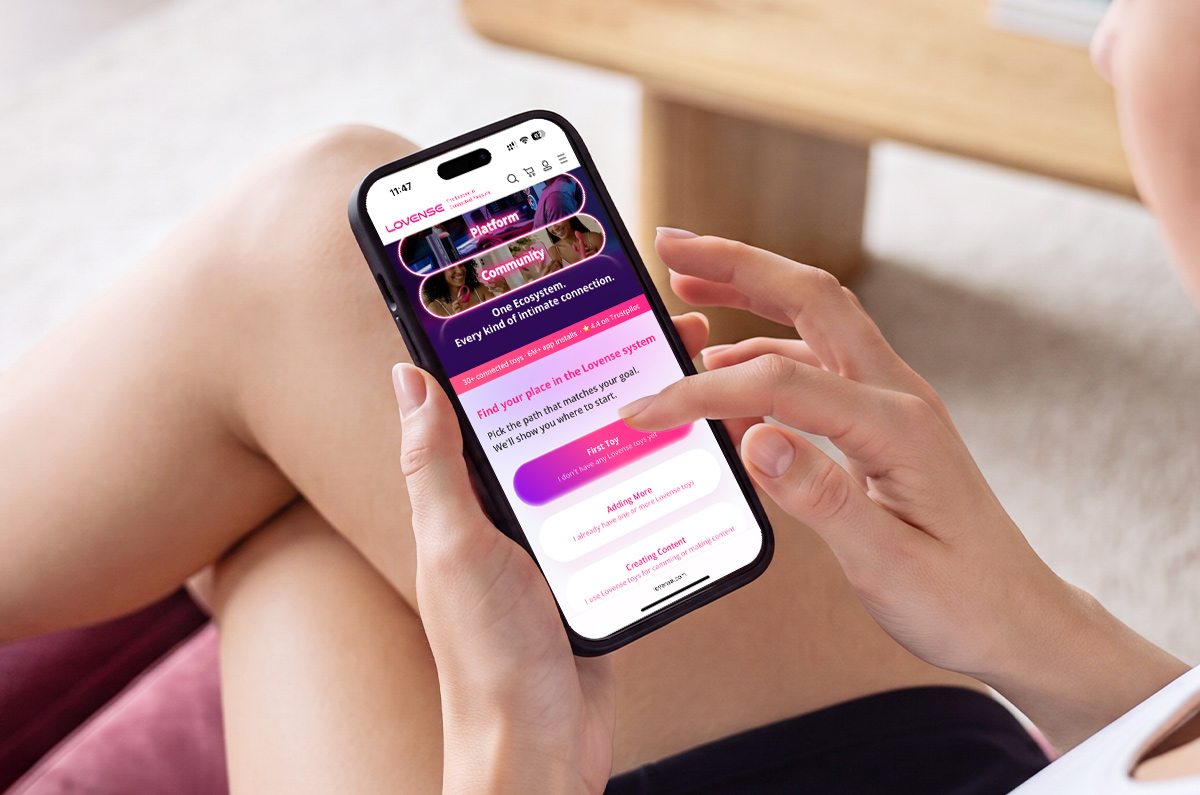
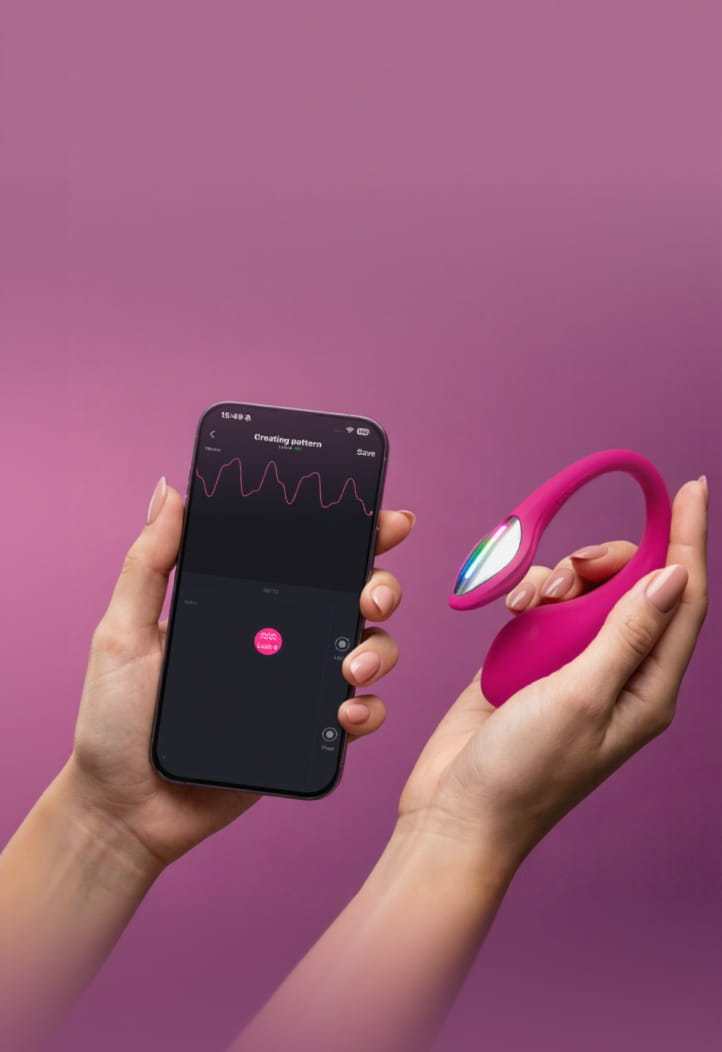
In modern adult relationships, some couples lean on app-controlled wearable toys to keep physical touch responsive and exciting even when you’re apart or schedules clash. These discreet, hands-free options let one partner control vibrations remotely via phone—turning a quick text into a shared moment of closeness.
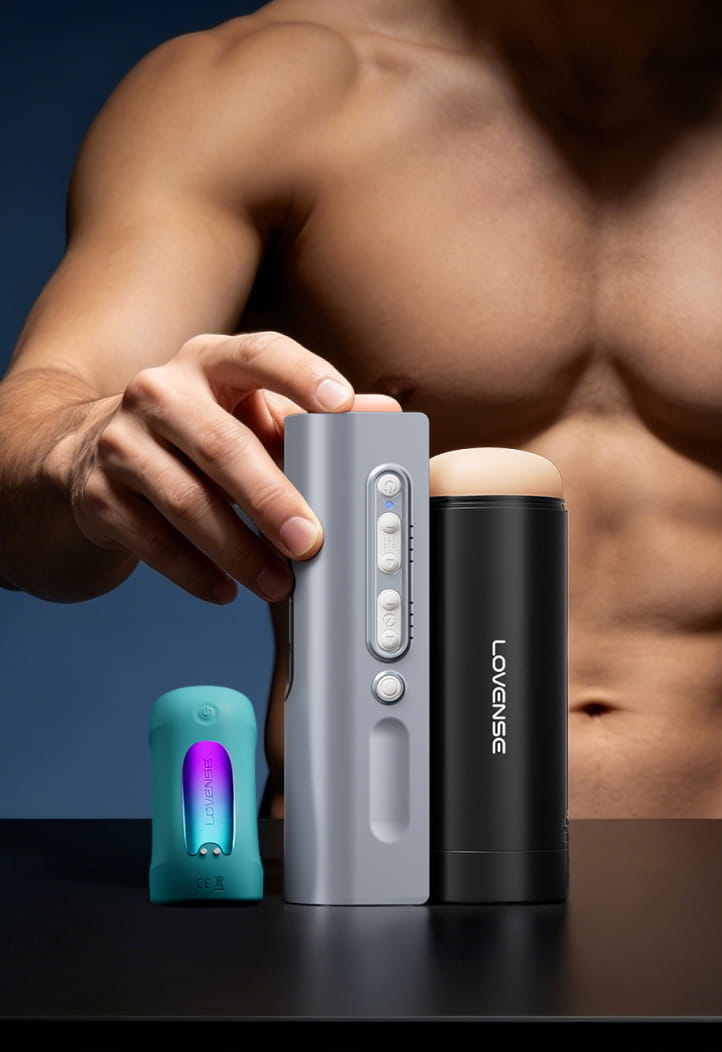
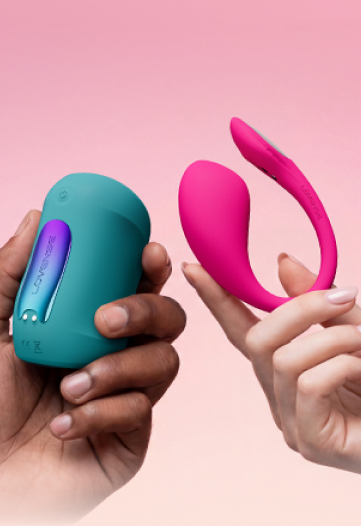
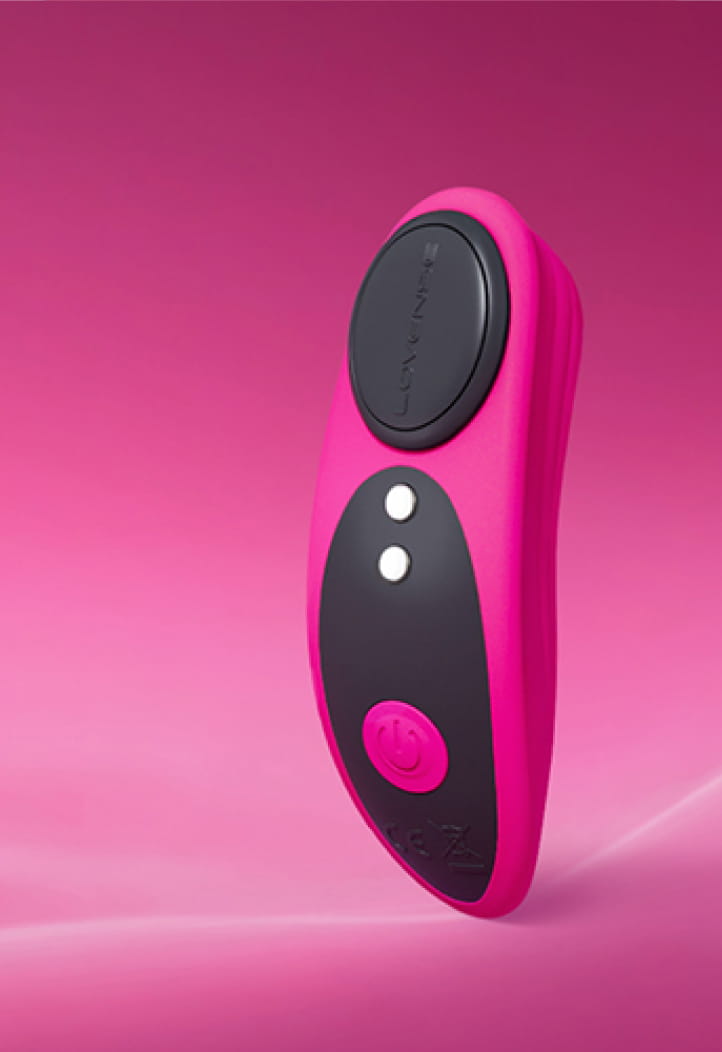
Popular examples include: wearable G-spot vibrators like Lovense Lush 4 (which stays in place during daily wear) or panty-style clit vibrators like Ferri (magnetic hold for subtle public or private play), and for guys, oscillating penis massagers like Gush 2 (hands-free frenulum focus for edging or stamina building).
The appeal isn’t the gadget itself—it’s how it extends physical touch across distance, lets you stay attuned to your partner’s arousal in real time, and adds playfulness without needing full in-person sessions every time. When used thoughtfully (with clear consent and communication), these can bridge gaps in libido, travel, or stress, reinforcing that “I’m thinking of your body right now” feeling that physical touch craves.
Final Thoughts on Love Languages
Love languages stick around because they put words to stuff that usually goes unsaid, bringing some clarity to the confusion adults feel in relationships. In long-term ones especially, that starting point is still handy But what really keeps things going isn’t one main style or perfect sync. It’s responsiveness—seeing, validating, adjusting—and steady effort across different ways of caring, all shaped by adult life.
The best partnerships aren’t about speaking the same language flawlessly. They’re about staying curious, flexible, and willing to show care in whatever form fits now. When both keep asking, listening, and adapting together, love doesn’t just hang on—it gets stronger.
Want More Reads?
- Lovense Lover Set Review 2026: Sex Tech & Old School Sensory Play
- Missionary Position: Why It Deserves More Love and What You’re Missing
- Celebrate Self-Love: Tips for an Intimate Valentine’s Day Journey