
“How often do women masturbate?” is a question that gets asked a lot, but the answer is rarely a single, tidy number. Because sexual habits are influenced by everything from your age and culture to your relationship status, the data can look pretty different depending on who you ask.
Rather than chasing one “perfect” average, this article breaks down what the research tells us. We’ll look at the latest frequency stats, how life stages like menopause shift the routine, and why solo sex usually complements a relationship rather than replacing it. Here is the reality behind the numbers—and why they vary so much from one study to the next.
How Common Is Female Masturbation? (Lifetime Prevalence)
Large-scale surveys generally place lifetime prevalence between 60% and 85%. For example, the U.S. National Survey of Sexual Health and Behavior (NSSHB) found that between 66% and 85% of women under 60 have masturbated at least once. In Europe, studies out of Germany and Portugal show even higher numbers, with some samples hitting 90% or more.
While younger women report higher lifetime rates—likely thanks to better sex education and less social stigma—the data doesn’t drop off a cliff with age. Even into their 60s and 70s, a huge majority of women report it as part of their personal history, even if they do it less often than they used to.
If anything, these numbers are still likely low. Researchers at the Kinsey Institute and similar organizations often point out that “reporting bias” is a major factor; because of the lingering stigma around female sexuality, many women (especially in older generations or more conservative cultures) simply won’t admit to it on a survey.
Monthly, Weekly, Annual Data on How Often

The “past month” is the gold standard for researchers. In the U.S., the numbers are remarkably consistent. A 2022 nationally representative survey found that 36.5% of women had masturbated in the last month—a figure backed up by Natural Cycles, which reported about 37% using 2021 data.
However, location matters. A 2022 Norwegian study showed a much higher rate, with 66% of women reporting past-month activity. In that sample, the “sweet spot” for most women was 2 to 3 times per month. But age is a major factor here; once women hit 70, more than half reported no activity in the previous month.
The numbers take a dip when you look at weekly habits. In the U.S., only about 9% of women masturbate at least once a week, compared to roughly 36% of men. Again, the Norwegian data shows a more active baseline, but even there, men were significantly more likely to be in the “multiple times per week” category.
If you’re looking for an annual average, you won’t find one “official” number in the journals. Instead, we have to do the math based on monthly reports:
- 24–36 times per year: The average for women in the Norwegian study.
- 61 times per year: The average found in a 2024 study of young women in Turkey, though the researchers noted this specific group was more active than the general population.
So, why the gap between 37% in one study and 66% in another? It usually isn’t because women are changing their habits; it’s about how the question is asked. Whether a survey is done online or in person, how “masturbation” is defined, and the local cultural stigma all shift the needle.
Rather than looking for one “perfect” number, it’s better to view these stats as a range that reflects a diverse reality.
How Masturbation Frequency Varies by Age and Life Stage

Frequency isn’t a flat line; it’s a moving target influenced by hormones, health, and life’s general chaos.
Data from a massive study (ages 18–89) shows a steady shift in how often women masturbate as the decades pass. For women under 30, only about 22% said they hadn’t masturbated in the past month. That “none” category grows as women age:
- 30s: 34%
- 40s: 46%
- 50s: 54%
- 70+: 59%
Interestingly, the “high frequency” group (2–3 times a week) actually peaks in the 30s at nearly 20%, before tapering off. Doing it 4+ times a week is rare across the board, but it’s most common in the under-30 crowd.
Midlife adds another layer of complexity because of menopause. A 2025 U.S. study focused on women aged 40–65 found that perimenopausal women were actually the most likely to have masturbated in the last year (73%), compared to 66.5% of premenopausal and 56% of postmenopausal women. While postmenopausal women do it less often, they still report a steady baseline of about once a month.
If we look at the long game, a 2025 longitudinal study suggests that frequency actually tends to increase from age 19 into the early 30s before a gradual decline begins. This suggests that for many women, the “peak” isn’t in their reckless youth, but in their early 30s when they’ve likely become more comfortable with their bodies.
The Relationship Myth: Why Partners Don’t Replace Solo Sex

Relationships don’t just change why women masturbate; they change the logistics—privacy, free time, and daily routine all play a part.
For women, solo sex isn’t usually a “replacement” for a partner. A 2025 study on sexual trends found that masturbation is actually complementary. Instead of doing it because they aren’t having partnered sex, women tend to masturbate more when their overall sexual lives are more active.
Data from a 2022 U.S. survey backs this up: women who had sex with a partner more frequently were also the ones most likely to masturbate. For many, a higher drive applies to everything; solo sex and partnered sex simply live in the same ecosystem.
When you look at married or cohabiting women, the numbers often shift—but it’s usually about logistics, not lack of desire. Living with a partner or parenting a child makes “alone time” a rare commodity. Researchers noting trends from 2025 point out that things like a lack of privacy or lingering generational stigmas have a bigger impact on these numbers than the relationship itself.
It’s also worth looking at mutual masturbation. A 2023 study highlighted that for many couples, masturbating together isn’t a “backup plan”—it’s a core part of their sexual repertoire that correlates with higher sexual self-esteem and satisfaction.
As for the “gender gap” in frequency, it still exists in 2026. Men generally report higher numbers, but researchers attribute this less to biological “need” and more to the sexual double standards women still face. While men often use masturbation to compensate for a lack of partnered sex, for women, it remains a way to enhance an already active sex life.
What Actually Drives the Numbers?

If the stats tell us what is happening, the “why” is more about the biological and cultural baggage women carry. Frequency isn’t just a choice; it’s a moving target influenced by several key factors:
- The Hormonal Baseline: Libido isn’t a flat line. Between menstrual cycles, pregnancy, and menopause, desire is constantly recalibrating. For many, solo sex is a way to navigate these shifts when they don’t sync up with a partner.
- The Stress Paradox: Stress acts as a “brake” for some, but for others, masturbation is a functional tool. It’s often used as a quick hit of cortisol-lowering chemistry to help with sleep or anxiety.
- Medication Side Effects: This is the big “hidden” variable. SSRIs (antidepressants) and certain hormonal birth controls are notorious for dampening libido or making orgasm harder to reach, which naturally drags down frequency numbers.
- Responsive vs. Spontaneous Desire: Unlike the “physical urge” often reported by men, many women experience responsive desire. They might not start out “horny,” but they choose to masturbate for the purpose of relaxation or self-care, and the desire follows.
- Mental Health & Body Image: Anxiety or a negative self-image can make any sexual activity feel like a chore. Conversely, women who feel more connected to their bodies tend to explore solo sex more often.
The Mechanics: Beyond the Basics
The data consistently shows that for most women, clitoral stimulation is the primary driver. According to a landmark study on The Anatomy of Orgasm, only about 18% of women report reaching orgasm through intercourse alone, which explains why the vast majority prioritize clitoral focus during solo sex.
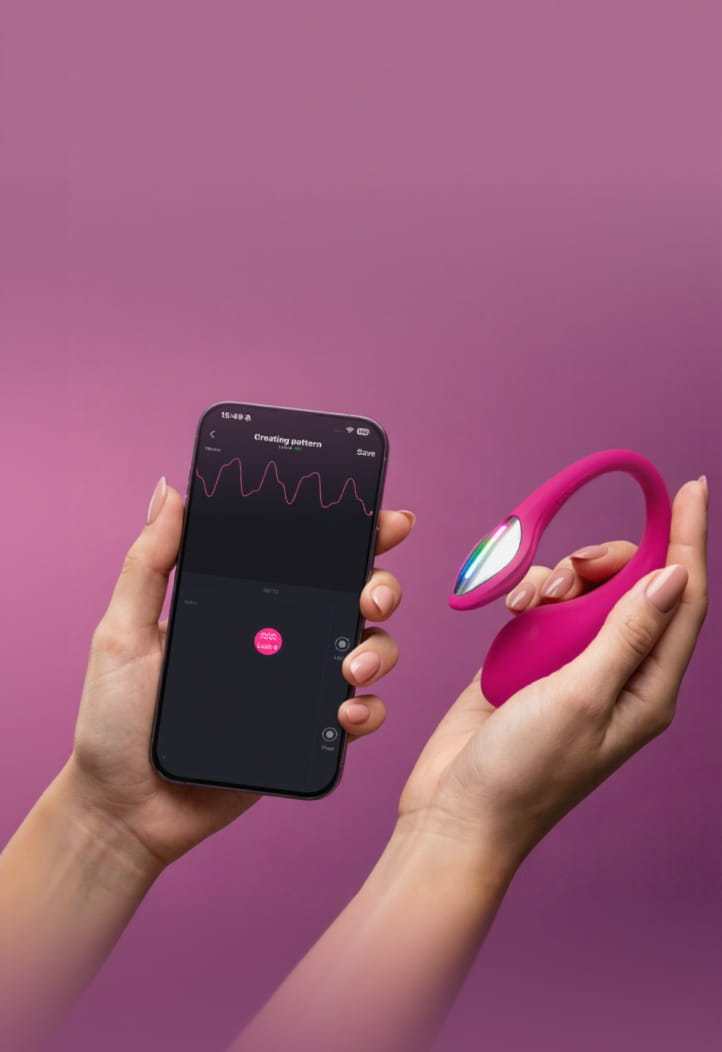
Sex toys have also moved from the “novelty” category into the mainstream. Recent surveys show a massive uptick in vibrator usage, with many women reporting they use toys not as a replacement for a partner, but as a way to ensure more consistent and reliable pleasure.
The Connection to Orgasm & Satisfaction
There is a direct “practice effect” when it comes to solo sex. Research suggests that women who masturbate—especially those who started in adolescence—often report higher sexual self-esteem and more confidence in their adult relationships.
The “Orgasm Gap” in partnered sex also shrinks for women who masturbate. By learning their own “sexual map,” women are better able to communicate their needs to partners. Far from being a sign of a struggling relationship, studies often find that women who masturbate report higher levels of satisfaction in their marriages or long-term partnerships.
Common Questions About Female Masturbation

It’s rarely just a physical “itch.” Most women use it as a functional tool for stress relief, better sleep, or a rare moment of privacy. For many, it’s a form of body-focused meditation to reconnect after a long day of work or caregiving.
In a word: No. “Normal” ranges from multiple times a week to once a year. Your pace will naturally ebb and flow based on your stress, relationship status, and life stage. The only “right” amount is the one that feels good to you.
The “drain the battery” theory is a myth. For women, solo sex is complementary. Keeping your sexual response system “warmed up” through solo play often makes it easier to transition into partnered sex rather than replacing it.
You can’t “break” your ability to feel pleasure. While high-intensity vibrators can cause temporary numbness, it usually resets within hours. Frequency only becomes a concern if it’s compulsive—meaning it’s causing physical injury or you’re doing it to avoid life responsibilities.
According to the Cleveland Clinic, it’s only a problem if it stops being a choice. If it’s interfering with your job or relationships, or if it’s a way to numb out from trauma, a sexual health therapist can help. For most, it’s just a low-stakes part of a wellness routine.
Closing Thought on Female Masturbation
Statistics can provide context, but they aren’t a rulebook for your body. Whether you masturbate daily or once a year, the only “normal” that matters is what feels right for you. Your body is a space for exploration without the pressure to perform or meet a specific quota.
You deserve pleasure because your satisfaction is inherently worth the time—not because a study says so. Don’t let percentages define your routine; let your own curiosity lead the way.
References
- U.S. nationally representative (masturbation prevalence/frequency, reasons, partnered-sex overlap; includes women vs men comparisons): https://pmc.ncbi.nlm.nih.gov/articles/PMC9794105/
- Sexual satisfaction vs masturbation frequency (U.S. sample; useful for “what it correlates with” sections): https://pmc.ncbi.nlm.nih.gov/articles/PMC9255456/
- U.K. population trends (Natsal; open-access PDF of the Journal of Sex Research paper): https://eprints.gla.ac.uk/363713/2/363713.pdf
- Longitudinal trajectories across adulthood (PubMed record for the population-based longitudinal study): https://pubmed.ncbi.nlm.nih.gov/40298909/
- Women in western Turkey (cross-sectional; provides a concrete “times per month” estimate for that sample): https://academic.oup.com/jsm/article-abstract/21/8/676/7688823
- Allo Health “married women” article (secondary summary; treat stats inside as claims to verify back to primary): https://allohealth.com/blog/sexual-education/masturbation/how-often-do-married-women-masturbate
- Natural Cycles overview (consumer health summary + citations list): https://www.naturalcycles.com/cyclematters/how-often-do-women-masturbate
- Flo overview (consumer health summary; includes the “49/year” claim attributed to a commissioned survey): https://flo.health/menstrual-cycle/sex/masturbation/how-often-do-women-masturbate
- Healthline overview (consumer health summary; broad frequency stats): https://www.healthline.com/health/healthy-sex/how-often-do-women-masturbate
- PureWow reader survey: https://www.purewow.com/wellness/masturbation-survey